

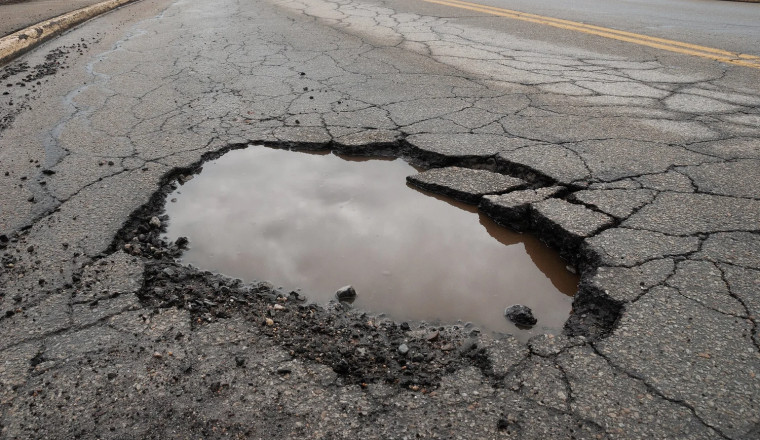

Pothole compensation claims submitted to 177 local authorities jumped 91 percent in just three years, soaring from 27,731 in 2021 to 53,015 in 2024, RAC research reveals. That's not a marginal increase. That's drivers across England, Scotland, and Wales deciding en masse that their suspension damage, blown tires, and buckled wheels deserve compensation from the councils whose roads caused it.
Derbyshire County Council saw the biggest increase, from 224 claims in 2021 to 3,307 in 2024. That's a 1,376 percent jump. Glasgow City Council came second, claims more than doubling from 1,140 to 2,794, with Oxfordshire third, jumping from 488 to 1,941. These aren't isolated problem areas. This is systemic failure across the entire road network.
Your Odds of Winning? Worse Than the Lottery
Although the data indicates a substantial increase in claims over three years, 173 councils settled only 26 percent in 2024, paying 13,832 of the 53,015 submitted. Three quarters of claims rejected outright. Around 40,000 requests for reimbursement turned down in 2024 alone. Submit your claim, provide photos, document the damage, fill out forms, wait months, then receive a rejection letter explaining the council wasn't legally liable because they didn't know about that specific pothole yet.
Of the 177 councils that shared data for 2024, 97 percent refused more than 90 percent of the claims they received. Gloucestershire, Worcestershire, Medway, Carmarthenshire, and Telford all turned down 99 percent of claims received, equating to 534, 146, 142, 113, and 76 requests refused. Rejecting 99 percent of claims isn't enforcement of standards. It's policy designed to discourage attempts.
Bridgend was the only council to pay 100 percent of claims last year, at 52 claims total. One council. Fifty two people. Everyone else gets form letters and the privilege of paying £590 out of pocket to fix damage that shouldn't have happened in the first place.
The Math Is Brutal
The RAC estimates councils paid £3,564,824 in 2024, at an average of £390 per claim. But this is less than the £590 average repair bill drivers of family cars can expect if their vehicle suffers any damage more serious than a puncture after hitting a pothole. You get lucky enough to have your claim approved and you're still £200 short of the actual repair cost. The system is designed to under compensate even when it bothers compensating at all.
Merton Borough Council paid the highest average sum per claim at £2,267 for each of the five claims it paid. Five claims. Total payout £11,335. Meanwhile Derbyshire paid the highest total compensation, estimated at £605,235 based on an average of £257 for each of the 2,355 claims it paid. Pay attention to those numbers. Derbyshire received 3,307 claims and paid 2,355. That's 71 percent approval, making it an extreme outlier in actually compensating drivers.
Earlier this year, almost four in ten drivers surveyed by the RAC said they'd struggle to pay an unexpected repair bill of up to £500, less than the cost of repairing a vehicle due to pothole damage. You can't afford the repair. The council won't pay. The pothole remains unfilled. Nothing improves.
The Scale Beggars Belief
Glasgow City received 2,794 claims last year, more than double the size of its 1,203 mile network. Two claims per mile of road. Four local authorities, Staffordshire, Derbyshire, Edinburgh, and Bury Metropolitan, received the equivalent of one pothole claim for every single mile of their road network. That's not isolated damage. That's comprehensive infrastructure failure.
Common vehicle problems caused by potholes include damaged shock absorbers, broken suspension springs, and distorted wheels. Hit one hard enough and you're looking at alignment issues, tire sidewall damage, and steering problems. Miss one pothole and hit three more before you reach your destination because they're everywhere.
The Government Response: Money Later, Maybe
A Department for Transport spokeswoman said we're investing £7.3 billion over the next four years to help councils resurface roads and fix the pothole plague, giving them certainty to plan ahead and deliver safer, smoother journeys. Seven billion spread across four years, divided among hundreds of councils maintaining hundreds of thousands of miles of roads. Highways authorities in England were this year given a record £1.6 billion by the Government for road maintenance. Sounds substantial until you realize the backlog.
Simon Williams, RAC head of policy, said the massive three year rise in pothole compensation claims made by drivers shows what a huge task it is returning the roads to a respectable standard. A respectable standard. Not good. Not excellent. Respectable. The bar has fallen so low that avoiding vehicle damage on routine journeys now qualifies as aspirational.
Councils Claim Progress
Derbyshire County Council said the rate of compensation claims it received since May 2025 decreased by 72 percent. Either they fixed the roads dramatically or drivers gave up submitting claims after watching 99 percent get rejected. Oxfordshire County Council said since April 2024 it invested nearly £14.5 million in the largest surface dressing programmes we have carried out for at least 20 years. Surface dressing is preservation treatment aimed at preventing potholes from forming. Prevention works better than reaction, assuming you start before everything's already destroyed.
Medway Council said it rejects claims when it is considered that a court would not award compensation. Translation: we reject everything unless legally cornered. That's not compensation policy. That's liability avoidance disguised as process.
The Reality
British roads are disintegrating faster than councils can repair them. Decades of underinvestment created conditions where hitting a pothole and damaging your vehicle is routine rather than exceptional. Submit a compensation claim and you've got a one in four chance of approval, assuming your council isn't one of the many rejecting 99 percent automatically. Get approved and you'll receive less than the repair costs anyway.
Drivers are still suffering the consequences of years of neglect to Britain's local road network. The £7.3 billion promised over four years might eventually shift the needle. Maybe. Eventually. Meanwhile you're dodging craters on the school run, budgeting for suspension replacements, and discovering the council that collected your road tax for decades takes no responsibility when their roads destroy your property.
The claims surge by 91 percent in three years. The rejections remain at 90 percent. And somewhere in Derbyshire, someone just hit another pothole, felt something expensive break underneath their car, and wondered if submitting a claim is worth the inevitable rejection letter they'll receive in six months. Welcome to British roads. Mind the holes.