

San Francisco switched on its first automated speed cameras in March 2025, pitching the programme as a sensible response to years of declining traffic enforcement. The San Francisco Police Department had cut its traffic division to near-nothing over the preceding decade, with officer-issued citations collapsing by 95 percent between 2014 and 2022. The cameras were described by city officials as a way to fill a public safety gap, a light tap on the shoulder for drivers in a city where 2024 had been the deadliest year on the roads since 2007, with 42 fatalities.
The results were not a gentle nudge.
According to city data obtained by the San Francisco Chronicle, total traffic citations in San Francisco jumped from around 26,000 in 2024 to approximately 122,000 in 2025, a 369 percent increase. Speed cameras alone accounted for 91,000 of those citations in just five months of operation. For comparison, the San Francisco Police Department issues roughly 20,000 traffic tickets across an entire year. Red-light cameras generate around 10,000 annually. The automated speed cameras did not supplement existing enforcement. They dwarfed it by a factor of four.
How the Programme Works
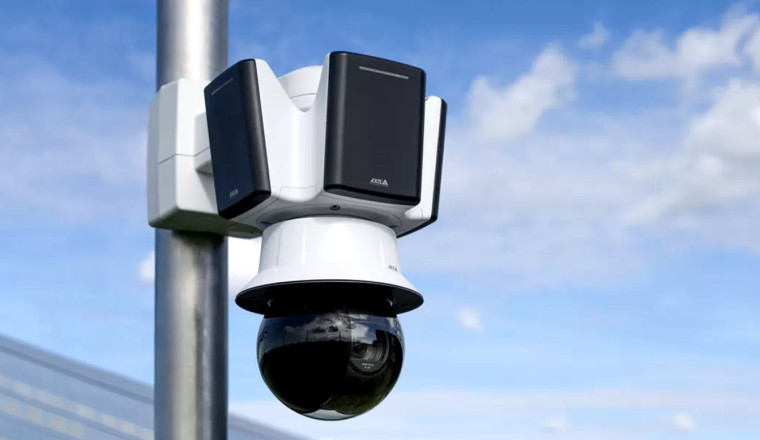
San Francisco's scheme was enabled by AB 645, a California state law authorising six cities to run five-year automated speed enforcement pilots. San Francisco was the first to act, becoming the first city in California to operate speed cameras at all. The SFMTA installed 56 cameras across 33 locations, positioned at roads and intersections with documented histories of speeding, collisions, or proximity to school zones and commercial corridors.
Cameras went live in March 2025 on a warning-only basis. By June, all 56 were operational. The 60-day warning period ended on 5 August 2025, when live fines began. In August alone, the cameras issued 16,555 citations, each processed through a series of human reviews before being mailed to registered owners. At that rate, the cameras were generating more than 600 tickets per day.
Fines are structured by how far over the speed limit the driver was travelling. An 11 to 15mph breach carries a $50 fine. Driving more than 25mph over the limit attracts $200. Anyone caught exceeding 100mph faces a $500 penalty. Reduced amounts are available for low-income residents and those receiving public benefits. Citations from speed cameras do not appear on a driver's licence record, a limitation that Supervisor Rafael Mandelman acknowledged when noting that automated systems cannot fully replace officers on the street.
Revenue from citations covers programme operating costs first. Any surplus goes toward traffic calming measures across the city. If that is insufficient, remaining funds are directed to California's Active Transportation Program. Fines do not flow directly into the city's general fund, a distinction city officials made early and often.
What the Cameras Actually Did to Speeding
The enforcement numbers are eye-catching. The safety data is more complicated, and more contested.
SFMTA counted speeding vehicles at 15 camera locations before and after installation. The results were significant. At Fulton Street near Golden Gate Park, daily speeding violations fell from an average of 1,000 to around 500 after cameras were installed. Across all monitored locations, incidents of speeding declined by 31 percent within seven weeks of full system activation. At Geneva Avenue, the proportion of drivers exceeding the speed limit by more than 10mph fell from 31 percent to 3 percent. At Alemany Boulevard, it dropped from 26 percent to 5 percent. GrowSF, a San Francisco civic group that reviewed the data independently, reported an average 82 percent reduction in dangerous speeding across monitored intersections.
On road deaths, the trajectory was also positive. In the same period of 2024, 24 people had died on San Francisco streets. Through August 2025, that figure was 18, a 25 percent reduction. Whether the cameras caused that improvement or whether it reflects a combination of factors is not established, and SFMTA has been careful not to claim direct causation. An 18-month formal evaluation is scheduled for September 2026.
The deterrent effect appears real but geographically concentrated. Two thirds of drivers caught by cameras did not reoffend. But navigation apps have already created workarounds: drivers across the city are tagging camera locations and slowing only in known enforcement zones. Speeding continues at its previous rate on roads without cameras, which in San Francisco is most roads.
Like this? Get more MotorBuzz delivered to your phone. Download the app: iOS | Android
The Cash Grab Question
August's first month of live fines generated more than $1.2 million if all citations were paid in full. Whether people paid them in full is not public. What is public is that critics immediately raised the same question that has followed every automated camera rollout in every city that has tried one: is this about safety, or is this about money?
The numbers make the question understandable. A programme pitched to the public as a response to a staffing shortage generated more than four times the total citation volume of the entire police traffic division in its first operational period. That does not mean the safety case is false. A 25 percent reduction in road deaths and an 82 percent reduction in speeding at monitored intersections are not trivial outcomes. But the volume of citations, the revenue generated, and the absence of any pre-announced limit on programme expansion are exactly the conditions that erode public trust in camera enforcement wherever it operates.
Supervisor Mandelman's candid observation that camera citations not appearing on licence records is a limitation is worth sitting with. A system that issues four times as many tickets as the police, but whose tickets carry no licence consequences, produces a financial penalty without the deterrent architecture that gives licence-based enforcement its teeth. Habitual speeders who can afford the fines can simply absorb them as a cost of driving fast in San Francisco.
The Bigger Picture
San Francisco is the template. Oakland, San Jose, Glendale and Los Angeles are all at various stages of their own camera rollouts under the same AB 645 pilot programme. Los Angeles, where speeding contributes to hundreds of serious injuries and deaths annually, is still in procurement and not expected to go live until the end of 2026 at the earliest. San Francisco's numbers, both the safety reductions and the citation volumes, are what every other California city's programme will be measured against when their cameras go live.
MotorBuzz has tracked the global pattern of automated camera enforcement across the UK, Australia, New Zealand and the United States, and the San Francisco data fits the established template precisely. Cameras reduce speeding at the locations where they operate. The reduction in deaths and serious injuries is real but unevenly distributed. The citation volumes alarm residents and generate accusations of revenue generation regardless of where the money actually goes. And the political challenge of maintaining public support for programmes that demonstrably improve safety outcomes, while the ticket numbers accumulate, is one that no city has yet solved cleanly.
San Francisco's five-year pilot runs until March 2030. The 18-month evaluation in September 2026 will be the first formal accounting of whether the outcomes match the promise. By that point, the cameras will have issued somewhere in the region of 250,000 to 300,000 citations. The question that evaluation will need to answer is not whether speeding fell at monitored intersections. The data already shows that it did. The question is whether that is enough, and whether the city that now issues more speed camera tickets in a month than its police department issues in a year has found the right balance between enforcement and trust.
Sources: San Francisco Chronicle, KQED, SF Standard, Local News Matters, Carscoops, Streetsblog California, SFMTA official data. All citation figures from SFMTA data via SF Chronicle. All analysis and editorial commentary is original.