
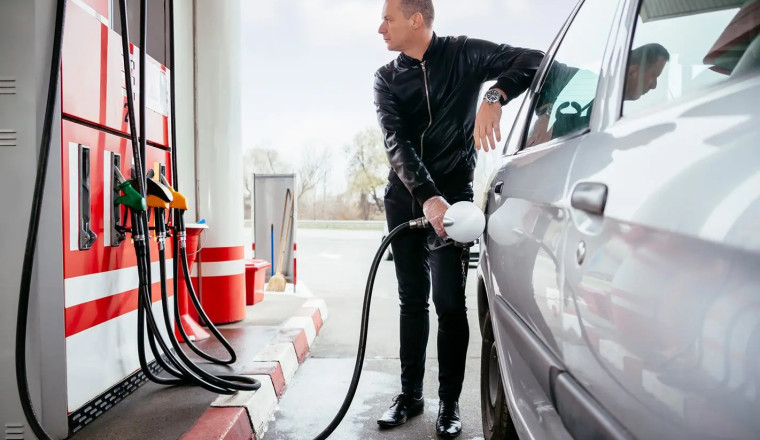

The gas pump automatically clicks off when your tank reaches the recommended level, and that click is not a suggestion. Modern vehicles use an evaporative emissions control system with a charcoal canister or carbon filter designed to handle vapor only. When you overfill the tank, liquid fuel can enter this canister, affecting performance and potentially damaging the engine. The repair bill for a saturated charcoal canister runs around $800, far exceeding any marginal benefit from the extra fuel you managed to cram in.
The evaporative emissions control system prevents harmful gasoline vapors from escaping into the atmosphere. Once the charcoal canister becomes saturated in liquid fuel, its capacity to capture and burn vapors can be reduced or ruined completely. Saturated filters make your vehicle emit more hazardous emissions, impact engine performance, reduce fuel economy, and may trigger a check engine light or costly repair. The system wasn't designed for this. You're forcing liquid through components built to handle gas.
Temperature makes the problem worse. Gasoline expands in volume by about one percent for every 15 degrees Fahrenheit. A day's temperature range varying by 30 degrees means 15 gallons of gas will expand by more than a quart. If the tank is overfilled, that expansion could push gas into the charcoal canister's feed line or force a leak, which is a major safety issue. Park an overfilled car in the sun and the fuel expands with nowhere to go except into systems that shouldn't contain it.
The damage cascades through multiple components. Fuel entering the system can damage the charcoal canister, and mechanics report it's difficult to diagnose once it fails. The purge valve, which releases vapors into the engine, can malfunction when the canister is compromised. An overfilled tank can lead to issues starting and accelerating, poor fuel efficiency, problems with the emissions system, damaged solenoids preventing the car from starting, and purge valve failure causing rough idling. What began as an attempt to squeeze an extra mile or two from a tank ends with multiple systems failing progressively.
Many gas pump nozzles have an automatic shutoff to prevent overfilling, but drivers can bypass this and add more fuel to the point where they're filling the filler neck. This can result in fuel overflowing when going around corners, and depending on where the tank is located, fuel can spill onto the hot exhaust and cause a fire, especially with gasoline. The shutoff exists to protect you, the car, the gas station, and the environment. Overriding it accomplishes nothing except creating problems.
While accidentally overfilling once or occasionally shouldn't cause noticeable damage, habitually doing so can lead to vehicle components being soaked in fuel. Over time, you may notice difficulty starting, lingering gas odors, and reduction in fuel efficiency. The effects accumulate. Every time you ignore the click and keep pumping, you're adding liquid to a vapor system, and eventually something breaks.
Spilled gasoline can pollute soil and water sources, cause air pollution, and gas fumes can ignite when exposed to heat or sparks. The environmental cost matters, but the immediate concern is simpler. Gasoline is an irritant that can harm skin and damage the finish and color of your car's paint over time. You're paying for fuel that either drips down the side of your car or gets forced into a system that will cost hundreds to repair. There's no upside here.
The pump clicks. You stop. That's the entire system working as designed. Everything else is expensive theater that achieves nothing except making mechanics wealthier and your car less reliable.