
While headlines suggest a crisis for electric vehicles (EVs)—from slumping supercar launches to questions on battery life—this only scratches the surface of a sector battling everything from technology backlash to environmental scrutiny, and from new-energy carriers like hydrogen to the uncertain promise of autonomy. Below is an expansive look at where personal and commercial vehicles are headed, based on the latest trends, expert outlooks, and market signals.
Are Electric Vehicles Stalling…or Transforming?
2025 finds EVs in a moment of contradiction. Mass-market launches such as the Tesla Model Y and Chevrolet Equinox EV are achieving record sales, while several supercar EV programmes have been delayed or quietly cancelled. Critics point to waning order books for luxury electrics and falling used market values, but these trends largely reflect distinct challenges in the supercar and premium end: ultra-wealthy buyers are reevaluating value and exclusivity, not the potential of electrification.
For the broader market, EV adoption rates continue to rise, especially for crossovers and family cars. Battery pack costs are sliding after a temporary spike, charging infrastructure is expanding rapidly across developed markets, and mainstream brands are increasing their EV range. Yet issues remain: city dwellers and early adopters have largely made the switch, while rural and used buyers face charging gaps, battery degradation worries, and sticker shock. Governments in Europe and Asia are pulling back incentives, and American buyers show increased skepticism—creating genuine headwinds for universal adoption.
The upshot: Electric vehicles are not dying, but evolving into the defining automotive category for the coming decades. The initial wave of innovation is giving way to an era that will reward durable batteries, accessible repair, and second-life integration—whether as grid storage, vehicle-to-home energy, or affordable used sales.
Lifespan and Costs: Will EVs Become Money Pits?
One of the dominant anxieties around EVs concerns longevity. Early real-world data shows most modern lithium batteries in mainstream EVs (2020–2025 vintage) are on track for 15 years or more of service under average ownership, usually retaining 70–80% or more of their initial capacity after 200,000km. Manufacturers are continually extending warranties, and battery replacement costs are expected to halve by 2030 thanks to improved chemistry and scale.
However, a few realities remain. Battery servicing is more specialized and expensive than old-school engines, and for vehicles past 10–15 years of hard use, a full replacement will remain a costly repair. Software support is another growing headache: as vehicles turn into moving computers, older models may face “orphaned” tech or subscription features disabled by manufacturers, prompting frustration among owners who prefer simplicity over connectivity.
For conscious consumers, the forward path is to choose brands and models with strong track records for software and battery longevity, and to pay attention to emerging standards on battery second-life or easy refurbishment.
Emerging Technologies: Hydrogen, Synthetic Fuels, and New Contenders
What about hydrogen and other technologies? Hydrogen fuel cell vehicles, once seen as a major alternative to battery EVs, remain largely stuck in the heavy truck and commercial sector due to cost and scarce fueling infrastructure. Most passenger car brands have quietly wound down or put on ice their fuel cell plans.
A surprise twist comes in the form of synthetic and “e-fuels,” seen as a lifeline for performance and vintage cars where banning combustion outright faces regulatory and enthusiast pushback. Porsche and others are pioneering renewable e-fuel blends that promise near-zero carbon operation from existing engines—potentially enabling millions of ICE vehicles to remain viable and legal long past proposed bans. Whether these fuels become affordable for the masses or remain a boutique, regulatory workaround is still unclear.
Meanwhile, hybrid technology remains the pragmatic default for regions or segments not ready for pure electric—especially as extended-range “serial hybrids” deliver EV-like urban performance with petrol backup for rural and long trips.
Driverless Cars, Drones, and the Backlash Against Tech
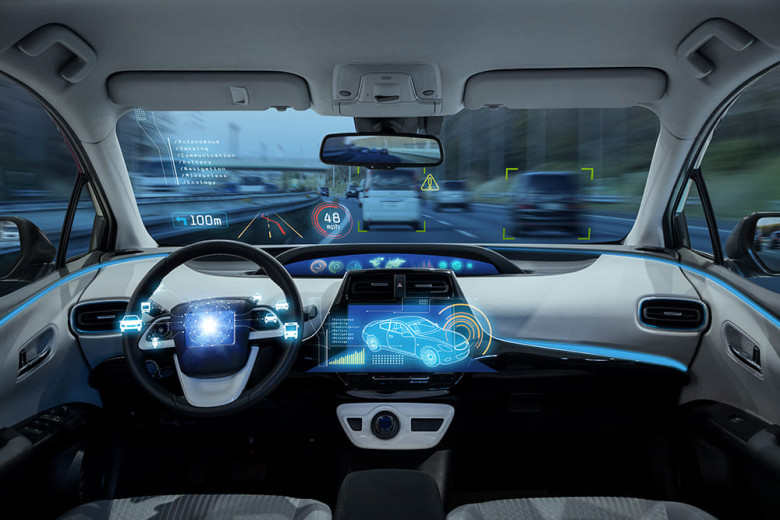
If EVs themselves spark debate, autonomous vehicles and software-laden dashboards represent the front lines of the tech backlash. While robo-taxis and “Level 4” driverless cars are running pilots in California, China, and the Middle East, experts now acknowledge that full autonomy everywhere remains a distant prospect. Legal, safety, and user acceptance hurdles are immense, especially outside of carefully mapped, geofenced city grids.
Consumer frustration is also boiling over at in-car tech overreach—touchscreen controls, mandatory subscriptions, and distractingly complex interfaces have provoked strong calls for a return to physical buttons and intuitive design. Some luxury brands are reintroducing tactile controls and “de-teching” options in direct response.
The next decade will see a recalibration: technology will increasingly be used to augment, not replace, the driver’s role, with more automakers prioritizing user-friendly, customizable in-car experiences that don’t force constant connectivity or remove essential control from the driver. Vehicle “decontenting” and analog option packages will remain a strong niche.
Drones, Air Mobility, and Future Utopias
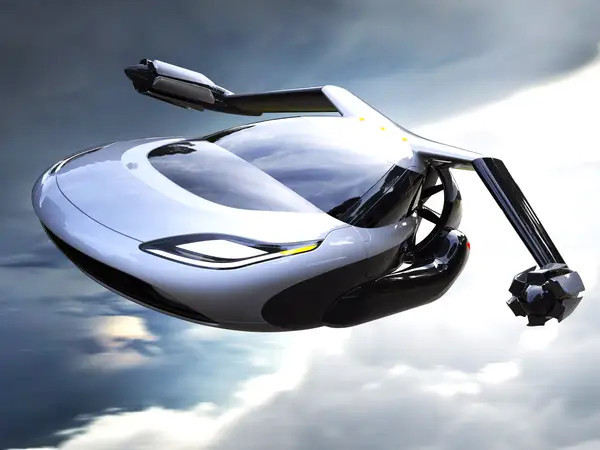
Much-hyped air taxis and drone vehicles will see their first real deployments before 2030—primarily as tightly regulated, on-demand transport services in mega-cities with acute congestion or private resort-style settings. Mass adoption remains far off, but the ecosystem is being seeded by both start-ups and giants. In practical terms, expect drones to reshape delivery and logistics first, with passenger applications following well behind.
The Path Forward: Diversification, Debate, and Consumer Choice
The next ten years will be marked not by a one-way path to a singular tech utopia, but by a tangle of solutions matching user needs: battery EVs in cities and suburbs; hybrids and alt-fuels for rural and specialist segments; analog and simplified cars for tech-wary buyers; and layers of autonomy available but not mandatory.
Society will settle into a “mixed mobility” landscape, where drivers can tailor their vehicles to values and usage patterns—rather than being forced into a one-size-fits-all technological regime. Environmental standards, digital rights, and automotive freedom will remain in tension, producing heated debate but, ultimately, a richer field of options for the motoring public.
As the dust settles, one thing is clear: The next decade will offer drivers more ways to engage with cars—new and old, simple and smart—than ever before. The revolution is real, but so is the growing demand for restraint and a human-centric approach to innovation.