

Drivers will have to follow an 11pm curfew for six months under new ‘R’ plate rules being introduced in one part of the UK.
Northern Ireland is set to become the first part of the UK to roll out a graduated driving licence scheme for young drivers.
Those aged under 24 will be given night time restrictions for the first six months of having a licence, which will include being limited to carrying only one passenger aged 14 to 20 between 11pm and 6am.
However, immediate family members will be exempt from the rule and it does not apply if a driver aged 21 or over with at least three years’ experience is sat in the front passenger seat.
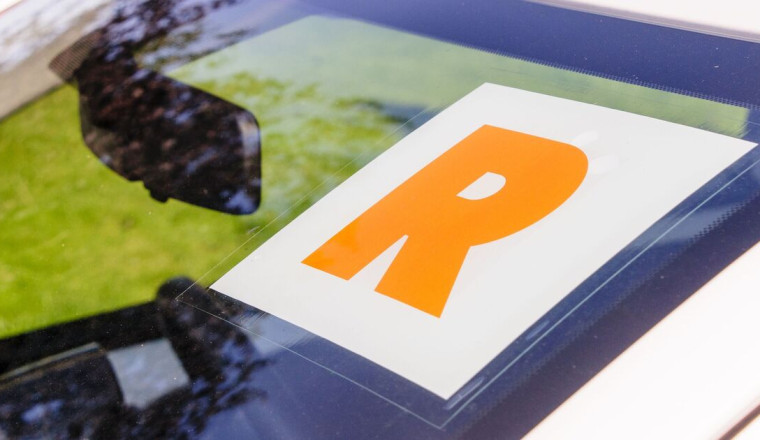
New drivers will also have to display an ‘R’ plate for two years from the date of passing, increased from the current one year. But learner drivers will be allowed onto motorways for the first time under the new rules.
In the rest of the UK, new drivers can display a ‘P’ plate to signal that they are a newly passed driver, but this is optional, not mandatory. In Northern Ireland, the ‘R’ plate equivalent is not optional.
The Association of British Insurers (ABI) has called on the rest of the UK to introduce more restrictions on young drivers, calling them 'a major danger on the road'.
However, so far the government has only announced plans to bring in stricter rules around eye tests for older drivers.
The ABI said in a page on its website: "The ABI has long campaigned for safer roads. We have consistently argued that unless radical reforms are made, the poor safety record of young drivers will continue. If the number of crashes involving young drivers decreases, the financial risk they pose to an insurer will decrease and insurance premiums for young drivers will follow.
"Research has shown that the presence of friends can both distract young drivers and encourage them to drive in a more risky way. Young drivers carrying two young passengers are twice as likely to be killed as those driving alone; and they are four times more likely to die if they have three young passengers."
It added: "The current UK licensing system allows a young person to drive unaccompanied and with no restrictions as soon as they pass their practical driving test unlike with a motorbike where they have graduated licensing. It is therefore unsurprising that many young people try to pass it in as little time as possible, many taking just a few months to learn the skills required to pass the test.
"The result is that inadequate emphasis is placed on the benefits of gaining road experience and, subsequently, young drivers can have little experience of driving in different road and traffic conditions. It is unsurprising that these drivers with the least experience subsequently go on to have the highest crash rates when fully licensed."
Infrastructure Minister Liz Kimmins said the new rules will take effect for Northern Ireland from October 1, 2026.
She told the RAC: “These changes are aimed at young drivers who are sadly most likely to be killed or seriously injured on our roads.
“In 2024, there were 164 casualties (killed or seriously injured) from collisions where a car driver aged 17-23 was responsible. This age group of drivers account for 24% of fatal or serious collisions despite holding just 8% of licences.
“Behind these figures are too many shattered lives as loved ones who set off on an everyday journey suffer life changing injuries or are never coming home to their family and friends.
“The introduction of GDL [Graduated Driver Licensing] plans to achieve this through a structured approach to learning to drive, including the completion of a Programme of Training and Logbook.
“This will better prepare drivers for both the driving test and initial post-test driving period by helping learners understand how human factors such as their attitude, personality, behaviour, and feelings affect their driving style.
“Road safety is a priority, and GDL will be a valuable tool to help me ensure everyone who uses our roads, does so safely.”