


By RAY MASSEY, MOTORING EDITOR
Getting hit with a hefty car maintenance or repair bill is never fun – but it is often a necessary stitch in time that can save nine, and might also save your life.
I've just paid out nearly £700 to keep my trusty, though admittedly ageing, SUV on the road.
Despite having the privilege of driving an array of brand-new vehicles for road tests, I have always owned a car of my own and paid for its servicing, repairs and tyres, while keeping a full service history.
So every time I fill up at the pumps or pay a garage bill I share the pain endured by readers.
However, the worsening economic climate is tempting many cash-strapped motorists to skimp on vital maintenance work.
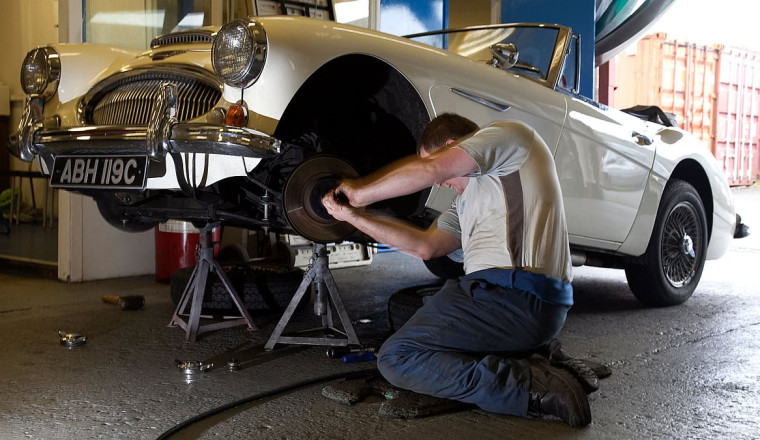
Classic car fix: A mechanic gets to grips with an Austin Healey
The Motor Ombudsman's annual poll of UK car garages and workshops reveals this week that nearly seven in ten (68 per cent) expect drivers to skip vital work on their cars as a quick way to save money – up from 61 per cent last year and 53 per cent in 2024.
But ignoring warning lights or delaying repairs, no matter how small, is a false economy and potentially dangerous – leading to more costly bills down the line, says the consumer champion (themotorombudsman.org). It is vital not to do the following:
With motorists now keeping their cars for an average of 9.5 years, the study also showed that four in ten (38 per cent) garages expect drivers to abandon their cars if repairs prove too expensive – up from 28 per cent in 2025.
Research from vehicle warranty provider Warranty Solutions Group (WSG; warrantysolutionsgroup.co.uk) reveals three in four motorists think running costs have soared over the past year – with nearly 40 per cent unable to cover a repair bill of between £400 and £500 without borrowing.
WSG group director Steph Newbery said: 'Routine repairs are being delayed and many people are now questioning whether they can afford to keep a car on the road.'
Rebecca Pullan, of The Motor Ombudsman-accredited Carmaster Garage added: 'Avoiding repair bills might feel like a tangible saving in the short-term, but it often proves a false economy.'