
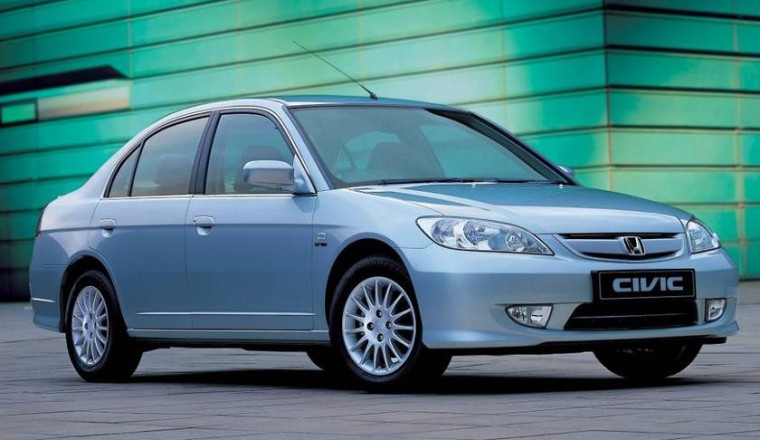

Mike Rodriguez thought he was doing Mrs. Chen a favor when he offered $3,000 for her late husband's 2003 Honda Accord sitting in her garage. The odometer read 12,847 miles. The car had never seen rain. Rodriguez, who runs a small shop in Sacramento, figured he'd flip it quickly for maybe $8,000. Six months later, he turned down an offer for $18,500 and decided to keep looking for the right buyer willing to pay even more.
Rodriguez isn't alone. Mechanics across the country have stumbled into an unexpected goldmine: ultra-low mileage Honda vehicles from the early 2000s that collectors and enthusiasts now treat like vintage wine. These "time capsule" cars, many discovered in estate sales or inherited by families who don't understand their value, have created a quiet but lucrative side business for shop owners with the patience to hunt and the space to store them.
The phenomenon centers on specific models from Honda's golden era between 1999 and 2006. A bone-stock 2000 Honda Civic Si with under 20,000 miles recently sold on Bring a Trailer for $31,000, according to auction records. That's $10,000 more than a comparable new Civic Si costs today. The math gets even stranger with certain Accord models, where a pristine 2003 V6 coupe with original everything can command $25,000 while a similar new Accord starts at $28,000 but lacks the simplicity and analog feel that buyers now crave.
The key word is "original." These aren't restored cars or modified show pieces. Buyers specifically want vehicles that have never been touched by aftermarket parts, body shops, or even aggressive detailing. Original paint, original tires if they're not dry rotted, original floor mats, even original air fresheners hanging from the rearview mirror. Tony Briggs, who operates a Honda-focused shop in Denver, keeps a 2005 Accord hybrid in his personal collection specifically because it still has the dealer-installed window tint and protective plastic on the door sills.
"The guys buying these aren't looking for perfect," Briggs explains. "They're looking for untouched. There's a difference." He describes customers who will pay a premium for stone chips and minor scratches rather than accept a car that's been repainted, even professionally. The patina of careful use matters more than cosmetic perfection.
Like this? Get the app: iOS | Android
The discovery process often happens by accident. Rodriguez found his Accord through a routine service call. An elderly customer mentioned her husband's car sitting unused in the garage, and Rodriguez offered to take a look out of curiosity. Other mechanics report similar stories: estate executors looking to clear out garages, adult children inheriting vehicles they don't want, or seniors downsizing who view their pristine Honda as just an old car taking up space.
The storage and patience required means this isn't a business for everyone. Rodriguez currently has four low-mileage Hondas taking up valuable shop space, each representing thousands of dollars in tied-up capital while he waits for the right buyer. He's learned that rushing the sale means leaving money on the table. The buyers willing to pay top dollar for these time capsules often take months to find the exact combination of model, color, and mileage they want.
Market dynamics favor the sellers because supply can't be manufactured. Unlike classic muscle cars where restoration can create "new" examples, these Honda time capsules can't be recreated. Once a car hits 50,000 miles or gets modified, it exits this premium tier permanently. The window of opportunity is closing as remaining low-mileage examples get discovered and either sold to collectors or inevitably accumulate more miles through regular use.
Some mechanics have formalized the process. Honda Classics in Ohio specifically advertises their time capsule hunting services, offering to evaluate inherited vehicles and handle the entire sales process for a commission. They report that families often have no idea what they're sitting on, sometimes pricing genuinely rare, low-mileage vehicles at standard used car values.
The trend reflects broader changes in automotive enthusiasm, where younger collectors bypass traditional American muscle cars in favor of the Japanese imports they grew up admiring. These buyers, now in their 30s and 40s with disposable income, want the cars they couldn't afford when new. They're willing to pay premium prices for vehicles that represent their teenage dream cars, preserved exactly as they appeared in early 2000s car magazines.
Rodriguez recently broke his own rule about patience when a collector offered $22,000 for his 2003 Accord. The buyer drove from Portland specifically to see the car and paid cash on the spot after confirming the original Michelin tires were still mounted and the dealer documentation was complete. Rodriguez made more profit on that single vehicle than his shop typically generates in two months of regular repair work. He's already planning his next hunting expedition to find another garage queen waiting for discovery.
Sources: Bring a Trailer auction records, interviews with mechanics in Sacramento and Denver, Honda Classics Ohio