
by Stephen Rivers
- Total loss frequency rose to 22.8%, up from 22.1% in 2024.
- ADAS and electronics have increased repair complexity.
- Aging U.S. vehicles drive up total loss valuations sharply.
More crashes are leading to total losses, and it’s not because people are driving worse. A new industry report suggests that increasingly complex vehicle tech and aging fleets are quietly reshaping what happens after impact.
According to CCC’s final Crash Course report for the year, the industry is facing a structural rise in total loss frequency, shaped by long-term changes in both vehicle design and consumer behavior.
More: State Farm Accused Of Lowballing 37,000 Drivers With Mysterious Total Loss Algorithm
Nearly one in four cars that get into a crash ends up being declared a total loss, and the numbers are trending higher. That’s the main takeaway from the study conducted by CCC, which tracks collision repair and claims data across the industry.
It reports that total loss frequency increased from 22.1 percent in 2024 to 22.8 percent in 2025, a 0.7-point jump. The cause isn’t poor driving or unattended autonomous driving aids either.
The year-over-year increase from Q3 alone shows a nearly 1 percent jump. If that pace continues, 2025 could end up with the highest proportion of total losses on record. A key detail: more than 72 percent of total loss valuations now involve vehicles that are seven years old or older.
Put another way, the aging car population in the United States is a major piece of the puzzle here. But it’s not the only one.
New Tech, New Headaches
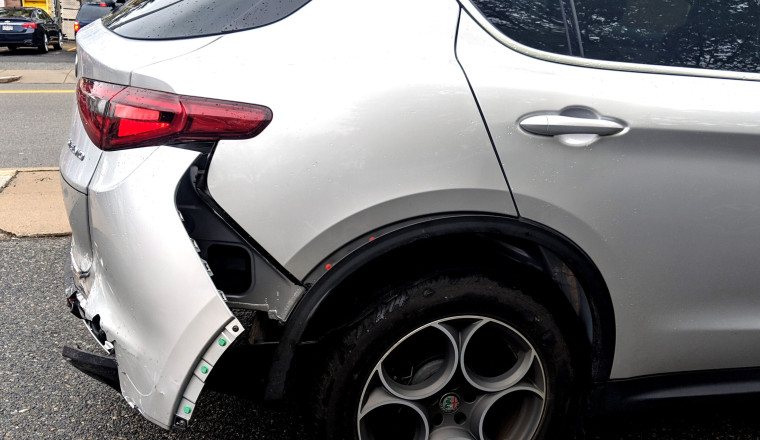
ADAS-equipped vehicles and increasingly integrated electronics mean repairs are more complex and costly. A simple fender bender at low speed might have only required a simple bumper cover in the past. Today, some cars carry radar, lidar, and sonic sensors in the same bumper cover, which drives up the cost.
Windshields can feature similar tech along with rain-sensing features and more. Tariffs and supply chain disruptions have added unpredictability to parts pricing, while a decline in smaller claims has mechanically raised the proportion of total losses.
Even cars that don’t end up as total losses add to the increase in insurance premiums since repairs often cost more than they used to. Through Q3 2025, the average total cost of repair rose from $4,700 to $4,768. Medical claim costs are rising too, with more frequent injury-related payouts and higher-cost treatments showing up earlier in the claims process.
Nearly 88 percent of direct repair program (DRP) appraisals now include diagnostic scans. Some 36 percent also required calibrations. These actions are vital for ADAS functionality. And these factors extend repair timelines, increase rental exposure, and place added strain on insurers’ cost models.
The Cost Hits Every Corner
At this stage, it’s not just everyday consumers who are dealing with the result of all this complexity. Dealers, insurers, and repair shops are all contending with the ripple effects of more expensive, tech-heavy repairs.
And from the sound of it, none of them are particularly thrilled with the direction things are heading. Each totaled car becomes a replacement search on a budget, often under pressure from rising premiums, which puts added focus on affordable used inventory.