

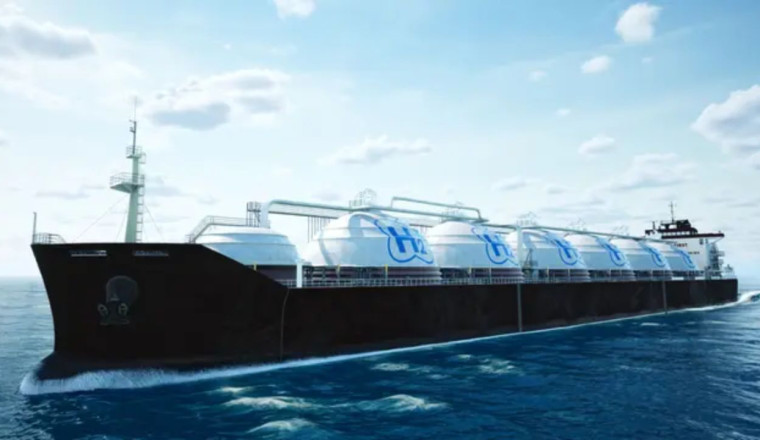

A bold step toward slashing shipping emissions is underway thanks to innovative work from Brunel University London and energy startup Genuine H2. Their joint project, GH2DEM, targets one of the biggest challenges in the hydrogen economy: producing clean hydrogen fuel directly from seawater without the costly step of desalination.
The system uses renewable electricity solar or wind to split seawater molecules, extracting hydrogen ions while overcoming corrosion and chlorine byproduct issues that have long hindered seawater electrolysis. This hydrogen is then stored onboard vessels in a novel molecular solid form that remains stable at room temperature and normal atmospheric pressure, thanks to advanced nano-film storage technology. This method sidesteps traditional high-pressure tanks or cryogenic cooling, greatly improving safety and logistics.
What sets GH2DEM apart is the electrode innovation that allows direct hydrogen splitting from seawater without requiring expensive purification or desalination. This breakthrough reduces costs and complexity, making hydrogen fuel accessible at sea. Once stored, the hydrogen fuels marine engines modified to burn it cleanly, outputting only water vapor as exhaust. This promises a truly zero-emission alternative to conventional diesel fuel, a major contributor to global emissions.
The UK government and Innovate UK are backing this project with a £1.44 million investment, part of a wider £30 million strategy to accelerate decarbonization in transportation industries. The initiative aligns with international commitments to slash greenhouse gases and transition global shipping toward sustainable energy.
Brunel’s hydrogen combustion engine, soon to be tested on campus, forms a critical element of GH2DEM, proving the concept’s viability in heavy-duty maritime conditions. The win-win of local hydrogen production alongside safe storage could transform fuel delivery logistics for ships, unlocking new pathways for green shipping at scale.
While challenges remain, GH2DEM’s pioneering combination of direct seawater electrolysis with innovative hydrogen storage technology offers hope for a cleaner maritime future. As the shipping industry faces mounting pressure to reduce carbon footprints, such technology could be the critical breakthrough to harness the abundant, renewable energy source of the oceans.