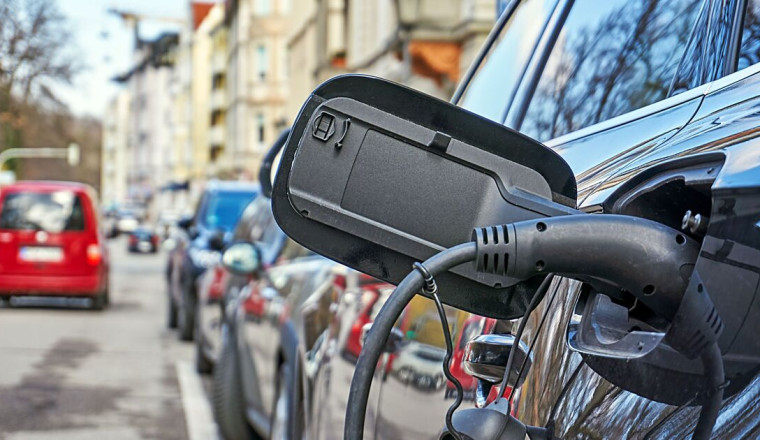

A leading electric car manufacturer has called out Rachel Reeves for not introducing one crucial EV rule in her Autumn Budget. Matt Galvin, Managing Director of Polestar UK, called on the Government to cut VAT on public charging plugs to bring fees into line with private charging costs.
Under current rules, motorists pay 20% VAT when using public charging cables compared to just 5% at home. It means those without access to off-street parking, such as in major cities, are forced to pay more to top up their vehicles. The EV expert Matt admitted customers were already reporting concerns with the extra fees on the forecourts and suggested reducing rates could act as a major incentive to switch.

Speaking exclusively to the Express, Matt said: “We do have customers come to us and say ‘I can’t charge at home, I don't want to be going to public charging because it’s too expensive’, so we have to provide more incentives.
“If you’re a Polestar owner or driver, you can access something called Polestar Charge, which is a discounted access to public charging, which is great. But that's Polestar having to subsidise public charging because the Government has not reduced that VAT level.”
According to EV experts GRIDSERVE, data reveals as many as 49% of non-EV drivers would switch to electric cars sooner if public VAT charging rates were cut. The poll of 2,000 adults found those living in cities were more inclined to back changes.
Three in four (77%) of Londoners polled said they would be more likely to change cars if VAT rates were reduced. The Government has not ruled out taking action around the cost of running electric cars, stating in the Budget that a review would be opened into the price of public charging.
The Budget said: “The government is already taking action to bring down energy costs for consumers and businesses, but the price of public EV charging has risen in recent years.
“The government will review the cost of public EV charging, looking at the impact of energy prices, wider cost contributors, and options for lowering these costs for consumers. The review will start in Q1 2026 and report by Q3 2026.”
However, Matt concluded: "Actually, it remains to be seen as to whether or not there is any tangible action as a result of those reviews and policy changes.”