

The pandemic speculation frenzy is over. The classic car market has entered a period of consolidation after years of dramatic appreciation. With fewer cars appreciating in 2024, it's fair to say 2025 is a safer bet for enthusiasts than investors. But within that broader stabilization, specific models are experiencing exceptional growth while others crater. The difference between winners and losers has never been starker.
The Runaway Winner: Lamborghini Miura
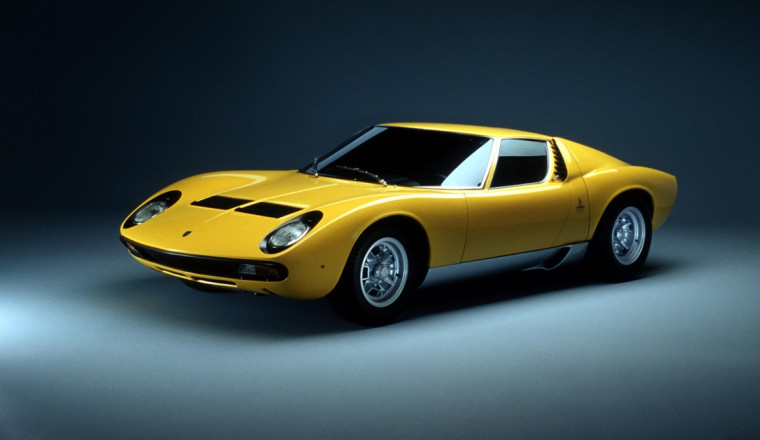
Lamborghini models have emerged as standout performers in recent market analysis. The Miura, in particular, has seen exceptional appreciation, with every version of the legendary supercar experiencing significant value increases during 2024.
The numbers are staggering. The average price of a Lamborghini Miura is $2,212,477, with the range spanning from entry level P400s around £1 million to top spec Miura SVs commanding £2,513,433 in average condition. A Miura SV previously owned by Jamiroquai singer Jay Kay sold for a world record $4.9 million during the RM Sotheby's Dare to Dream auction in the spring of 2024.
What makes this appreciation remarkable is its breadth. All three Miura variants are rising simultaneously. In average condition, a Lamborghini Miura is worth £1,012,556, the Miura S is worth £1,067,800, and the Miura SV averages £2,513,433. This isn't speculators chasing one hot model. This is the market recognizing the Miura's significance as the world's first supercar and rewarding every variant accordingly.
Air-Cooled Porsches: The Steady Climb Continues
Porsche models continue their steady appreciation, particularly air-cooled 911 variants and the company's more exotic offerings. The 930 Turbo, 964, and 993 generations maintain strong values, while earlier long-hood 911s have stabilized at high levels. Unlike Miuras shooting to the moon, Porsches deliver predictable, sustainable growth. The 993 generation, the last air-cooled 911, remains especially strong as buyers recognize it represents the end of an era.
Using Hagerty Price Guide values, the new indexes show values for vehicles over the past five years are up between 42 percent and 73 percent. That's exceptional performance compared to traditional investments, delivered with less volatility than many stocks.
JDM Cars: The 25-Year Rule Windfall
The clear winners were 25-year rule eligible JDM cars, modern classics from the 2000s, and select American brands like Ford. Japanese performance cars crossing the 25-year import threshold are experiencing explosive appreciation as American buyers finally gain legal access.
Generational shifts are influencing preferences, with Millennials and Gen Z showing interest in modern classics from the 1980s and 1990s, such as the Mazda RX-7 and Acura NSX. These buyers grew up playing Gran Turismo and watching Initial D. Now they have money. The cars they coveted as teenagers are appreciating as they enter peak earning years.
Modern Classics: 2000s Performance Cars
Cars from the 1980s to early 2000s, particularly Porsches, Lamborghinis, and manual Ferraris, remained in high demand. Limited edition modern supercars, such as the Porsche 918 and LaFerrari, continued to see strong price appreciation. These cars sit in a sweet spot: modern enough for reliability and usability, old enough to be appreciating rather than depreciating.
BMW's M division classics are gaining recognition, particularly the E30 M3 and original M1 supercar. These models combine motorsport pedigree with daily usability, appealing to collectors who want cars they can actually drive and enjoy. The E30 M3's touring car racing history and analog nature drive continued appreciation as modern M cars become increasingly digital and heavy.
The Losers: American Muscle Craters
Hagerty reported that its Muscle Cars and Ferrari indexes declined by 10 percent and nine percent, respectively, compared to January 2024, reflecting notable market shifts in these categories. After years of astronomical appreciation, muscle cars are experiencing serious corrections.
Traditional American muscle cars have experienced the most significant corrections in recent years. High-end examples that reached astronomical prices during peak market conditions are seeing substantial declines. A 1970 Plymouth Hemi 'Cuda sold for $302,500 at Barrett-Jackson Scottsdale in January 2025. That sounds impressive until you remember these cars were trading for over $1 million at peak. The correction is brutal.
Vehicles from the 1960s are seeing the biggest fall across multiple market analyses. The muscle car market's collapse stems from demographic shifts. The Baby Boomers who drove these cars in their youth and bought them as investments are aging out. Younger collectors don't share the same emotional connection to American iron from the 1960s.
Ferraris Fall from Grace
The Ferrari index declining nine percent shocks nobody who's watched auction results. The five-year performance of the Blue Chip Index and the Ferrari Index are down 0.2 percent and nine percent, respectively. These aren't investment grade assets anymore. They're depreciating collectibles.
The exception? Manual transmission Ferraris remain strong. Manual Ferraris remained in high demand because they represent the last of truly analog supercars before paddle shifts became mandatory. But automatic Ferraris from the 2000s? Falling fast.
British Sports Cars: The Endless Decline
Classic British sports cars face ongoing challenges in maintaining value appreciation. Models like the MGB, Triumph TR series, and Austin-Healey variants struggle against reliability concerns and limited performance compared to contemporary alternatives. These cars maintain devoted followings but broader collector interest continues declining.
The challenge for British classics lies in their positioning between affordable entry-level classics and serious investment-grade vehicles. They often require significant maintenance expertise and parts availability concerns limit their appeal to casual collectors. You can't drive them reliably. You can't flip them for profit. They exist in collector purgatory, too expensive to be project cars, too problematic to be investments.
Pre-War Vehicles: The 11 Percent Plunge
AssetClassic reports pre-war vehicles faced an 11 percent decline. The market for cars built before 1940 is shrinking as knowledge required to maintain them vanishes. Younger collectors don't have the mechanical sympathy or patience for cars requiring constant attention. These vehicles are being relegated to museums and institutional collections while private ownership declines.
Market Dynamics: What Changed
FOMO was a major factor in the market runup earlier this decade. Enthusiasts watched prices accelerating upwards and felt rushed to act before the cars on their watchlist moved beyond reach. Today's buyers don't feel that same pressure, and are instead being much more patient.
Vehicles are sitting longer on collector car dealer lots than at any point in the last seven years. That's not necessarily bad. It represents market maturation. In June, 40 percent of online consignments didn't carry a reserve, the lowest that figure has been in two years. Clearly, sellers in 2025 recognize we're in a buyer's market and are being realistic when they decide to sell.
The average asking price by collector car dealers has fallen nine percent from a high of $49,044 in 2023 to $44,701 today. Prices decreased in aggregate, but individually, most segments remained stable. The market isn't collapsing. It's consolidating around genuine collector interest rather than speculative buying.
The Investment Perspective
The Classic Cars Market was valued at USD 39.7 billion in 2024 and is anticipated to reach USD 77.8 billion by 2032, at a CAGR of 8.7 percent during the forecast period. The market remains healthy long-term. What's changing is which cars within that market appreciate versus depreciate.
Amid global economic fluctuations, many investors view vintage automobiles as tangible assets with potential for long-term value appreciation. Rare models, limited production runs, and well-preserved vehicles continue to attract significant interest at auctions worldwide. The record-breaking sale of the Mercedes-Benz 300 SLR Uhlenhaut Coupe for $149 million proves exceptional cars still command exceptional prices.
What to Buy Right Now
If you're investing rather than collecting, the data suggests clear strategies:
-
Lamborghini Miuras - All variants appreciating, with SVs leading. Buy the best example you can afford.
-
Air-cooled Porsches - 993 generation offers entry point before values climb further. Earlier longhood 911s stabilized at high prices.
-
JDM imports - Anything crossing 25-year threshold. R34 Skylines, FD RX-7s, NSXs all showing strength.
-
Modern classics - 2000s supercars with manual transmissions. Porsche 918, LaFerrari if you have millions. BMW E30 M3 if you don't.
-
Limited production modern - Small production runs from established manufacturers. These depreciated initially, now recovering.
What to Avoid
-
American muscle - Unless you're buying for passion not profit. Values correcting sharply after unsustainable appreciation.
-
Automatic Ferraris - Manual commands premium. Paddle shift from 2000s depreciating.
-
British sports cars - Affordable but appreciating slowly if at all. Parts availability worsening.
-
Pre-war vehicles - Knowledge base shrinking. Buyer pool aging out. Institutional buyers only.
-
1960s classics generally - Broad category decline as demographics shift away from Boomer preferences.
The classic car market isn't dead. It's evolving. The cars appreciating in 2024-2025 share common threads: genuine significance, limited production, enthusiast devotion transcending generational preferences, and usability. The Miura defined supercars. Air-cooled Porsches represent analog purity. JDM legends combine performance with cultural cachet. These aren't speculation plays. They're automotive landmarks the market finally recognizes as such.
Meanwhile, muscle cars that appreciated on Boomer nostalgia alone are correcting. British sports cars that never quite achieved greatness continue their slow fade. And Ferraris without manuals prove that badge alone doesn't guarantee appreciation.
This shift represents a maturation of the market, where speculative buying has given way to more informed collecting based on genuine appreciation for automotive history and engineering excellence. Buy what matters. Sell what doesn't. And if you bought a Lamborghini Miura anytime in the last decade, congratulations. You're making serious money right now.