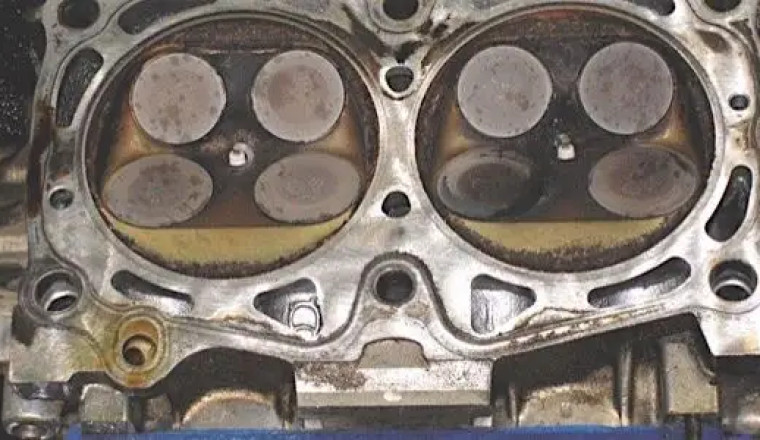

For years, Subaru earned a reputation for persistent head gasket failures, especially in models equipped with the EJ series engines produced between the mid-1990s and the late 2000s. These early Subaru engines used single-layer gaskets that, despite various updates, were prone to leaking or outright failure between 120,000 and 150,000 miles. Problems commonly surfaced as coolant leaks, overheating, and in worst cases, severe engine damage.
Subaru responded with improved multi-layer steel (MLS) head gaskets beginning in the late 1990s, which significantly reduced external leaks. However, this fix was not a cure-all. Issues persisted in certain models until approximately 2009-2011 depending on the vehicle line. In the 2.5-liter Legacy, Outback, and Forester models, head gasket leaks could still occur internally, especially if coolant levels dropped or maintenance was neglected.
Fast forward to Subaru’s modern FB-series engines introduced after 2011: these engines largely escaped the head gasket woes of the past. Instead, some owners report oil leaks around cam covers or timing chain areas, but these are different issues and tend to be less catastrophic. Proper maintenance remains key to preventing even these newer concerns.
If you own or plan to buy a Subaru, don’t overlook early warning signs of gasket issues: unusual white or blue smoke from the exhaust, milky engine oil, overheating, or bubbles in the radiator can all signal trouble. Catching problems early can save expensive repairs.
Bottom line: the head gasket saga is mostly behind Subaru. The infamous failures of two decades ago are rarely seen in latest-generation cars. But Subaru’s head gasket history still prompts prospective buyers and cautious owners to stay vigilant. After all, reputation lingers long after the problem fades and Subaru savvy maintenance keeps these reliable machines running strong for hundreds of thousands of miles.