
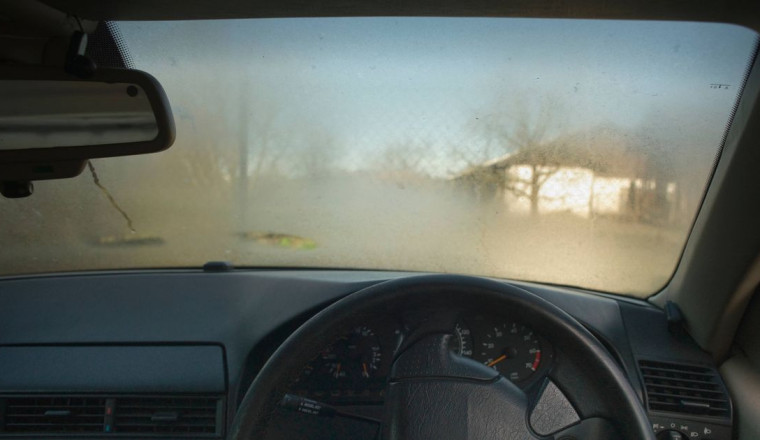

Motorists face that irritating time of year when extra minutes must be dedicated to their vehicles each morning, as colder weather typically brings condensation along with it. However, if you're keen to avoid the hassle this November, there's a straightforward solution, and it simply requires removing an everyday item from your vehicle.
Both drivers and motoring specialists suggest that keeping a particular item in your car may be making the condensation issue worse. In reality, this common oversight could be creating more problems in your vehicle than you might think. Recently, drivers discussed the matter on Reddit, after someone enquired: "Why do I have so much condensation/moisture on [the] inside of [my] car windows/windshield? Help."
The query prompted numerous people to offer suggestions, with a variety of opinions shared about preventing cars from steaming up during the chillier months. There are a few things you can do to prevent condensation coming back.
One person responded: "Turn up your heat, turn on defrost and make sure the air intake is set to outside air." Another commented: "My problem was wet cloth floor mats in the past, and before that was using e-cigs in my car early morning before heading into work."
A third individual also pointed out: "Your doors have drains that can get clogged and are fairly easy to check. That, and all of the weatherstripping around the doors, windows and trunk. Moisture is getting in your car somehow, you just have to figure out how it's getting in."
While condensation can be triggered by various factors, leaving certain items in your vehicle, such as wet mats, can actually make the problem worse. The Royal Automobile Club (RAC) provides specific advice on this issue.
It states: "Windscreen misting happens when moisture in the air inside your vehicle condenses on the cooler surface of the glass. When the inside temperature is warm and humid, and the windscreen and outside is colder, moisture will appear.
"This typically happens in colder months of the year, and these droplets of water will need to be cleared before you drive. Humidity inside the car can happen if drivers leave wet clothes, shoes, umbrellas and other items to dry, as well as any leaks within the vehicle that cause collections of rainwater.
"Damp car mats and upholstery can also cause misty windscreens and windows. It can also be the result of poor air conditioning and circulation."
Put simply, leaving any type of damp item in your car could be contributing to the fogging issue. This means wet items, including mats, clothing or footwear, should be taken out to help tackle the problem.
Condensation develops inside a vehicle when warm, humid air within the car comes into contact with a cold surface, typically the windows. This causes the moisture vapour to turn into water droplets.
Common culprits for interior moisture often include passengers' breath, damp clothing or pets, hot beverages and leaks from door or sunroof seals. Additionally, temperature differences, particularly overnight, can create the cold surface that triggers condensation.
As winter approaches, this naturally becomes a bigger issue for motorists. When temperatures fall, car condensation turns into a nightmare, with windscreens more susceptible to fogging up.
A thin layer of moisture will appear on the windscreen due to a significant temperature difference between the inside and outside of the car. This can cause inconvenience for many drivers during the morning hours.
Removing damp items might help you tackle the problem, but it's crucial to inspect for any leaks. If you're uncertain why the problem has worsened for you, seek further advice from a mechanic.