
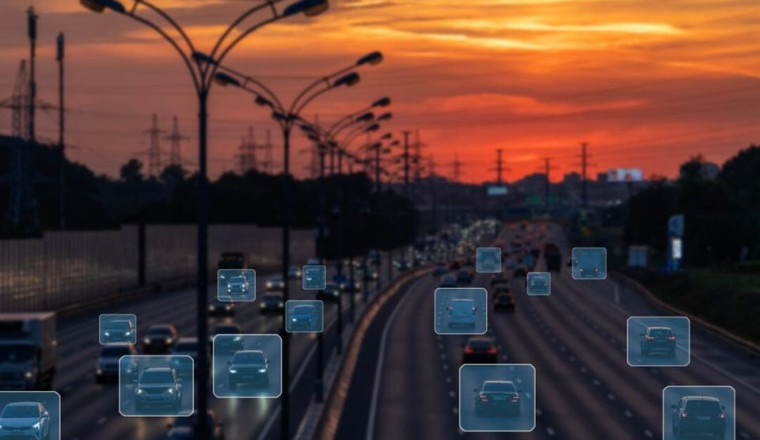

Greece just flipped the switch on AI traffic cameras and the results hit hard. Eight pilot units in central Athens hotspots clocked 2,500 violations across four days, with a lone camera on Syngrou Avenue nailing more than 1,000 cases of phone scrolling and seatbelt slacking. Red light runners piled up too, 480 at Mesogeion–Chalandri and 285 on Vouliagmenis–Tinos, while 800 speeders got pinged on 90 km/h stretches. No fines drop yet; this is the learning phase where the tech sharpens its eye.
Hellenic Police picked the crash blackspots, visible cams staring down bus lanes, emergency zones and junctions where tempers flare. AI grabs plates, snaps pics, logs video with timestamps, all encrypted before it hits the servers. Violators get digital nudges via gov.gr or SMS once the system syncs. Minister Dimitris Papastergiou calls it a livesaver, not a cash grab, tying straight into a national push that balloons to 2,500 cams by 2026, half on city buses hunting lane hogs.
Athens traffic has always been a free for all, scooters weaving, horns blaring, belts optional. These eyes change the game overnight, spotting what cops miss in the chaos. Syngrou's monster haul proves the point. Eight zones for now, but Attica adds 388 more, motorway nets fold in, and the whole beast goes live by Q1 next year.
Nobody hides from this. ANPR tech IDs make, model, colour, flags dodgy insurance or expired taxes on the spot.