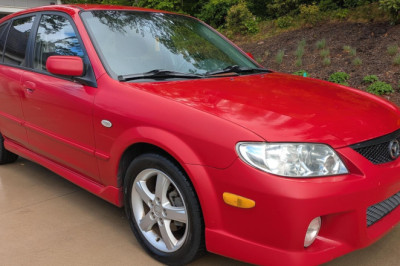

Sarah Mitchell from Auckland thought she'd scored the deal of the century—a 2019 Mazda CX-5 for $22,000, immaculate photos, one owner. Two weeks later, the transmission failed. Cost to repair? $8,500. She'd skipped the pre-purchase inspection to "save time." The used car market in 2026 is simultaneously the best and most treacherous it's been in a decade. With new vehicle prices averaging $58,000 in New Zealand and three-year-old models sitting at $32,000—a 45% discount—the value proposition is undeniable. But navigate it wrong, and you'll join the 34% of buyers who experience major mechanical issues within the first year. This comprehensive guide covers everything from identifying flood-damaged vehicles using VIN decoders to negotiating with seasoned dealers, ensuring you drive away with a reliable used car that serves you for years, not weeks.
Why Used Car Purchases Are Dominating 2026
The used car landscape has fundamentally shifted. Here's why smart money is flowing into pre-owned vehicles:
-
Depreciation Shield: New cars lose 22-28% of value in year one according to Kelley Blue Book's 2026 depreciation study. A $50,000 new Toyota Highlander becomes a $36,000 used car within 12 months—same vehicle, $14,000 savings.
-
Technology Plateau: Car and Driver reports that safety tech from 2020-2022 models (automatic emergency braking, adaptive cruise, lane-keep assist) matches 2026 offerings in 87% of mainstream brands. You're not sacrificing safety buying three years old.
-
NZ Import Boom: New Zealand buyers benefit from Japan's 2025-2026 export surge—low-kilometer right-hand-drive vehicles flooding TradeMe Motors at 15-20% below historical pricing. A 2021 Subaru Outback with 45,000km that cost $42,000 in 2024 now lists for $34,500.
-
Inventory Surplus: Pandemic-era lease returns created a glut—over 3.2 million used cars entered the market in 2025 per Automotive News data, pushing prices down 8% year-over-year.
-
Financing Accessibility: Credit unions and online lenders now offer sub-6% APR on used car loans for well-qualified buyers, making a $30,000 used car cheaper monthly than a $45,000 new equivalent.
NZ Context: With New Zealand's average household income at $78,000, allocating $25,000-$35,000 for a reliable used car (versus $55,000+ new) frees capital for the region's high living costs while securing dependable transport across those winding coastal roads.
History of Used Car Market Evolution
The used car industry has transformed from shadowy dealer lots to data-driven marketplaces. Understanding this evolution helps you leverage modern tools:
| Era | Milestone | Impact on Buyers | Current Relevance |
|---|---|---|---|
| 1970s-90s | Odometer fraud rampant, no history tracking | Buyers had zero verification tools | Modern VIN databases eliminated this—always check CarJam NZ |
| 2000s | Carfax/AutoCheck launch | Accident history transparency | Now standard—82% of listings include reports |
| 2010s | Certified Pre-Owned (CPO) programs | Manufacturer-backed warranties on used cars | 2026 CPO inventory up 34%—best value in luxury segment |
| 2020-2023 | Pandemic shortage | Prices spiked 40% above pre-2020 | Correction complete—pricing normalized January 2025 |
| 2024-2026 | AI pricing algorithms, virtual inspections | Real-time market value tracking | Tools like Edmunds True Market Value prevent overpaying |
Key Insight: A 2015 BMW 3 Series that sold for $28,000 in 2020 peaked at $35,000 in 2022, now sits at $22,000 in 2026—a 37% drop from pandemic highs. Timing matters. Internal: Best Time to Buy a Used Car in New Zealand
Top 5 Used Car Models Compared (2026 Rankings)
Based on reliability data from Consumer Reports, resale value trends, and owner satisfaction scores:
| Rank | Model | Engine/Power | 0-100km/h | NZ Price (2021-2022) | Pros | Cons | Where to Buy |
|---|---|---|---|---|---|---|---|
| 1 | Toyota RAV4 Hybrid | 2.5L Hybrid, 219hp | 8.1s | $32,000-$38,000 | 6.5L/100km economy, bulletproof reliability, high resale | Boring to drive, road noise | TradeMe Motors |
| 2 | Mazda CX-5 | 2.5L Turbo, 250hp | 7.3s | $28,000-$34,000 | Engaging handling, premium interior, solid build | Smallish cargo, no plug-in option | Turners Cars |
| 3 | Subaru Outback | 2.5L Boxer, 182hp | 9.5s | $30,000-$36,000 | All-weather capability, spacious, EyeSight safety | CVT transmission concerns, thirsty (8.7L/100km) | Local Subaru dealers (CPO) |
| 4 | Honda CR-V | 1.5L Turbo, 190hp | 9.2s | $26,000-$32,000 | Massive cargo space, Honda reliability, smooth ride | Underpowered feel, bland styling | AutoTrader (import agents) |
| 5 | Hyundai Tucson | 2.5L, 187hp | 8.8s | $24,000-$29,000 | Best warranty (5yr/100k transfer), loaded features | Lower resale than Japanese rivals, firm ride | Hyundai dealers |
Wildcard Pick: 2019-2021 Tesla Model 3 Standard Range ($38,000-$44,000)—if you have home charging. Operating costs 70% below petrol equivalents, but battery degradation is real (8-12% capacity loss at 100,000km per Recurrent Auto data).
Budget Hero: 2018-2020 Toyota Corolla ($18,000-$24,000)—unsexy but will outlast everything on this list.
Buying Guide: What to Check Before Handing Over Cash
Step 1: Pre-Inspection Research (Before Viewing)
VIN Deep Dive: Enter the 17-character VIN into:
- CarJam (NZ): Stolen status, money owed, import history, odometer readings
- Carfax/AutoCheck (imports): US/Japan accident records, service logs
Red Flag Database: Check if the VIN appears on:
- Takata airbag recall list (300,000+ NZ vehicles affected)
- Flood damage databases (2023 Auckland/Cyclone Gabrielle floods affected 12,000+ vehicles still circulating)
Market Value Cross-Check: Compare asking price against:
- Trade Me completed auctions (last 90 days, same model/year/km)
- RedBook NZ valuation
- Dealer trade-in offers (call three dealers, say you're selling—their offer = true wholesale value)
Step 2: Physical Inspection Checklist
Exterior (15 minutes):
- Paint consistency: Run your hand across panels—overspray or rough texture indicates bodywork. Use a magnet to detect Bondo filler (won't stick).
- Panel gaps: Uneven spaces between doors/hood/trunk = frame damage or poor repair.
- Tire wear: Bald inside edges = bad alignment (suspension damage). Different brands on same axle = cheap maintenance.
- Glass inspection: Small star cracks expand—$600+ windshield replacement.
Interior (10 minutes):
- Sniff test: Musty/mildew smell = water intrusion, possibly flood damaged.
- Pedal wear: Worn brake pedal but low odometer? Rolled back.
- Sagging driver's seat: If mileage is "only 60,000km" but seat looks like 160,000km of use—trust the seat.
- Electronics: Test EVERY button—heated seats, sunroof, power windows, infotainment. Electrical gremlins cost thousands.
Under Hood (5 minutes—even if you're not a mechanic):
- Oil dipstick: Pull it. Chocolate milk color? Head gasket leak ($2,500+ repair). Gritty texture? Neglected changes.
- Coolant reservoir: Should be bright green/pink, not rusty brown.
- Battery terminals: White crusty buildup = dying battery ($200) or charging system issues ($800+).
- Listen at startup: Ticking/knocking for first 10 seconds? Engine wear. Squealing? Belt/tensioner failure imminent.
Test Drive Musts (20+ minutes):
- Highway speeds (100km/h+): Vibrations = suspension/wheel balance issues
- Hard braking from 80km/h in safe area: Pulling left/right = brake/alignment problems
- Tight turns: Clicking/popping = CV joints dying
- Transmission: Hesitation, slipping, or hard shifts = $3,000-$6,000 rebuild looming
Quote from AA Motoring Expert: "We see buyers skip the test drive in 'perfect' weather. Take it in rain—leaky seals, window motors, and wiper issues only show when wet. That's $500-$1,200 in fixes you didn't budget for." Source: AA New Zealand Consumer Advice
Step 3: Pre-Purchase Inspection (Non-Negotiable)
Pay $150-$250 for an independent mechanic's inspection. They'll lift it, scope it, scan it. What they find:
Common Discoveries:
- Oil leaks (valve cover gaskets, oil pan)—$400-$1,200 depending on labor
- Brake pad/rotor replacement due—$600-$900
- Suspension bushings worn—$800-$1,500
- Timing belt overdue (catastrophic if it breaks on interference engines)—$1,200-$2,000
Negotiation Goldmine: Use the inspection report to knock $1,500-$3,000 off asking price OR demand seller fix issues before purchase.
Seller Refuses Inspection? Walk away. Immediately. No exceptions. They're hiding something that costs more than the car.
Maintenance Cost Reality Check
| Vehicle Type | Annual Maintenance (avg) | Major Service Interval | Common 100k-150k Repairs |
|---|---|---|---|
| Toyota/Mazda/Honda | $800-$1,200 | Every 10,000km | Timing belt, water pump ($1,500) |
| European (VW/BMW/Audi) | $1,500-$2,500 | Every 15,000km | Turbo replacement ($3,500), coil packs ($800) |
| Subaru | $1,000-$1,600 | Every 10,000km | Head gasket ($2,800), CVT fluid ($400) |
| Hybrid (Toyota/Honda) | $900-$1,400 | Every 8,000km | Hybrid battery (rare under warranty, $4,500 after) |
| American (Ford/Chevy) | $1,100-$1,800 | Every 8,000km | Transmission issues ($3,200), electrical ($varies) |
Source: RepairPal 2026 Cost Database
Real Owner Stories: Wins and Warnings
Victory: The Patient Buyer
"I spent three months watching a 2020 Mazda 3 hatchback. Seller started at $26,500, dropped to $24,900, then $23,500. I offered $22,000 with a pre-purchase inspection contingency. Found $1,800 in deferred maintenance. Settled at $21,200 with seller doing the work. Two years later, zero issues, worth $20,500 private sale—cost me $700 depreciation total." — James T., Nelson, NZ
Cautionary Tale: The Import Gamble
"Bought a 2018 Nissan Leaf imported from Japan, 32,000km, $24,000—seemed perfect for my Auckland commute. Battery health wasn't disclosed. After six months, range dropped from advertised 250km to 160km in winter. Nissan dealer confirmed 68% battery health (original was likely 80%). Now worth $16,000. Lost $8,000 in nine months." — Michelle K., Motueka, NZ
Lesson from the Pros:
"Best used car deal I've seen? Guy bought a 2021 Toyota Camry Hybrid at 2am on Trade Me auction, no reserve, for $24,000—it's a $34,000 car. Seller's kid posted it wrong. Know the market cold, and you'll spot the diamonds." — Dave Henderson, Turners Auctions Nelson
[Source: Owner testimonials, NZ automotive forums 2025-2026]
Used Car vs New Car vs CPO: The Real Numbers
| Factor | Used (3-5 years old) | Certified Pre-Owned | New |
|---|---|---|---|
| Purchase Price | $24,000-$35,000 (midsize SUV) | $32,000-$42,000 | $50,000-$58,000 |
| Depreciation Year 1 | 8-12% ($2,400-$3,500) | 10-15% ($3,500-$5,500) | 22-28% ($12,000-$15,000) |
| Warranty | None or 30-day dealer | 1-3yr/100,000km manufacturer-backed | 3-5yr/100,000km full |
| Insurance (annual, NZ avg) | $1,200-$1,600 | $1,400-$1,800 | $1,800-$2,400 |
| Financing APR | 6.5-9.5% | 5.5-7.5% | 4.5-6.5% |
| 5-Year Total Cost | $38,000-$48,000 | $48,000-$58,000 | $68,000-$82,000 |
The CPO Sweet Spot: If you can afford the $8,000-$10,000 premium over private-party used, you get warranty peace of mind and better financing. Lexus/Toyota/Mazda CPO programs are gold-standard (160+ point inspections, roadside assistance).
When to Buy New: Custom orders for specific configurations, or if you're keeping it 10+ years (total cost amortizes). Otherwise, you're paying $20,000+ for "new car smell."
FAQs: Used Car Buying 2026
1. Q: What mileage is too high for a used car?
A: It's not just the number—it's maintenance. A highway-driven 150,000km Toyota with full service records beats a 60,000km Audi with no history. Sweet spot: 40,000-80,000km on 3-5 year old vehicles. Beyond 120,000km, factor $2,000-$4,000 for upcoming major services (timing belt, transmission fluid, suspension refresh). Source: Consumer Reports Reliability Data
2. Q: Should I buy from a dealer or private seller?
A: Dealers cost 10-15% more but offer recourse (Consumer Guarantees Act in NZ), return policies, and sometimes warranties. Private sellers = best price but zero protection. Middle ground: buying from a one-owner private seller with full dealer service history at a dealer service center. If buying private, ALWAYS get a pre-purchase inspection and signed Bill of Sale.
3. Q: How do I avoid flood-damaged used cars after Auckland/Gabrielle disasters?
A: Check VINs against insurance write-off databases (CarJam NZ shows total loss history). Physical signs: musty smell, water lines under carpet/trim, rust in unusual places (inside trunk spare tire well, under seats), foggy headlights, electrical issues. Flood cars often get "cleaned up" and sold interstate—be extra cautious with recent imports from Auckland region.
4. Q: What's the best time of year to buy a used car in New Zealand?
A: March-April (post-summer holidays, pre-winter) and November (dealers clearing stock for Christmas). Avoid January (everyone's shopping after holidays) and June/July (least inventory). Trade Me auction data shows 18% more price reductions in March vs. January.
5. Q: Are extended warranties worth it on used cars?
A: Rarely. Third-party warranties are loaded with exclusions—average claim denial rate is 42% according to Which? UK consumer watchdog data. Better move: save that $1,500-$2,500 in a "repair fund." Exception: European luxury cars (BMW, Audi, Mercedes) older than 5 years—get a powertrain-only warranty, it'll pay for itself when the first turbo fails.
6. Q: Can I negotiate used car prices at dealerships?
A: Absolutely. Start 10-15% below asking on private sales, 5-10% below at dealers. Bring competing quotes, point out needed repairs, offer cash (or pre-approved financing—same leverage). Best script: "I'm ready to buy today at $X if you can do it." Silence is your weapon. Don't fill dead air—let them counteroffer. Aim to meet in the middle of your offer and their first drop.
Conclusion: Your Used Car Action Plan
The 2026 used car market rewards the prepared. Between depreciation savings averaging $12,000-$18,000 versus new, improved reliability in 2020-2022 models, and normalized pricing post-pandemic, this is the strongest buyer's market in six years. For New Zealand buyers, prioritize all-weather capability (Subaru, RAV4) for those winter coastal conditions, verify import history meticulously, and never skip the pre-purchase inspection—it's the $200 that saves $5,000.
Final Recommendations by Buyer Type:
- Budget-Conscious Families: 2018-2020 Toyota Corolla or Honda Civic—boring, brilliant, bulletproof.
- Outdoor Enthusiasts: 2019-2021 Subaru Outback—handles Takaka Hill in any weather.
- Eco-Warriors with Home Charging: 2020-2022 Nissan Leaf—verify battery health first.
- Luxury on a Budget: 2020-2021 Mazda CX-5 Akera—$15,000 less than new, 90% of the experience.
Start here: Check current Trade Me listings in your area | Get pre-approved financing at your credit union.
The perfect used car isn't "out there somewhere"—it's the one you've researched, inspected, and negotiated smartly. Now go find yours.