

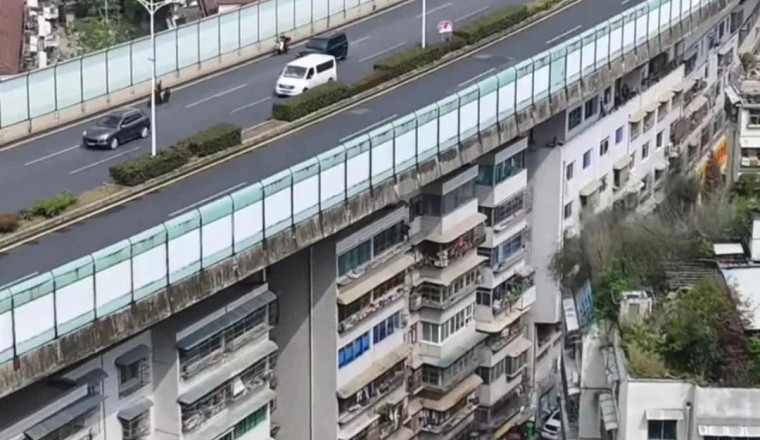

In the bustling city of Guiyang, China, a unique neighbourhood has taken shape in the shadow of the Shuikousi Bridge. Completed in 1997, the massive highway bridge seemed an unlikely place for homes, yet just two years later, the city began filling unused space beneath its concrete arches with residential buildings.
This unusual development emerged as a pragmatic response to the severe land shortage facing Guiyang. Rather than letting the space lie empty, authorities constructed ten low-rise buildings initially, creating affordable rental and resettlement housing close to the heart of the city. Demand pushed the expansion of the complex, turning the area under the bridge into a compact, functioning community.
Life under the bridge means residents live amid the steady hum of traffic overhead. Noise and vibration, while a constant presence, have become part of daily life. Many locals say they have grown accustomed to the sounds and even appreciate the unique atmosphere created by shadow patterns and headlights flickering through the night.
To soften the impact, authorities banned heavy trucks from crossing the bridge, reducing noise and shaking, and making the area more habitable. Families have settled here for years, balancing affordability and accessibility.