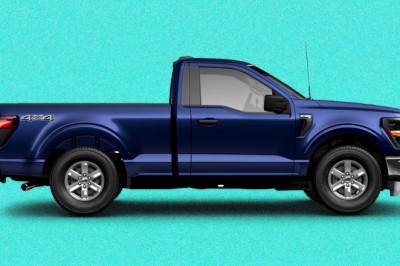


Ed Miliband’s electric car dream could be about to destroy the ailing UK car industry, with thousands of jobs in the sector likely under threat. The Energy Secretary has been a major supporter of Labour’s Zero Emission Vehicle (ZEV) Mandate rule which could prove disastrous for car brands across the country in the coming years.
First things first, the UK manufacturing industry is not in a good place, with the number of cars made in the UK hitting a 73-year low in September. Jaguar Land Rover’s cyber-attack was responsible for the low numbers, but why is one crisis leaving the UK so exposed? Britain used to have a thriving manufacturing industry with a car market to rival anywhere in the world.

Bentley dominated the Le Mans 24 Hours race in the 1920s before Aston Martin and Jaguar took the helm to become among the world’s most respected brands. At one stage, Jaguar even caught the attention of Enzo Ferrari who described the E-Type as the most beautiful car he'd ever seen.
International imports such as Ford began to dominate the market in the 1970s with the Escort and Cortina among the most popular models in the country. But, the UK still enjoyed a respectable export market with British-built models sought after all across the globe through its links with famous film franchises such as James Bond.
But in 2025, it feels like the industry is clinging onto a life support machine and in bad need of some medicine. The next big worry for UK industry is likely to be electric vehicles, with the UK’s ZEV mandate rule ticking ever closer.


The policy, introduced by the Conservatives but backed by Labour, stipulates that bands must build a certain number of EVs every year with the target currently sitting at 28% of total production in 2025. Manufacturers were told that failure to meet the target would result in a fine of £15,000 per car, forcing firms to build and sell EVs to meet target instead of following consumer demand.
Businesses struggled to meet the rule last year, with Vertu Motors boss Robert Forrester suggesting the policy was "wreaking havoc” on the industry.
He said: “The policy had started to result in the rationing of new petrol vehicles, well before the well-publicised ban comes into effect. Governments of both colours supported environmental rules that favour electric vehicles, doing so because of the eco-zeitgeist rather than practical reality.”
Companies like Ford and Stellantis have previously stated the mandate as a factor in job cuts and factory closures in a blow to those relying on incomes to feed their families. In March, Vauxhall closed down production at its Luton factory after 120 years with 1,100 jobs lost.
As car production drops, tyre manufacturer Pirelli has confirmed it would “temporarily” close two bases in Staffordshire and Cumbria, potentially affecting the livelihoods of 1,200 workers.

After listening to feedback, Labour made changes to the ZEV Mandate rules with several flexibilities now in place. Firms still need to meet the headline targets of 80% ZEV sales by 2030, and 100% by 2035, although have more freedoms in interim years.
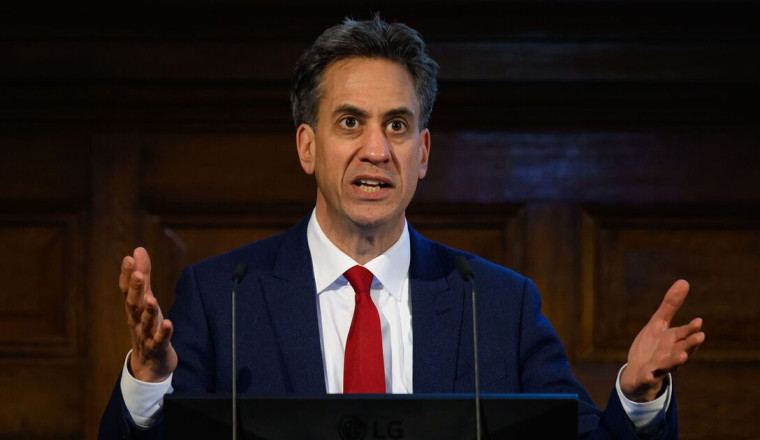
After the announcement, Ed Miliband said: “It is very important that the government has strengthened our commitment to our world-leading EV transition plan. This plan will benefit UK consumers by expanding the market for cars that are cheaper to run. And it will support our domestic manufacturing so we can seize this global opportunity.”
This all sounds great, but on the flipside this could backfire as well with campaigners at Transport and Environment warning firms could find themselves at a “cliff edge” by the end of the decade. They suggest manufacturers are effectively set up for failure, with many likely to enjoy flexibility over the next few years only to find they are short when the deadline hits.
Will firms be proactive and slowly transition to EVs, or build what’s selling now and worry about the rules later? Only to face fines? Slower-than-expected consumer demand for EVs means firms are likely to have all eyes on the bottom line rather than trying to move with the times.
But hefty fines for manufacturers missing the rule in five years time could be catastrophic with redundancies almost certain to follow. It means the ZEV mandate rule and 2030 car ban could be the catalyst for the end of the sector.
Labour needs to drop its strict eco rules now and allow consumer demand to naturally progress over to electric vehicles. EVs are good, with amazing technology that is adding genuine value to the roads. Once the prices come down, drivers will follow.