
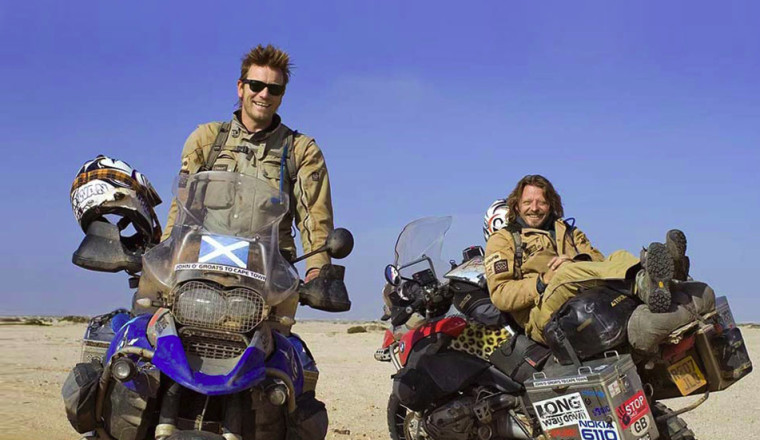

Back in 2004, when Ewan McGregor and Charlie Boorman embarked on their epic motorcycle journey around the world, titled Long Way Round, KTM had a prime opportunity to cement itself as the go-to adventure bike brand. The plan was for KTM to sponsor the trip, providing bikes fitted to showcase rugged reliability and spirit of adventure.
But KTM declined the sponsorship at the eleventh hour, reportedly worried the journey might fail or harm their brand. Instead, BMW stepped in and supplied their GS motorcycle line a move that pays dividends even two decades later. The Long Way Round series branded BMW Adventure motorcycles as the machines of choice for epic exploration. This exposure created a surge in popularity and sales unmatched in the adventure motorcycle segment.
After the Long Way Round TV series aired, sales of BMW GS motorcycles soared dramatically. The show sparked widespread demand for the rugged BMW GS models, despite their known challenges with weight and occasional breakdowns on tough terrain. The exposure made the GS the adventure bike of choice for a whole generation of riders, leading to long waiting lists and robust sales growth. By 2006, the R1200GS became BMW's best-selling model worldwide, helping rescue BMW Motorrad from financial trouble and cementing its dominance in the adventure motorcycle segment.
The Long Way Round story ignited the imagination of an entire generation of riders, turning BMW GS bikes into aspirational status symbols. Meanwhile, KTM had to watch its competitor ride off with a marketing win that paved the way for a boom in adventure motorcycle sales worldwide.
Today, BMW continues to reap the rewards through steady GS sales while KTM retains a strong reputation for off-road and race bikes but remains lesser known in the adventure touring market. The decision to pass on Long Way Round is widely regarded as one of KTM’s biggest missed opportunities in brand marketing history.