
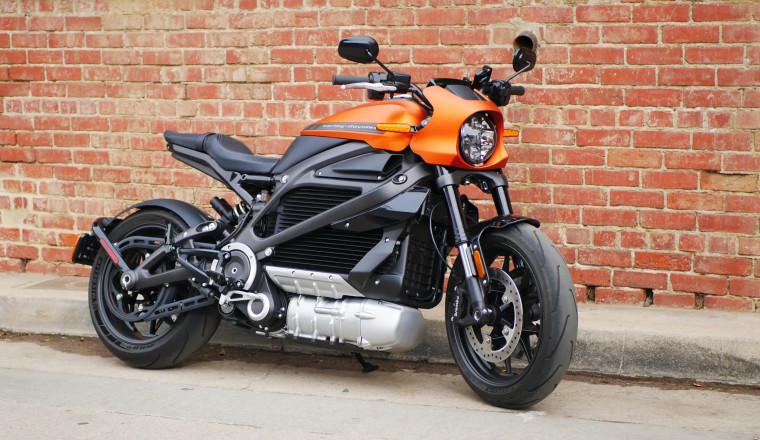

The plan was bold: to sell over 100,000 electric motorcycles annually by 2026, positioning LiveWire as a major player in the rapidly evolving electric vehicle market. For a brand famous for its roaring V-twins and decades of heritage, this was a significant pivot toward the future. Yet, nearly four years into this journey, LiveWire’s real-world progress illustrates the enormous challenges of breaking into the electric motorcycle arena.
At launch, Harley-Davidson’s vision for LiveWire was high. The company’s global expertise in motorcycling gave investors and fans reason to be hopeful. After all, no one knows motorcycles quite like Harley. Yet, the electric motorcycle market—as it turns out—is a different beast altogether. Despite the brand recognition and technological experience, LiveWire has struggled to convert its vision into volume sales.
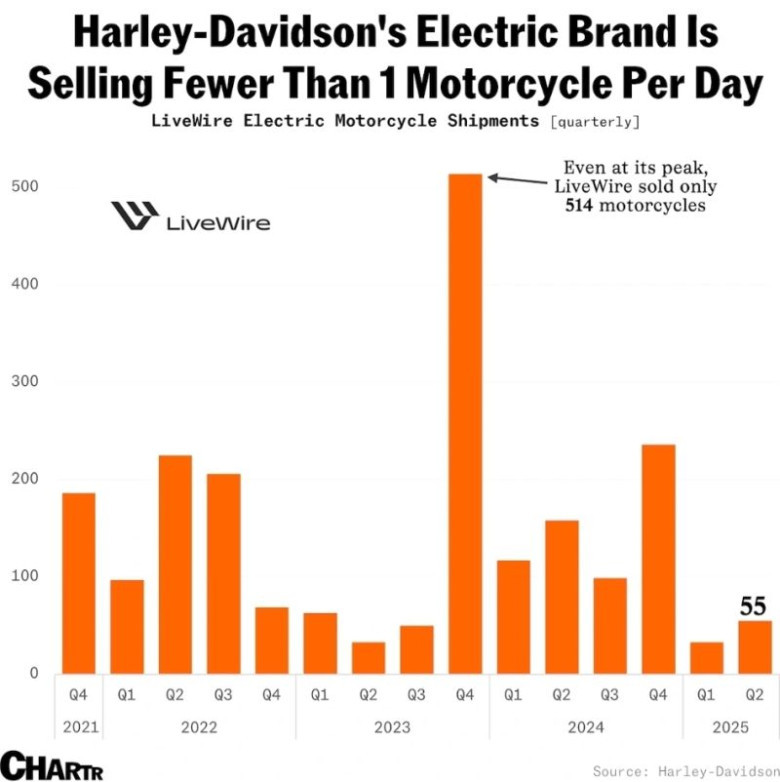
The early numbers were sobering. In 2021, the very first full year following the spin-off, LiveWire sold just 387 motorcycles—far short of its long-term targets. Fast-forward to the second quarter of 2025, and the sales puzzle looks grim. The company reported selling only 55 motorcycles in that quarter alone. To put that into perspective, that’s fewer than one bike every two days over three months—dramatically below the brand’s initial projections and the volume needed to build a sustainable electric business.
Even more concerning than the lackluster sales volume are the financial figures. LiveWire posted an operating loss of approximately $18.8 million in Q2 2025. This sizable deficit highlights the massive investment required to develop, market, and scale electric motorcycles in a nascent but fiercely competitive sector. Selling dozens of bikes per quarter simply isn’t enough to cover the costs or approach profitability.
Why is the electric motorcycle market proving so tough?
Several factors contribute. Firstly, the entry price point for electric bikes remains high compared to traditional motorcycles, which limits market accessibility. Secondly, charging infrastructure for motorcycles lags behind that for electric cars, especially in key markets. Thirdly, consumer awareness and acceptance of electric motorcycles are still in early stages, with many riders hesitant to switch from familiar gas-powered bikes.
Despite these hurdles, LiveWire continues to push forward with efforts to refine product offerings, reduce costs, and expand its market reach. However, the gulf between Harley’s original lofty sales aspirations and current reality presents a cautionary tale about the challenges of electrifying an industry steeped in petrol heritage.
In summary, Harley-Davidson’s LiveWire journey so far encapsulates both the promise and steep learning curve of the electric motorcycle revolution. The brand’s expertise and ambition set a high bar, but the numbers tell a story of tough market conditions and structural challenges. For LiveWire, and indeed the industry as a whole, the road ahead remains demanding—but with persistence and innovation, the electric future of motorcycling is still very much underway.