
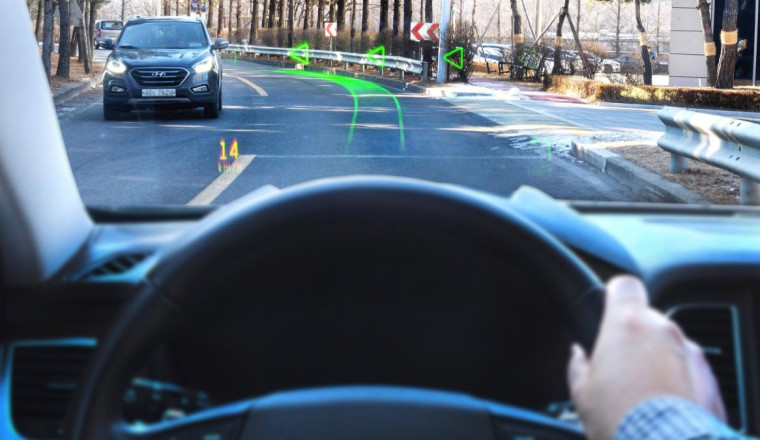

Built-in navigation systems were some of the earliest examples of what we now call “tech” in cars, but they’ve fallen behind the times. Compared to the other voice-control systems that are now part of everyday life, most navigation systems are rigid and robotic. But one of the biggest names in GPS hopes to change that.
TomTom is a major auto industry supplier, and at CES 2026 it announced a partnership with SoundHound AI to integrate the latter’s “conversational” AI software with its navigation systems. This will deliver a “natural, conversational voice interface that simplifies complex navigation tasks,” including setting routes with multiple waypoints and finding EV charging stations or other amenities, TomTom said. And that could solve an annoying issue with most of today’s navigation systems.
Some automakers—such as the German trio of Audi, BMW, and Mercedes-Benz—offer natural-language voice recognition systems that understand humans when they’re talking normally. But this tech hasn’t caught up with standalone GPS that might not be fully integrated with the elaborate infotainment systems you get in a luxury car. In those cases, drivers must often carefully phrase commands to get a response, and the voices giving directions when navigating often sound as artificial as they are.
Given the advancements in other forms of voice recognition, it’s surprising that many navigation systems can still be this bad. You’re likely to get a better experience from Siri or Google Assistant on your phone, which is part of why Apple CarPlay and Android Auto remain so popular. If automakers really want people to use their native systems, this needs to be addressed.
That’s why, in the flurry of CES business announcements, this one is worth paying attention to. A more natural-sounding approach could be a big improvement, and could be a genuinely productive use of AI to boot. AI isn’t very good at assessing damage to rental cars, but it is able to find patterns in human speech and mimic them with some accuracy.
TomTom will package the AI voice agent with its own navigation systems as a turnkey setup for automakers, who can then integrate it with their own infotainment systems. No specific deals have been confirmed yet, but the auto industry is definitely jumping on the AI bandwagon. At CES, Ford also announced an AI assistant of its own that will start showing up in vehicles in 2027.