
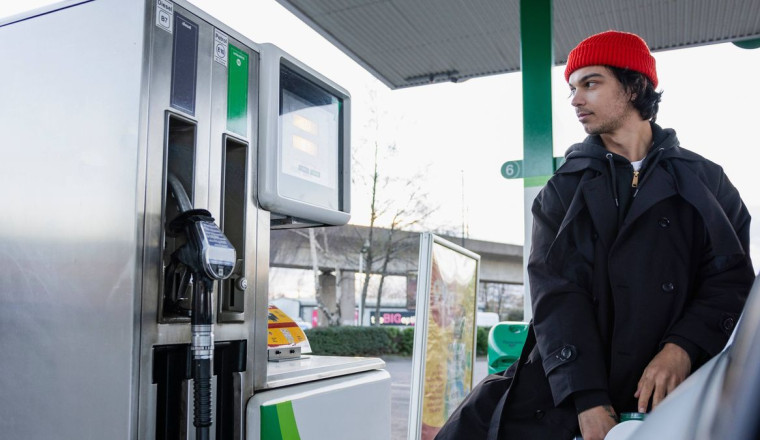

With conflict in Iran causing fuel prices to surge, Britons are watching their fuel gauges more closely than ever. However, motorists can slash 25 percent or more from their fuel bills by implementing a handful of straightforward modifications to their cars. These adjustments won't cost a penny but could deliver substantial savings.
The effectiveness of these modifications will differ depending on the vehicle, but with average petrol prices exceeding 150p per litre, even minor adjustments could add up significantly over a full tank.
Autocar's team has outlined four uncomplicated recommendations. In their article, they used their Dacia Sandero Stepway hatchback as a test case.
Their initial recommendation is ensuring tyre pressures are set correctly. When tyre pressures are inconsistent, this can have an impact on fuel economy by altering rolling resistance, reports the Express.
The second piece of advice involves clearing out any excess weight from the vehicle, such as rubbish or, when kids aren't being transported, child seats and similar items. Reducing weight means the vehicle becomes lighter and therefore requires less fuel to move.
The third recommendation focuses on minimising drag. Increased drag creates greater air resistance, forcing the engine to work harder to propel the vehicle through the air at speed.
The fourth item on the list might seem peculiar, but it could prove vital. It concerns activating certain vehicle systems in the correct sequence before starting the engine.
Autocar reports that Red Driver Training instructor Evan Morris highlighted how the sequence of actions before setting off can make a real difference.
They noted: "Morris is quick to note the small details when we get in - things like starting the engine before putting on seatbelts, every second the engine's running equating to fuel used.
"Put your seatbelts on before you've started it, then, likewise putting a destination into the sat-nav, changing the radio station or picking a favourite podcast."
After implementing these adjustments, the Autocar journalist reported a remarkable 12mpg improvement, rising from 48.0mpg to 60.4mpg.
Furthermore, these aren't the only specialists to have recommended changes that can impact fuel consumption. Many also advise British motorists to reconsider their driving habits behind the wheel.
In practical terms, this means adopting a smoother approach — being gentler on both the accelerator and brakes, and selecting higher gears at lower speeds to keep engine revs down. The higher the revs, the more fuel an engine will consume.
Speaking to the Express, Scott Greensmith from ClickMechanic advised: "Driving more smoothly and anticipating traffic ahead can make a noticeable difference to efficiency. Constant stop-start driving and sudden bursts of speed force the engine to work harder, which uses more fuel over time."
Context:
Simple tire pressure checks and weight removal can boost fuel efficiency by up to 25% for free.
Context:
Rising fuel costs make these no-cost modifications essential for reducing household transportation expenses.
Context:
Smooth driving habits like gentle acceleration can further improve MPG beyond these four basic changes.