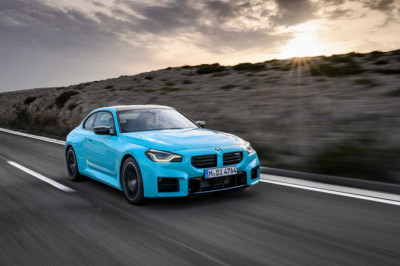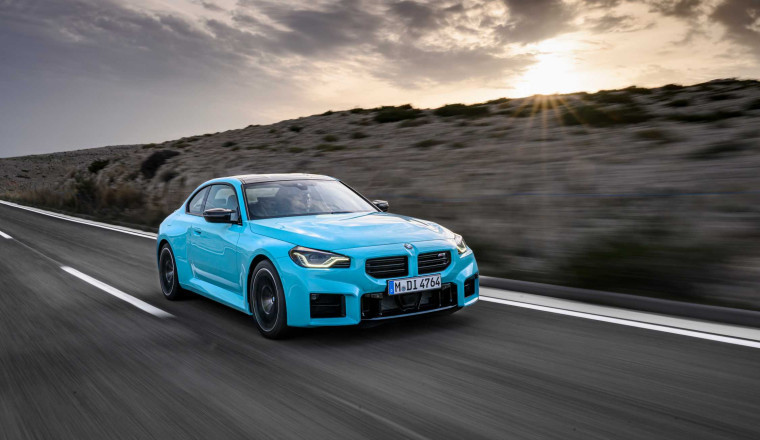

BMW has done the unthinkable. The M2, that last bastion of compact rear-wheel-drive fury, now comes with all-wheel drive. At £74,000, the new M2 xDrive represents the first time in the model's eight-year history that you can send power to all four wheels. The automotive internet is predictably losing its mind.
The announcement came as BMW expanded the M2 lineup for 2024, adding the xDrive variant alongside the traditional rear-wheel-drive model. The all-wheel-drive system shaves precious tenths off the 0-60 sprint, though BMW hasn't released exact figures yet. What they have confirmed is the same 3.0-liter twin-turbocharged inline-six producing 473 horsepower, now distributed through BMW's intelligent xDrive system with rear-wheel bias.
This move positions the M2 directly against the Audi RS3 and Mercedes-AMG A45 S, both all-wheel-drive monsters that have dominated the compact performance conversation. BMW clearly wants a piece of that action, even if it means ruffling feathers among the faithful.
The reaction from enthusiasts has been swift and brutal. Forums dedicated to BMW M cars are filled with declarations that the brand has "lost its soul" and "sold out to the masses." One particularly heated discussion on a popular M2 owners group saw dozens of members threatening to sell their cars before BMW "ruins the whole lineup."
The anger runs deeper than simple nostalgia. The original M2, launched in 2016, was celebrated precisely because it bucked the trend toward all-wheel drive that had already claimed the larger M3 and M4. Here was a car that could still rotate its rear end, that demanded skill from its driver, that felt properly connected to the road surface.
Like this? Get the app: iOS | Android
BMW's defense is simple mathematics. All-wheel drive means faster acceleration, better grip in adverse conditions, and broader appeal to customers who might otherwise choose German rivals. The £74,000 price tag positions it as a premium offering, suggesting BMW expects buyers to pay extra for the security of four driven wheels.
What BMW hasn't said is whether this signals the eventual death of rear-wheel-drive M2 variants entirely. The company continues to offer both versions for now, but automotive history is littered with "traditional" variants that quietly disappeared once all-wheel-drive sales took off.
The broader context matters here. BMW's M division has been steadily expanding its reach, adding all-wheel drive to models that never had it before and creating variants that prioritize accessibility over purity. The M2 xDrive fits this pattern perfectly, delivering performance that fewer drivers can mess up.
Some industry observers point out that BMW is simply responding to market reality. Customers want the security of all-wheel drive, especially at £74,000. They want to use their cars year-round, in all weather, without worrying about losing control in a moment of enthusiasm.
The irony is that the original M2 was itself a response to customer complaints that BMW had gone soft. Now, eight years later, BMW is going soft again by making the M2 more forgiving and more broadly capable.
Whether this represents progress or decline depends entirely on what you value in a sports car. The M2 xDrive will undoubtedly be faster and more confidence-inspiring than its rear-drive sibling. It will also be less challenging, less involving, and less likely to teach you anything about car control. For £74,000, you get to choose which of those qualities matters more.
Sources: BMW official announcement, automotive forums and community reactions as reported across multiple platforms.