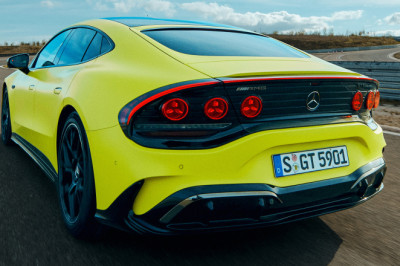

Fog lights are meant for thick fog and low visibility, not for show. Too many drivers slap front fog lights on for style, blinding others, while rear fog lights can be ten times brighter than brake lights and cause serious hazards.
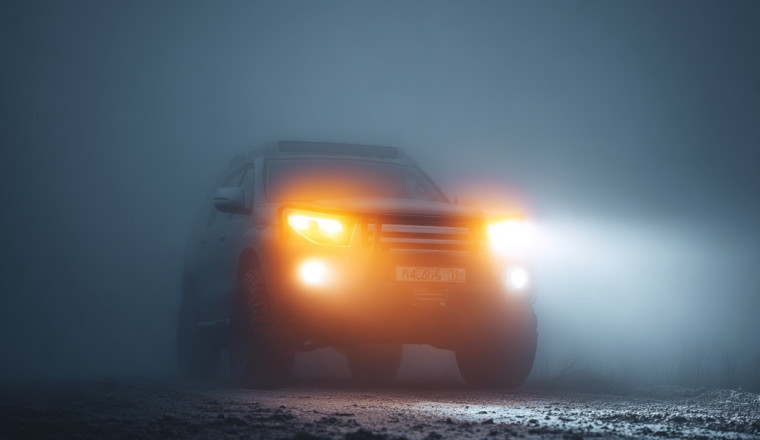

Fog lights have one job pierce through dense fog or heavy rain when visibility plummets below 100 meters. Yet so many drivers fail this basic rule, swapping function for fashion by adding fog lights just to give their cars a flashy edge. This misuse is far from harmless.
Front fog lights sit low on the bumper for a reason to cast a wide, focused beam that cuts under the fog without reflecting back in your eyes or others. When used on clear roads or lightly misty days, these lights shine like mini searchlights, blinding oncoming drivers and causing dangerous glare. They are not headlights for street cred.
Rear fog lights take the problem up another level. Designed to alert drivers during pea soup fog or torrential rain, they are strobe-bright up to ten times brighter than ordinary brake lights. Few realize the menace when rear fogs are left on needlessly. Trails of dazed or confused drivers trying to interpret the flashing lights are all too common, and some cars even have two rear fog lights, doubling the confusion.
Road safety experts and authorities stress fog lights are serious safety tools, not styling accessories. Use front fogs only when visibility drops dramatically, and switch them off as soon as conditions improve. Rear fog lights are for extreme cases only. Misusing them risks fake brake signals and accidents.
The law reflects these safety concerns. Running fog lights in clear weather can be illegal, and insurance claims might be compromised if fog light misuse contributes to an accident.
In short, fog lights are for true fog, not for show. Treat them with the respect they deserve and save other drivers from dazzling hazards that turn a safety feature into a menace.