


The first part of the UK to introduce restrictions for new drivers has confirmed when rules will come in. Northern Ireland is set to bring in tougher rules for newly qualified motorists.
The plans to roll out graduated driver licensing (GDL) across the country this October have been hailed by Stormont's Infrastructure Minister Liz Kimmins as the "most significant reform to driver licensing and testing in almost 70 years".
GDL represents a road safety initiative aimed at cutting the disproportionate number of new and young motorists involved in severe crashes. The measures involve bringing in an overhauled training, testing and post-qualification system for novice drivers and motorcyclists.
The proposals include:
– A compulsory minimum learning period of six months before a learner driver can take their practical driving test.
– A programme of training which must be completed and recorded in a logbook before a learner driver can take their practical driving test.
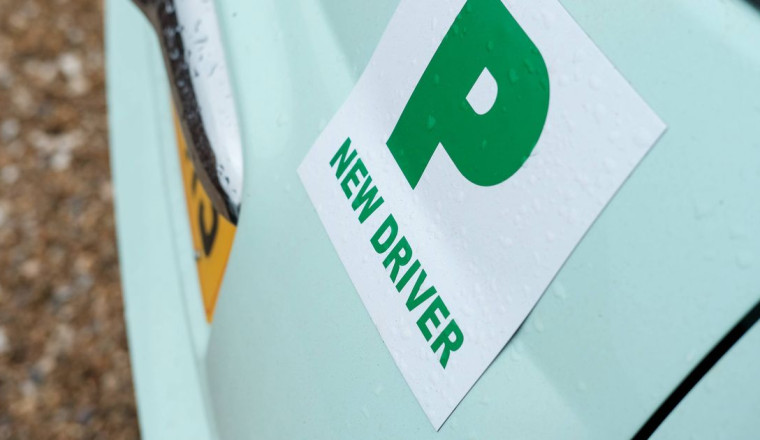
– An extension of the restriction period from the current 12 months to 24 months, requiring new drivers to display a plate on the vehicle for two years after receiving a full licence.
– A period of six months with night-time driving restrictions for new drivers under 24.
– Age-related night-time passenger restrictions for newly qualified drivers, with exemption for immediate family members. Under GDL rules, 'L' plate drivers can use motorways provided they're supervised by a qualified driving instructor.
After successfully completing their test, learners receive the new 'R' plate, which permits motorway driving at full speed limits. During 2025, road traffic collisions claimed 56 lives across Northern Ireland.
Ms Kimmins said: "I am announcing the most significant reform to driver licensing and testing in almost 70 years. These changes are aimed at young drivers who are sadly most likely to be killed or seriously injured on our roads.
"In 2024, there were 164 casualties (killed or seriously injured) from collisions where a car driver aged 17-23 was responsible. This age group of drivers accounts for 24% of fatal or serious collisions despite holding just 8% of licences."
The minister explained the goal was producing safer motorists.
She continued: "The introduction of GDL plans to achieve this through a structured approach to learning to drive, including the completion of a programme of training and logbook.
"This will better prepare drivers for both the driving test and initial post-test driving period by helping learners understand how human factors such as their attitude, personality, behaviour and feelings affect their driving style.
"Road safety is a priority, and GDL will be a valuable tool to help me ensure everyone who uses our roads does so safely."
A public safety initiative is set to be rolled out in the coming weeks before the measures come into effect on October 1.