
Formula 1 teams are to discuss a downforce reduction plan for 2027 as part of an effort to improve energy management of the current cars, The Race can reveal.
Amid an ongoing push from the FIA to introduce further refinements to the current ruleset, the aerodynamic performance of the cars is now being looked at.
Analysis of the early 2026 races has highlighted that the performance of cars through corners is having a big influence on the amount of energy available, because the quicker the cars are through turns the less they can harvest.
The FIA's single-seater director Nikolas Tombazis revealed recently that some of the current energy-management issues experienced by drivers were because teams had produced cars that were performing at a higher level than motorsport's governing body anticipated.
Asked by The Race about cars not having enough energy to run as flat-out as some want, Tombazis said: "One of the reasons it hasn't been right there from the start is that cars are going a bit faster [than anticipated].
"They [the teams] have found a bit more downforce than we were expecting, and therefore the energy recovered during braking is a bit lower than it would normally be.
"So we have a bit more of a challenge than we would have liked to have."
Alternative proposals
The conclusion about the impact of aerodynamic performance has prompted the FIA to open discussions with teams about a desire to pull back downforce levels for 2027.
Sources have revealed that talks are to begin in F1's Technical Advisory Committee based on a wish by the FIA to reduce downforce levels due to two separate factors.
One is the benefits this will bring in improving energy management, because slower cars in corners will recover more energy.
The other is that, by cutting back on downforce, there is no risk of there being safety issues triggered through forces being exerted on the tyres being too high.
The concern on this second element is that with teams having already produced cars that are delivering higher aerodynamic loads than expected, rapid gains over this season and into next year could push things too far.
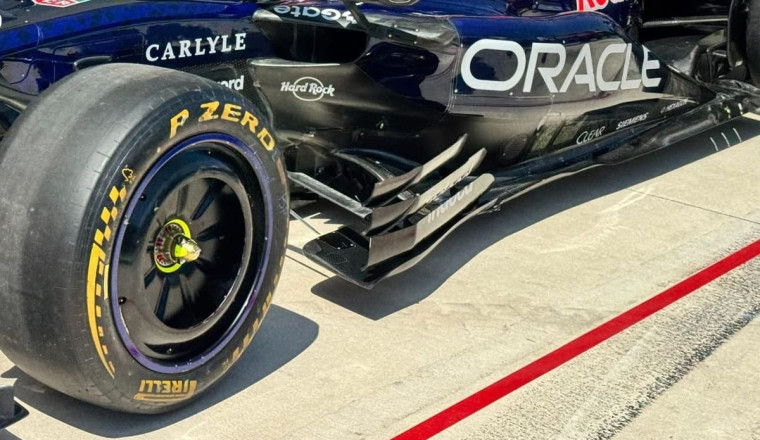
It is understood that there are three main downforce-reducing proposals up for discussion, which will focus on tweaks to some critical areas of the car such as the front wing, floor, and architecture in front of the sidepods.
The different options revolve around an estimated drop in downforce levels of 20, 30 or 50 downforce points, based on the level of aggression of bodywork tweaks suggested.
The safety card
Any move to change the technical regulations to help with energy management will require support from teams to go through the correct governance process.
However, the FIA's reference to there being potential safety aspects in play because of the tyres does give it the possibility to act unilaterally.
F1's technical regulations contain a specific clause that says: "Any changes made by the FIA for safety reasons may come into effect without notice or delay."
Tombazis has said he is satisfied that the overall aerodynamic package of the 2026 cars has worked in helping reduce the influence of dirty air, so it is purely the downforce numbers that need attention.
"We do have an option to reduce the downforce a bit in order to make sure it doesn't just continue developing over the cycle and so on," he said.
"Overall, from an aerodynamic point of view, I think the rules are working quite well, meaning that the following is quite good. You can see that also sometimes with cars quite close to each other, even in grip-limited conditions. So we think that side has worked quite well.
"But we keep monitoring the performance of the cars, and we will make sure that, obviously through the governance process, cars remain roughly in the right envelope of performances that they need to be."
A downforce reduction for 2027 could be a valuable tool for helping improve things because any hardware tweaks to the power unit, such as through an increase in fuel flow, is not thought to be realistic until 2028 at the earliest.
That is because with the timeframes required for modifications to be made to power unit designs, as well as potential chassis revisions needed to increase the size of fuel tanks, it is already too late for some teams to do this for 2027.
Bib safety
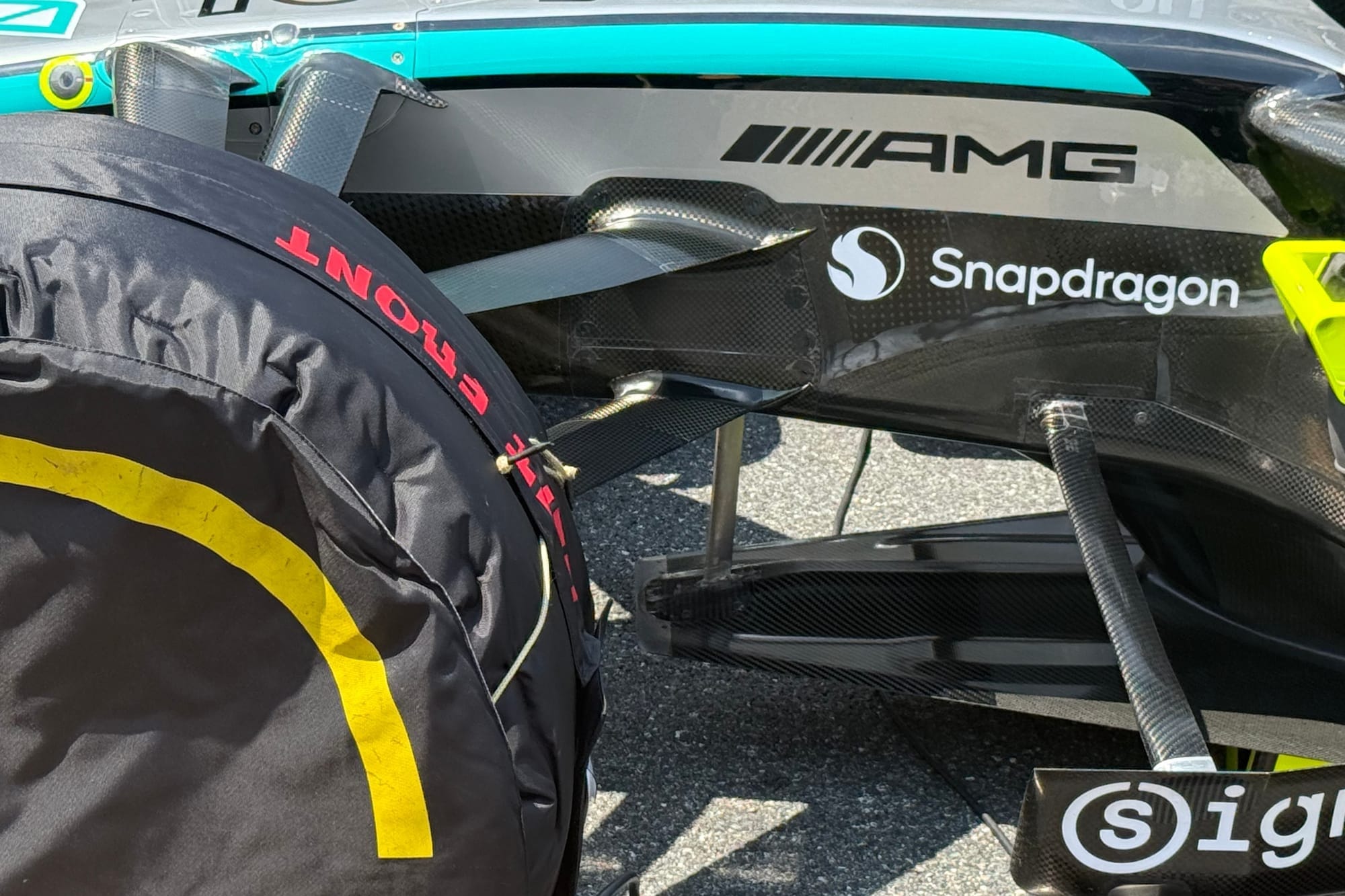
One other car change being looked at for next year on definite safety grounds, which could also reduce downforce, relates to the front area of the floor known as the bib.
Early analysis of the 2026 cars by the FIA has shown that the current designs are extending quite far forward.
This has prompted concerns that if one car is launched over another, there is a risk of the longer bibs fitting through the gap in the halo and potentially hitting drivers.
Discussions are due to take place with teams regarding how best to reduce their size for next year.