
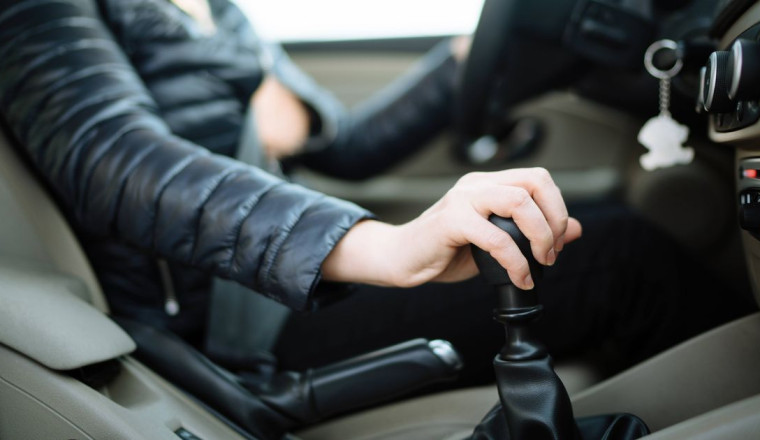

Understanding when to shift gears is one of the trickiest aspects of driving. If you're still learning or have recently passed your test, gears can feel quite daunting, as it's not always clear whether you're making the right choice in particular scenarios. Even experienced motorists who change gears instinctively might struggle to explain precisely why they're dropping into second or moving up to fifth. Yet there's a very specific logic behind raising or lowering your gear selection.
The fundamental principle to grasp is that your gear should increase as your speed rises. For instance, second gear suits slower speeds up to 20mph, whilst fifth gear is designed for higher speeds between 40-70mph, typically used on dual carriageways and motorways. However, as one driving instructor pointed out, there are certain circumstances where you'll want a lower gear than usual, and recognising these situations is crucial.
Annie Winterburn, a seasoned driving instructor and theory specialist, explained in a TikTok video that the key thing to understand about lower gears is that they deliver more power to your wheels whilst providing reduced speeds.
The seven-word mantra she urges drivers to memorise is: "Lower gears give power and engine braking."
Annie broke it down: "The lower gears in your car send more power to your wheels. You need more power when you're going up a steep hill, or if you want to speed up quickly. So lower gears give more power.
"Lower gears also give you more engine braking. You need engine braking when you're going down a steep hill."
However, Annie pointed out there's one exception to this rule - icy conditions.
In slippery weather, opting for a higher gear than you'd normally use for your speed can prevent your wheels from spinning on ice and give you better control of your vehicle compared to a lower gear.
She clarified: "You need a lower gear for going up a steep hill, a lower gear for going down a steep hill, and a lower gear to speed up quickly. But you would use a higher gear than normal when you're driving on ice to prevent your wheels from spinning."
The timing of gear changes differs depending on your car's engine power. However, according to Bill Plant Driving School, the basic principle is that gears should shift in line with your car's speed.
The standard guideline is:
First gear is for starting your car and moving off. Typically, you shouldn't use it for driving, and you should shift to second gear almost immediately after you begin moving.
The experts advised: "You should always listen to your car. If you're revving your car and it's making high-pitched noises, you'll probably need to go up a gear."