
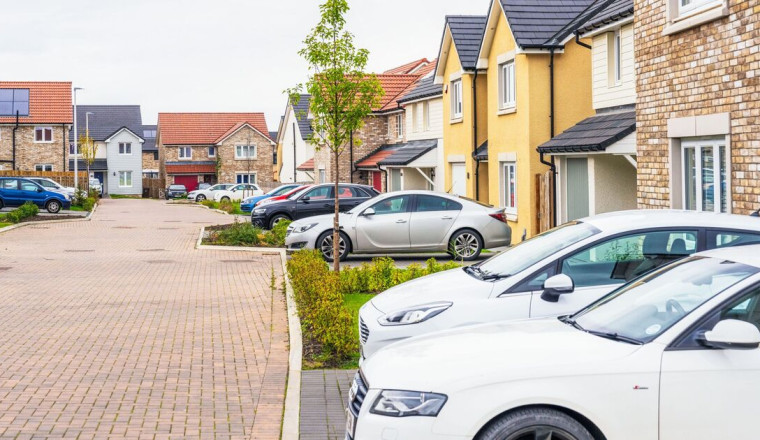

New driveway rule changes which will affect every house in England could save drivers over £1,000 per year for various reasons. In May 2025, officials decided to cut red tape around electric vehicle chargepoints, making it easier than ever to get plugs installed.
Under the changes, motorists no longer require planning permission to install the devices on their own land, making it easier than ever to make the transition. The Department for Transport explained the news would help to ease accessibility for EVs, helping road users to possibly “save up to £1,100 a year”.

GOV.UK said: “By cutting down on paperwork, more EV owners with a driveway will find it easier, quicker and cheaper to install a private chargepoint and power up their EVs at home. This will unlock savings of up to £1,100 a year compared to running a petrol or diesel car.”
It’s not just homeowners, with those renting or owning a flat with on-street parking able to receive up to £350 off the price of installing a home charging plug. Select Car Leasing has previously explained that by securing an electric car and charging at home, road users “can save £100s a year on fuel.”
For those travelling around 10,000 miles per year, road users could save around £1,039 with electricity so much cheaper than petrol and diesel costs. The experts suggested the average motorist completing 10,000 miles could spend as much as £1,597 on fuel over a calendar year.
In comparison, those charging an EV at home may pay just £558 over the same period of time. However, the new rule will also ensure motorists charge at home instead of relying on public bays where costs are higher.
Electricity at home is charged at 5% VAT, compared to 20% VAT in public, meaning those regularly using rapid plugs at service stations are likely paying more than necessary. Eon previously explained that those charging their EVs at a public bay would likely be paying £1,561 per year.
In comparison, topping up using the average standard home electricity rate would cost around £633 per annum, with some specialists tariffs even lower.
The RAC said: “The cost of charging at home remains significantly cheaper than using a rapid or ultra-rapid public charger, even with high domestic energy prices.”