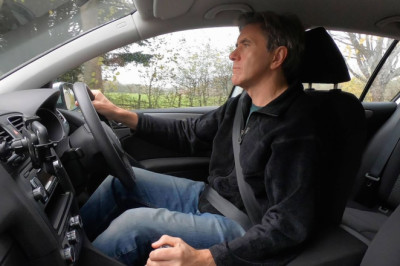


Brits who suffer from certain sleeping conditions must inform the Driver and Vehicle Licensing Agency (DVLA) or risk a fine of up to £1,000. You could also face prosecution for failing to let them know. On the Government website it explains that “excessive sleepiness” may be deemed a problem when it comes to driving.
This could even mean you are no longer fit to be behind the wheel. “Excessive sleepiness means that you have had difficulty concentrating and have found yourself falling asleep - for example while at work, watching television or when driving,” it says. This could be the result of diagnosed sleeping conditions.
On GOV.UK it clarifies that you “must” tell DVLA if you have:
It says: “You must not drive until you’re free from excessive sleepiness or until your symptoms are under control and you’re strictly following any necessary treatment.” You can be fined “up to £1,000” if you do not tell DVLA about a medical condition that affects your driving.
GOV.UK continues: “You may be prosecuted if you’re involved in an accident as a result. Ask your doctor if you’re not sure if your excessive sleepiness will affect your driving.”
However, there are other physical issues that require you to inform the DVLA. GOV.UK lists various medical issues that must be reported, including fairly common ones like diabetes, anxiety, arthritis, and high blood pressure.
Once a condition is reported to the DVLA, the agency will assess the situation and determine the appropriate action.
Conditions that must be reported are those that could impair safe driving. These include:
For a full list, visit the Government website here. If your condition does not appear on the list but you believe it impacts your driving, it's advised to contact the DVLA.