
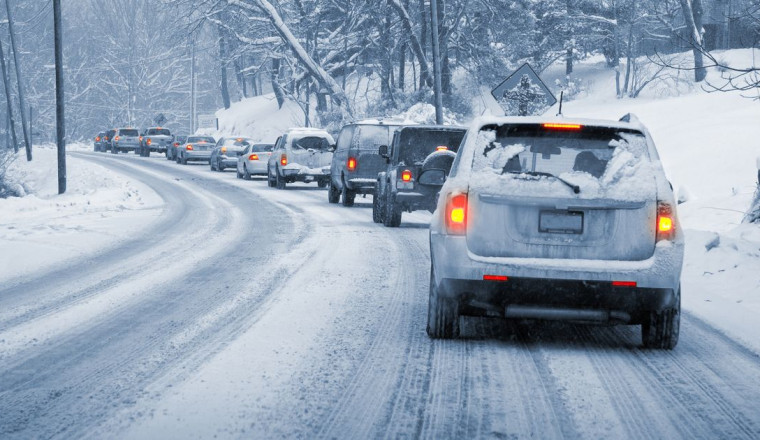

Weather maps suggest that a 'Beast from the East' storm could soon bring more snow to the UK. On February 8, the GFS weather model shows a mass of snow forming to the east of Britain. Although initial flurries in northern England and Scotland will be light, the maps suggest this weather front could collide with another coming from the south, leading to snow falling right across the country.
With this in mind, UK motorists are being urged to make one change to how they drive – dramatically increase stopping distances to avoid collisions. Car insurance experts from Quotezone.co.uk warn that stopping distances in snow and ice can be up to 10 times longer than normal, with wet roads requiring at least double the usual distance.
With accident rates six times higher between October and March, this is a timely safety reminder for drivers to adjust their speed, maintain safe distances, and check tyres and visibility before setting off.
As driving conditions become more difficult and potentially hazardous, the experts say it's crucial that motorists understand how dramatically stopping distances can increase.
In dry weather, the Highway Code advises stopping distances of 23 metres at 30mph, 53 metres at 50mph, and 96 metres at 70mph - the equivalent of around 24 car lengths.
However, these distances can increase significantly in winter. Snow and icy conditions can require up to 10 times the usual distance, while wet weather demands at least double the normal stopping distance.
It’s also important to remember that stopping distance isn’t just about braking. It also includes thinking distance - the distance a vehicle travels from the moment a driver perceives a hazard, to the time they react by applying the brakes, allowing the vehicle to come to a complete stop.
If drivers are tired, stressed or distracted, it can affect the thinking distance and reduce the speed at which drivers react, taking even longer for the vehicle to come to a halt.
Many people turn to sites such as Reddit for advice on driving safely in snowy conditions. However, it's important to get expert advice.
Greg Wilson, CEO and car insurance expert at Quotezone said: “It’s crucial that drivers don’t underestimate winter weather and are fully prepared for worsening conditions.
“With accidents more likely throughout the winter months, remembering stopping distances and giving other drivers plenty of space is key – the more time and visibility drivers have, the more likely they will be able to react in time and avoid dangerous situations.
“If drivers are involved in an accident when driving in ice or snow, their insurer could challenge the claim if they were found to be driving negligently, such as ignoring safety advice or speeding – drivers need to adhere to the rules of the road no matter what the conditions, to avoid reckless driving.”
Quotezone.co.uk have shared their top tips for driving safely this winter below.
Increase your stopping distance
Double your stopping distance on wet roads and increase the distance up to 10 times the normal amount when roads are icy and snowy.
Reduce your speed
You have more time to react to hazards and maintain control when you’re driving at a lower speed. Speed limits are the absolute maximum speed you can legally travel - when conditions are poor, drive below the speed limit.
Leave plenty of space
Your visibility can be reduced by fog, frost, or heavy rain. Always keep extra distance between yourself and the car in front during these weather conditions.
Check tyres before driving
Before you set off, ensure tyre tread is above the legal minimum UK limit of 1.6mm and that tyres contain enough pressure – accurate tyre pressure improves grip.
Keep windows and lights clear
Frost, ice, snow, and condensation should be removed from all windows before setting off, and when visibility is low, use headlights to make sure you are visible to others.
Brake gently
Where possible, use engine braking to maintain control, and when driving in ice or snow, avoid sudden braking or acceleration.
Be prepared for black ice
Locations such as shaded roads, bridges and overpasses are most commonly prone to black ice. If you hit black ice, don't hit the brakes, maintain your speed and keep the steering wheel straight, avoiding any sudden movements.
Pack winter essentials
Carry an ice scraper, de-icer, warm clothing, a blanket, and emergency supplies - ensure you keep your phone charged or carry a portable charger in case of emergencies.
Adjust for fog and poor visibility
Slow down and increase the distance between yourself and the vehicle in front. Use low-beam headlights when driving in fog and only turn on fog lights when visibility drops below 100 metres.
Plan your journey
Look at the weather forecast and check for traffic updates before setting off, allowing extra time to reach your destination when conditions are poor. If weather warnings are in place only travel if it is essential.