

UK drivers should start their journeys in second gear as of Tuesday, according to advice issued by the Met Office.
The weather agency has issued multiple yellow weather warnings over the next few days, which include forecasts of snow expected to hit various areas across the country. As a result, drivers have been warned to take extra precautions if required to make journeys in the snow.
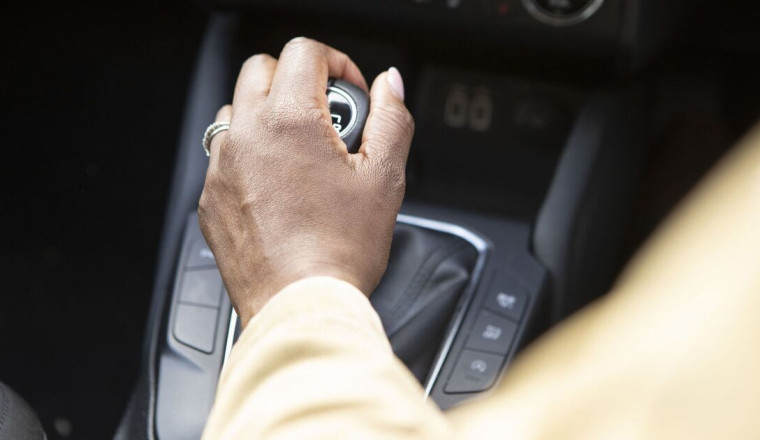
The Met Office noted that "it is safer not to drive in heavy snow and icy conditions, but if you absolutely must drive, keep yourself and others safe". With that, the agency revealed which gear drivers should start their journeys in.
The Met Office says that "starting in second gear will help with wheel slip". Wheel slip is the loss of traction between the wheel and surface, and is common during harsh weather conditions such as snow and ice.
Wheel slip can cause loss of steering control, braking, and acceleration, leading to several safety hazards. Therefore, it is essential that if you must drive during particularly challenging conditions, you take every necessary measure to ensure your safety on the roads.
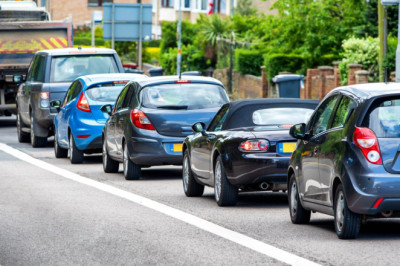
The Met Office also advises motorists to use dipped headlights, to accelerate gently and use low revs. It also suggests changing to higher gears quickly, maintaining a safe and steady speed and keeping a constant speed up hills. Finally, it advises to keep a distance from other vehicles, to use a low gear to go down a hill, steering into skids and not taking your hands off the wheel or slamming on the brakes.
The first weather warning is in place from 7pm today (Monday, November 17) until 10 am tomorrow (Tuesday, November 18), and then there are several yellow weather warnings that start from as early as 5am tomorrow, with the last one ending Thursday, November 20.

The Met Office warns Brits to expect travel delays, including road closures, and cancelled bus and train services, potential power cuts, and injuries from slips and falls on icy surfaces.
It said: "Snowy, wintry weather can cause delays and make driving conditions dangerous, so to keep yourself and others safe: plan your route, checking for delays and road closures, amending your travel plans if necessary; if driving, leave more time to prepare and check your car before setting off; make sure you have essentials packed in your car in the event of any delays (warm clothing, food, water, a blanket, a torch, ice scraper/de-icer, a warning triangle, high visibility vest and an in-car phone charger)."
The Met Office also advised people to stay up to date with local weather forecasts as weather warning can change quickly.