
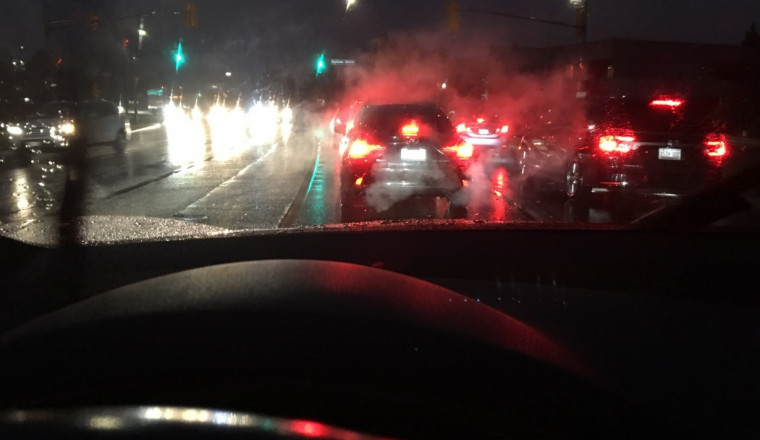

Every autumn, when the clocks roll back and the evenings suddenly darken, something unsettling happens on the roads. Drivers who’ve spent months commuting in daylight now find themselves squinting into oncoming headlights, dealing with glare, shadows, and the steady fatigue that comes from early dusk. And the data backs up what many feel instinctively ... road safety takes a hit the moment daylight saving ends.
According to the AA’s Accident Assist division, collisions between 4 p.m. and 7 p.m. rise by 11% in the three weeks after the clocks go back compared to the three before. Evening darkness triggers what the AA’s Tim Rankin has dubbed “crash hour,” as rush-hour drivers face not just traffic congestion but reduced visibility, wet roads, and low winter sun.
The danger peaks during early evening commutes, when drivers who aren’t used to night conditions suddenly confront glare, headlight dazzle, and fatigue. Tesco Insurance data supports the pattern, showing a noticeable bump in evening accident claims immediately after the shift. Four in five drivers surveyed admitted they dislike driving in the dark nearly half struggle most with being blinded by modern LED headlights.
Department for Transport figures paint a starker picture: fatalities are 33% more likely after dark, with collisions on urban 30–40 mph roads more than doubling once the sun sets. And while traffic volumes drop in winter, the rate of serious incidents doesn’t an unsettling sign that visibility, not congestion, is the real killer.
Safety advocates like Project EDWARD founder James Luckhurst say the fix starts with awareness. Drivers must slow down, increase following distances, and prepare for the shift before it happens not after the first near miss. As he puts it, “It’s about knowing the light will change and adapting before it catches you out.”
Darkness isn’t just inconvenient; it’s genuinly deadly.