
By JOHN-PAUL FORD ROJAS, DEPUTY BUSINESS EDITOR
The owner of Vauxhall and Peugeot has taken a £19billion hit from its botched push into electric cars.
In a screeching U-turn that sent its shares down by as much as 30 per cent in early trading, Stellantis announced a dramatic 'reset' that will see it scale back production of electric vehicles (EVs) as drivers shun eco motors.
It follows write-downs by other car makers, including Ford and General Motors (GM), as they slow their shift away from petrol and diesel.
The retreat is being driven by President Donald Trump's administration and its policies in the US – where subsidies have been rolled back – as well as weaker-than-expected demand for EVs. The EU is also planning to water down its lower emissions targets.
New car sales figures this week showed demand for EVs in the UK has stalled so far this year.
Stellantis chief executive Antonio Filosa said: 'The charges announced [yesterday] largely reflect the cost of over-estimating the pace of the energy transition that distanced us from many car buyers' real-world needs, means and desires.
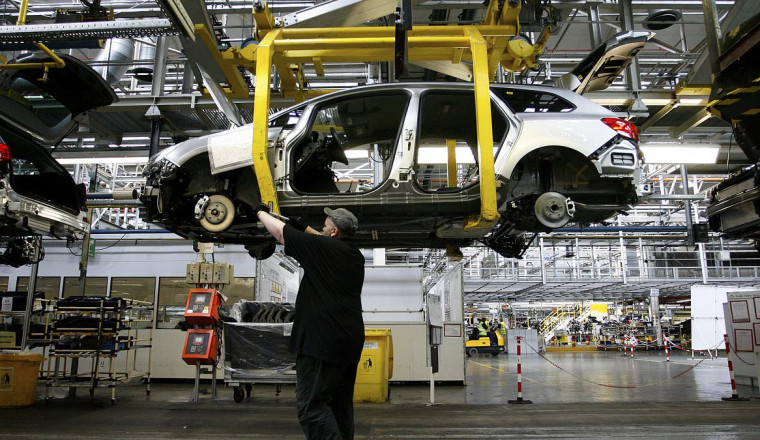
Taking a hit: Stellantis announced a dramatic 'reset' that will see it scale back production of electric vehicles
'The reset we have announced is part of the decisive process we started in 2025 to once again make our customers and their preferences our guiding star.'
The plunge in the firm's Milan-listed shares knocked as much as £6billion off its value. They eventually fell more than 25 per cent yesterday.
Filosa began scaling back EV ambitions after becoming chief executive of the Fiat and Jeep maker last year.
His predecessor, Carlos Tavares, had made an aggressive push into electrification, which was blamed for a prolonged sales decline in Europe and in the group's former profit powerhouse, North America.
Stellantis said that it would 'continue to be at the forefront' of the development of EVs.
But in an admission that the attempt to switch to greener vehicles had been going too fast for consumers, a spokesman for the car giant said: 'That journey continues at a pace that needs to be governed by demand rather than command.'
Stellantis said it was committed to 'freedom of choice' for motorists who preferred to stick with traditional internal combustion engine vehicles, or hybrids, rather than moving to purely battery-driven cars.
The company's financial hit includes write-offs related to vehicles that have been cancelled or are now expected to sell in 'considerably' lower numbers, as well as charges related to scaling back its EV supply chain and other changes in its operations.
Stellantis said it would not pay a dividend this year.
Affiliate links: If you take out a product This is Money may earn a commission. These deals are chosen by our editorial team, as we think they are worth highlighting. This does not affect our editorial independence.