
By RORY TINGLE, HOME AFFAIRS CORRESPONDENT
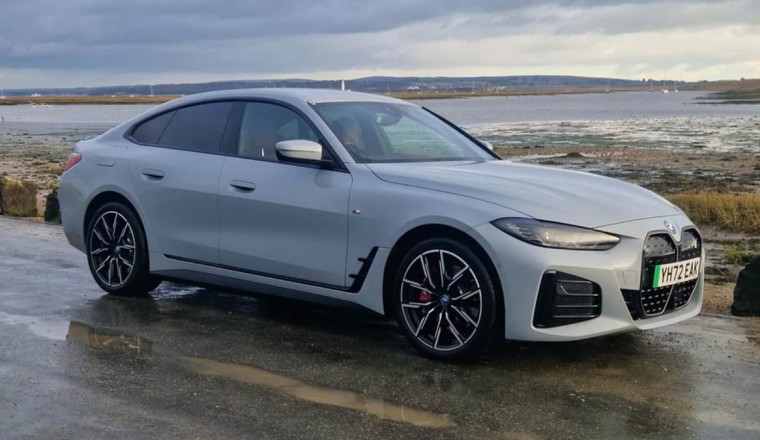
BMW and Mercedes cars have been removed from the Motability scheme after Rachel Reeves said it was 'unfair' to lease luxury models to benefits claimants.
Motability announced it will 'immediately' stop offering the luxury brands, in addition to vehicles made by Audi, Alfa Romeo and Lexus.
The programme allows disability benefit claimants to swap their mobility allowance for a lease on a new car, which are also exempt from VAT and insurance premium tax.
While many disabled people rely on Motability cars to get around, the perk has been criticised for allowing those with more minor conditions to claim taxpayer-funded cars, and for offering luxury marques.
Currently, 85 per cent of claimants make additional payments to get better models. And out of the 300,000 vehicles currently leased through the scheme each year, only 10 per cent are wheelchair adapted.
Ms Reeves, the Chancellor, previously shared concerns that Motability was offering 'a premium motoring experience subsidised by the taxpayer' that was out of reach to many working families.
The switch means Motability claimants currently driving BMWs and Mercedes will have to move to another brand next time they change vehicles under the scheme.
Motability has vowed to increase their use of UK-made cars and aims for 2035 to be the first year that half of the vehicles leased through the scheme are British.
For an upfront payment of £7,999, customers have previously been able to walk away with a brand-new BMW i4 M Sport, which retails at £50,000
Claimants could have previously got a Mercedes-Benz CLA Coupe for the same upfront price
Figures show nearly ten per cent of people in parts of the UK are entitled to lease a vehicle through the initiative.
Among those eligible for the initiative are people receiving an enhanced rate of the mobility component of the Personal Independence Payment (PIP), which is intended to help with the extra costs of living with a disability or health condition.
These PIP claimants can choose to swap a portion of their payments for a new car, scooter or powered wheelchair.
Research by the Daily Mail revealed the ten areas in England and Wales with the highest proportion of people in receipt of enhanced PIP who could be entitled to claim for a vehicle.
Blaenau Gwent in south-east Wales came top, with 7.4 per cent (4,999) of local people receiving the benefit.
Seven other areas in the top ten were also in Wales, while Knowsley on Merseyside came fifth with a claim rate of 6.2 per cent.
Blackpool came tenth, with 5.6 per cent of residents (8,112) on enhanced PIP.

The Conservatives have repeatedly accused Labour of allowing PIP claims to 'spiral out of control' under their watch.
The cost of Motability - which accounts for more than one in five new cars sold in Britain - increased by almost 10 per cent from £2.8billion to £3.074billion last year.
The Department for Work and Pensions (DWP) does not directly fund Motability, but the scheme allows disability benefits claimants to directly exchange their mobility allowance for a new car.
By handing over £60 of their weekly PIP mobility benefit, a claimant can find themselves driving away with an all-electric Dacia Spring – retail price £15,000 – for no upfront cost.
In exchange for the full £75.75 weekly allowance, a claimant can lease a petrol Nissan Juke SUV – retail price £23,000.
Once the lease on a vehicle is up, Motability sells it on the open market, with the profits going back into the company.
Motability's 860,000 users are also exempt from paying VAT or insurance premium tax on their leased vehicles.
Scrutiny of Motability has grown as use of the scheme has exploded by a third since 2017, with people qualifying for new cars for conditions including tennis elbow, ADHD and anxiety.
The cost of the scheme last year emerged in a written parliamentary question to disability minister Sir Stephen Timms.
Motability pointed out that many of its customers have a disability that mean they cannot drive – but they need to get around and they cannot rely on public transport.
A spokesman said 43 per cent rely on another driver – typically a family member or carer to drive for them.
They added that there are 35,000 adapted Wheelchair Accessible Vehicles (WAVs) and another 60,000 adapted vehicles
Andrew Miller, chief executive of Motability, said: 'The Motability scheme makes a difference to disabled people's lives every day and our customers tell us it is a lifeline to freedom and independence.
'Working with government and the automotive sector, we want to do even more to support the economy and our ambitious commitment should put British car manufacturing into top gear.'
Ms Reeves added: 'Backing British car manufacturing will support thousands of well paid, skilled jobs and is exactly the long-term investment our Modern Industrial Strategy delivers.
'We are growing the economy to bring down debt, cut NHS waiting lists and cut the cost of living.'