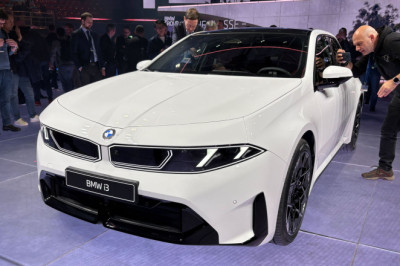

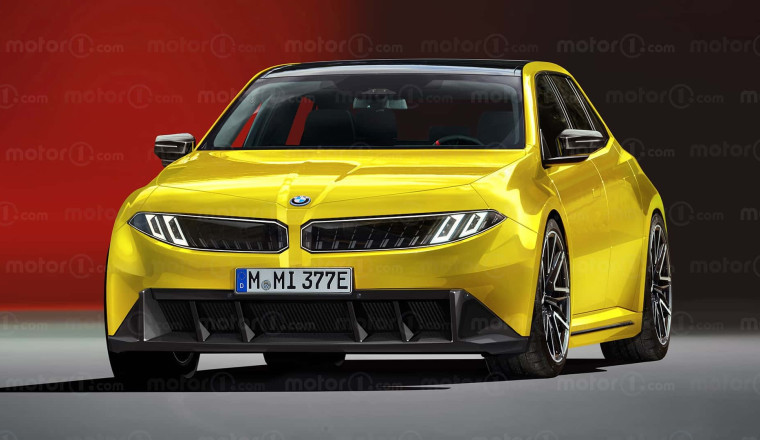

BMW plans to price its upcoming electric M3 at the same level as the current petrol version, despite packing nearly 1000 horsepower into what should be one of the most powerful production sedans ever built. The move signals a dramatic shift in how automakers approach electric performance cars, abandoning the traditional premium for battery power in favor of volume sales.
The electric M3, expected to arrive in 2026, will deliver power figures that dwarf its combustion sibling. Where the current M3 Competition produces 503 horsepower, the electric version targets close to 1000 horsepower through a quad motor setup that puts individual electric motors at each wheel. This configuration promises not just straight line brutality but sophisticated torque vectoring that could redefine how a sports sedan handles.
BMW M division boss Frank van Meel confirmed the pricing strategy during recent media briefings, stating the electric M3 would be priced "in the same ballpark" as the current petrol model. This positions the car at roughly $75,000 to $85,000 in the US market, depending on specification levels. The decision contradicts industry trends where electric performance cars typically command significant premiums over their gasoline counterparts.
The power delivery method separates this M3 from anything BMW has built before. Each wheel receives its own electric motor, creating what amounts to four individual power sources that can be managed independently. This setup allows for precise torque distribution that changes thousands of times per second, potentially making the car faster through corners than any combustion engine could manage through mechanical differentials alone.
Like this? Get the app: iOS | Android
Range remains the critical question for any electric performance car. BMW targets approximately 300 miles of range in normal driving conditions, though that figure will drop significantly under track use or aggressive acceleration runs. The company plans to use its latest generation battery technology, likely sourced from CATL or Samsung SDI, with charging speeds targeting 200kW DC fast charging capability.
The pricing strategy reflects broader industry pressure to make electric vehicles mainstream rather than niche luxury products. Tesla proved this approach with the Model S Plaid, which delivers over 1000 horsepower for around $90,000. BMW appears to be following this playbook, betting that volume sales of high performance electric cars matter more than maintaining artificial price premiums.
Production will take place at BMW's Munich plant, where the company is investing heavily in electric vehicle manufacturing capabilities. The facility already produces the i4 and will be retooled to handle the more complex assembly requirements of the quad motor M3 system. BMW expects initial production volumes of around 15,000 units annually, split between global markets.
The competitive landscape includes the Mercedes AMG EQE 63 S and the upcoming Audi RS e-tron GT variants, but neither matches the BMW's projected power output. Porsche's Taycan Turbo S produces 750 horsepower in overboost mode but costs significantly more than BMW's target price point. The electric M3 could represent the first time buyers can access near supercar performance in a practical four door package without paying supercar prices.
Whether BMW can deliver on these promises while maintaining build quality and reliability remains the ultimate test. The company has struggled with some electric vehicle launches, particularly software integration and charging system reliability. Getting the electric M3 right matters beyond just one model success. It represents BMW's credibility in the electric performance space and their ability to compete with Tesla's performance offerings while maintaining the driving dynamics that made M cars legendary.
Sources: Information compiled from automotive industry reports and BMW official communications. Specific pricing and performance figures subject to final production specifications.