
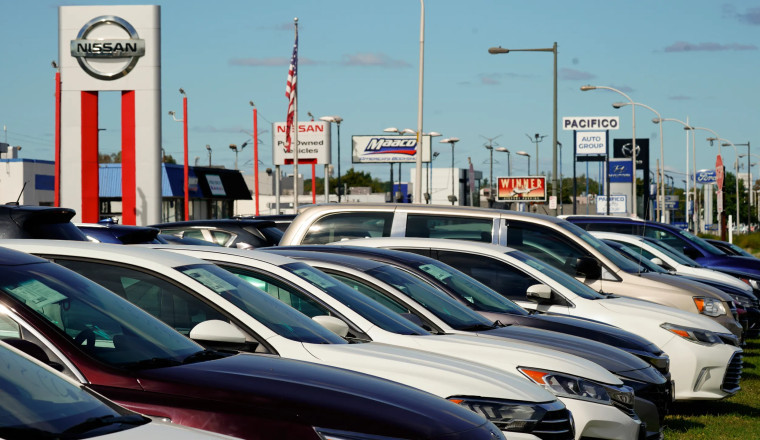

The sticker shock is real. Fresh data shows the average price buyers paid for a new car in September clocked in at just over fifty thousand dollars. That is a two percent jump from last month, more than three percent higher than last year, and a full ten thousand dollars up from five years ago.
What is behind this skyward climb?
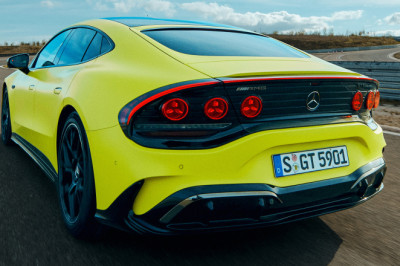
Tariffs, luxury vehicles, and electric cars all played a part. Steep new tariffs on imports pushed by President Trump’s trade strategy have added up to six thousand dollars on cars priced under forty grand. The flood of luxury brands and electric models is nudging the average higher as well, with more than seven percent of September’s new cars selling for over seventy five thousand dollars. Electric car sales are breaking records, but most still cost well above the average.
Middle-class and lower-income buyers are feeling the squeeze more than ever. Automakers and lenders confirm the average new car payment is now north of seven hundred dollars a month, shutting out millions of historically reliable buyers. Some shoppers are shifting to used vehicles or just delaying a purchase rather than dig deeper for an entry-level shortage.
Industry watchers say this price boom is not going away fast. Incentives from carmakers have been rare, and every fall brings price hikes as fresh model year cars hit dealer lots. The lowest-priced new cars are now vanishing from showrooms, replaced by trucks, luxury crossovers, and electrics aimed at high-income households. As discounts dry up, the move toward a wealthier car-buying market is picking up speed.
It is a harsh new reality for anyone who thought new-car ownership was still a mainstream option. With costs climbing and affordable choices shrinking every season, working families could be left behind in America’s race for newer, cleaner, tech-heavy transportation.