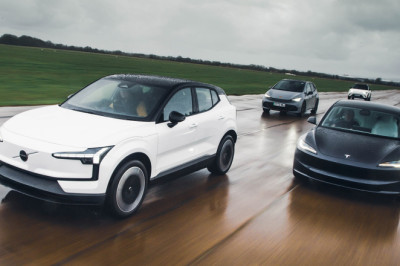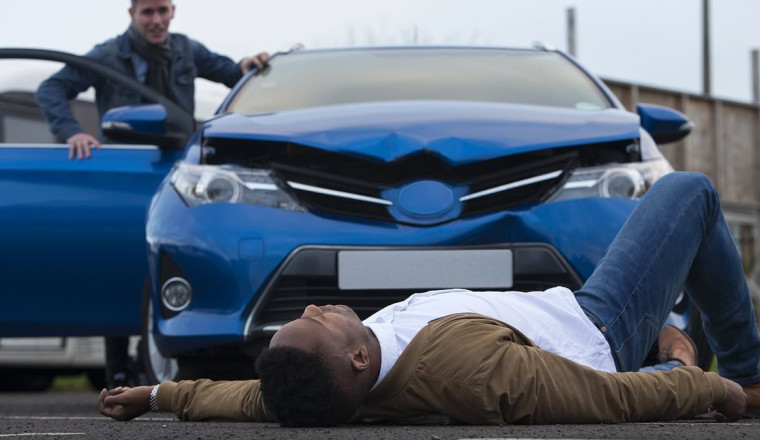

Electric vehicles, often 30 to 50 percent heavier than comparable petrol or diesel cars due to battery packs, raise concerns about pedestrian safety in collisions. However, recent UK studies using Department for Transport data from 2019 to 2023 show no evidence that heavier EVs lead to more fatalities or severe injuries for pedestrians compared to internal combustion engine (ICE) vehicles.
Casualty rates per billion miles driven are nearly identical: 57.8 for EVs versus 58.9 for ICE cars, with injury severity matching across slight and serious categories. Post-2019 acoustic vehicle alerting systems (AVAS) dropped EV rates from 137 to 57.8 per billion miles, aligning them with ICE. Hybrids show higher collision rates (120 per billion miles), likely from urban taxi use rather than weight.
Limitations include data up to 2023 and urban bias, but advanced safety like automatic emergency braking offsets mass. Heavier vehicles may worsen outcomes in theory, yet real-world stats confirm parity. Drivers: enable pedestrian alerts; pedestrians: stay vigilant in cities.