

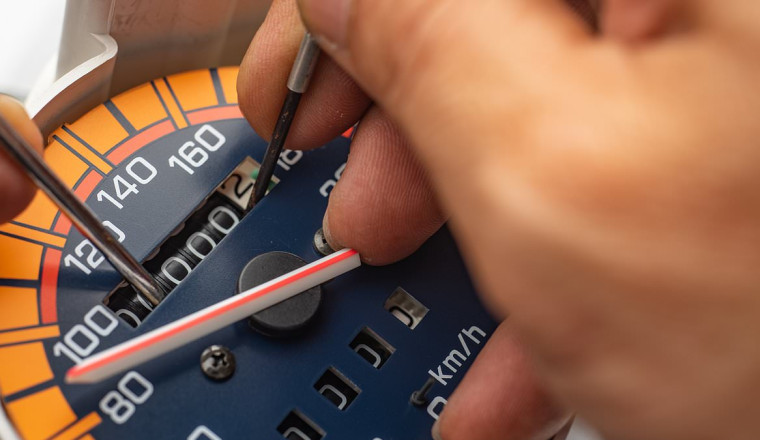

Car clocking, the fraudulent practice of rolling back a vehicle’s mileage to inflate value, is experiencing a worrying resurgence. Gone are the days of crude mechanical odometer manipulation. Modern methods use sophisticated digital devices that can stealthily reset or alter a car’s mileage without leaving obvious traces.
These new gadgets exploit the growing complexity and connectivity of vehicle electronic systems. By tapping into a car’s onboard diagnostics (OBD) port or CAN bus networks, unscrupulous criminals can write false mileage data. In some cases, clocks have been wiped by 200,000 to 300,000 miles, drastically changing a vehicle’s apparent history.
This creates serious risks for buyers who may unknowingly purchase high-mileage cars masquerading as low mileage, facing expensive repairs and reduced lifespan. The used car market is especially vulnerable as digital tampering is harder to spot visually, and traditional checks like MOT mileage records can be manipulated.
Authorities and industry groups are stepping up efforts. Advanced diagnostic tools can cross-check mileage data across multiple modules within a vehicle to identify inconsistencies. Legislation targeting electronic tampering tools is being introduced in some regions, but law enforcement faces challenges keeping pace with the evolving tech.
How To Protect Yourself
Experts recommend buyers use certified vehicle history services and insist on professional inspections using up-to-date diagnostics when purchasing used cars. Installing OBD port blockers and ensuring factory and dealer records match can help reduce risks.
-
Check the mileage history closely. Look for sudden drops or irregular jumps in the recorded mileage across different documents like MOT tests, service records, and previous sales reports. Patterns that don’t add up can be a strong sign the odometer has been tampered with.
-
Inspect wear and tear on the car’s interior and controls. Compare things like the condition of the steering wheel, pedals, gear stick, and driver’s seat with the claimed mileage. Heavy wear in these areas can indicate high use that’s inconsistent with a low-mileage figure on the dash.
-
Verify ownership records. Multiple ownership changes in a short time can be a red flag, especially if combined with suspect mileage. Cross-check details on the V5C registration document and consult vehicle history databases to identify frequent handovers.
-
Run a full vehicle history check. Use the car’s VIN number to pull up official records such as MOT tests, service and repair histories, previous accident reports, and import status. These reports often include mileage logs collected at different points in the vehicle’s life, making discrepancies easier to spot.
-
Cross-reference maintenance history. Service stamps and receipts from dealerships or certified mechanics reveal mileage over time. Consistency here adds credibility; large gaps or irregular mileage entries suggest possible manipulation.
-
Use professional diagnostic tools. Certified mechanics can perform ECU scans with advanced computers that read mileage data stored in different vehicle modules. This digital check is much harder to fool than just viewing the dashboard odometer.
-
Consider digital verification platforms. Some emerging tools use blockchain or GPS mileage logs to provide tamper-resistant mileage tracking. While not yet standard, these new technologies offer another layer of confidence in verifying a car’s true history.
By combining these checks, buyers can build a detailed picture of the vehicle’s actual use and avoid costly surprises from clocked cars. Vigilance and multiple verification steps remain key in today’s market where mileage fraud is evolving with technology.
This issue is a wake-up call—if you’re buying used, don’t just trust the numbers on the dash anymore.