

Welcome to the future of policing in Miami. The Miami-Dade Sheriff’s Office has introduced the Police Unmanned Ground or PUG Patrol Partner, an autonomous police patrol car that can navigate the streets without an officer behind the wheel. Dubbed “RoboCop” by local media, the vehicle is equipped with a suite of advanced technologies designed to extend the reach and efficiency of human deputies.
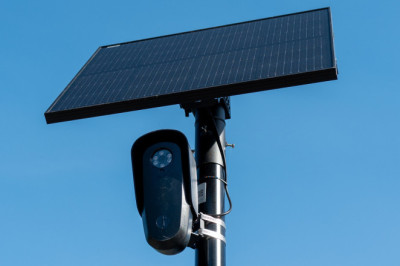
The PUG packs 360-degree cameras, license plate recognition, thermal imaging, and a deployable drone launcher, allowing it to monitor neighborhoods, identify suspicious activity, and provide aerial support in real time. By patrolling known hotspots and high-crime areas autonomously, the vehicle acts as a “force multiplier,” enabling deputies to focus on complex incidents while routine monitoring is automated.
Built on the platform of a Ford Police Interceptor Utility, the PUG incorporates autonomous driving technology developed by Perrone Robotics, making it capable of driving “pre-planned routes” without human intervention. For safety and public confidence, a deputy will ride along during the initial pilot phase, which is expected to last 12 months. This phase will also include community engagement events in hopes of gathering public feedback.
Sheriff Rosie Cordero-Stutz emphasized that the PUG is designed not to replace officers but to support them, boost safety, reduce response times, and enhance deterrence. The vehicle's real-time integration with law enforcement databases allows for efficient data sharing and aids in investigative work, such as identifying stolen vehicles.
The introduction of the PUG has sparked both excitement and debate. Supporters see it as a revolutionary tool that can alleviate staffing pressure and increase policing precision. Critics, including civil liberties advocates, raise concerns about privacy, surveillance, and the implications of deploying unmanned police vehicles in communities.
For now, the PUG’s role is mainly supportive, focused on event security, community engagement, and enhancing officer safety. As the pilot program progresses, Miami-Dade will assess its impact before deciding whether to expand deployment. Regardless of public opinion, the city stands at the forefront of a policing revolution, testing technologies that could reshape law enforcement nationwide.
As RoboCop takes its place on Miami’s streets, a new era begins ... one where driverless police cars might soon become a familiar sight, changing the relationship between communities, technology, and public safety forever.