
Jeep just redefined what a small engine can do. Their fresh 2.0-liter turbocharged inline-four punches well above its weight, churning out a hefty 324 horsepower and 332 pound-feet of torque. That’s power rivalling bigger engines, but without the typical trade-offs that send reliability crashing.
Dubbed the Hurricane 4 turbo, this motor is a clean-sheet design built at Jeep’s Dundee plant in Michigan. It packs advanced tech like turbulent jet ignition and a variable geometry turbocharger that work in harmony to squeeze maximum power efficiently. At low rpm and light throttle, the engine sticks to port fuel injection for smooth, fuel-saving operation, switching to direct injection when the pedal goes down hard.
Jeep claims 162 horsepower per liter from this motor, pushing it to the front of the class in power density. The torque band is broad and flat, with 80 percent available as low as 2,300 rpm and peak torque spanning 3,000 to 4,500 rpm, delivering muscle exactly where you want it. It translates to confident towing of up to 6,200 pounds and an estimated range of 506 miles on a full tank.
The secret to keeping it bulletproof lies in balancing boost pressure, heat control, and combustion speed all fine-tuned through years of testing and design mastery. Engineers focused on mitigating the typical turbocharged engine pitfalls like turbo lag, knock, and thermal stress to deliver a powerplant that can hustle hard day in day out without compromise.
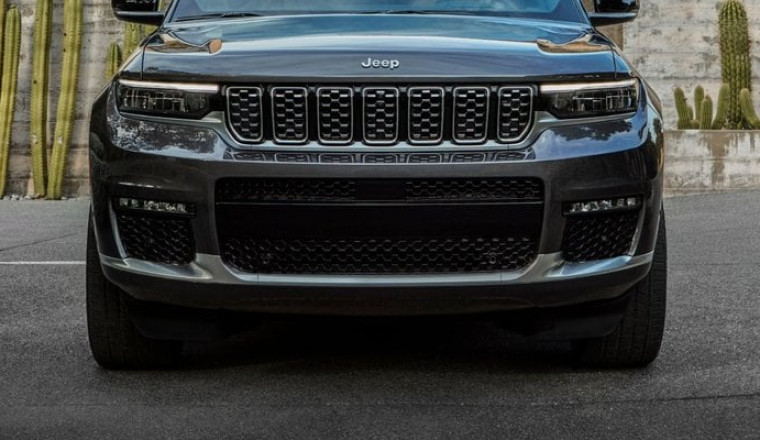
This engine will be the base powertrain in the new Jeep Grand Cherokee arriving late 2025, paired with a smooth 8-speed automatic transmission. It’s a turbocharged powerhouse built for everyday practicality, proving that high output and longevity can coexist. Jeep’s Hurricane 4 shows what modern engineering can achieve muscle with brains, brawn without sacrifice.