
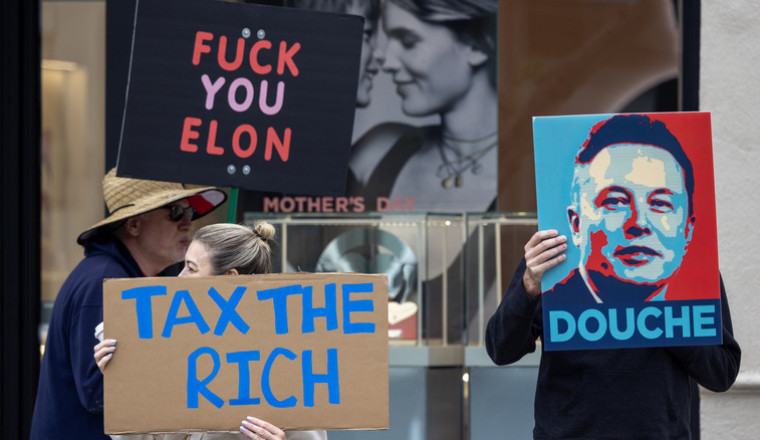

Tesla’s rise as the face of electric cars was once a unifying force for forward-thinking drivers, but that image has shattered as Elon Musk’s embrace of far-right politics now plainly bleeds the brand. A recent National Bureau of Economic Research paper from Yale economists reveals just how deep the damage runs. Between October 2022 when Musk acquired Twitter and April 2025, Tesla lost between one million and 1.26 million U.S. sales, amounting to a jaw-dropping 67 to 83 percent drop relative to where sales could have been without the so-called “Musk partisan effect.”
This political pivot didn’t just alienate a tiny fringe it struck at Tesla’s heartland, repelling progressive buyers who have historically championed electric vehicles. The study meticulously tracked county-level sales trends divided by political affiliation, showing Democratic-leaning counties sharply retreating from Tesla after Musk’s controversial moves, including hosting far-right voices on social media, deep ties to Trump’s administration, and high-profile partisan stances. At the same time, Republican areas showed no meaningful increase in Tesla purchases, debunking any myth that Musk’s base wins compensated for losses.
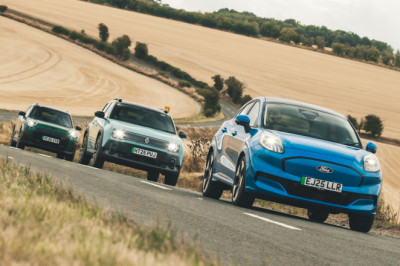
The fallout is staggering not simply lost sales, but lost progress toward clean energy goals. California, once a Tesla bastion pushing zero-emission targets, saw registrations drop as Tesla slumped 9.4 percent in Q3 2025, its market share falling below half. Meanwhile, Tesla’s rivals like Ford, Rivian, Hyundai, and Kia have surged, picking up buyers disenchanted with Musk’s personal brand. These competitors enjoyed 17 to 22 percent sales growth over the same period, capitalizing on Tesla’s self-inflicted brand fragmentation.
Musk’s descent into polarizing far-right politics stands as a cautionary tale of how CEO behavior directly impacts corporate fortunes. The study’s blunt conclusion: Musk’s antagonizing persona cost Tesla billions in revenue and slowed the EV revolution, challenging the green mission Tesla once symbolized. Profit margins have suffered, and formerly ambitious factory expansions were shelved or scaled back as sales and stock tumbled.
Yet, Musk seemingly shrugs it off, doubling down on politics rather than recalibrating the Tesla brand. This turmoil highlights a fracturing market where technology alone no longer guarantees success. Tesla’s story warns other automakers that winning hearts and wallets demands more than innovation it requires leadership that unites rather than divides.
A brand once poised to dominate the future now fights an uphill political marketing battle of its own making, and the clock is ticking.