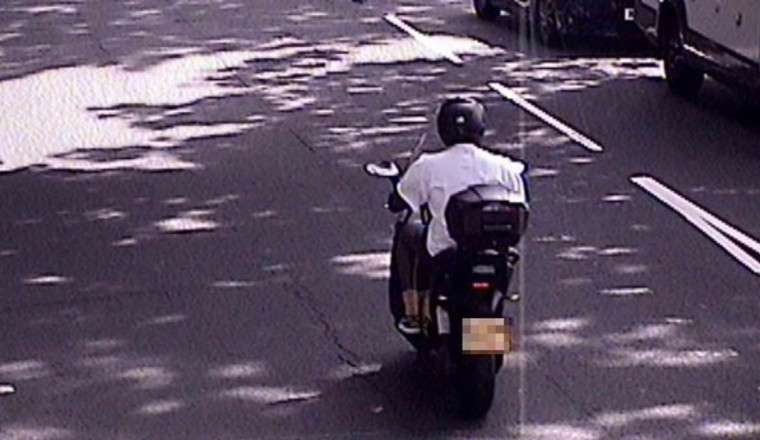

On a sunny June day in central London, actor Idris Elba was caught on camera riding an electric moped at 28mph on Chelsea Embankment, a road that had its speed limit reduced from 30mph to 20mph in late 2021. The transgression cost Elba £316 and sparked debate across the country about the proliferation of 20mph speed limits.
Today, 30.2% of all urban roads in Britain have a 20mph speed limit, covering 38,711 miles. More than 19 million people live in neighborhoods with 20mph limits, while another 11 million live in areas committed to introducing them. In total, that represents a third of the UK population.
While the rationale of reducing collisions and fatalities is sound, critics object to the blanket introduction of 20mph limits that don't consider road size, traffic flow, or usage patterns. Opponents view them as cynical money-making schemes.
Highway authorities have been able to introduce 20mph roads since 1999 without permission from the Secretary of State. Department for Transport guidance advises these limits for residential streets and town centers with high pedestrian activity, warning against overuse on roads where vehicle movement is the primary function.
However, local authorities have implemented 20mph limits on major arterial roads, including parts of London's South Circular, Finchley Road, and Park Lane. Similar implementations have occurred in Cambridge, Oxford, and Edinburgh on busy thoroughfares.
Edmund King, president of the AA, supports 20mph limits where they improve safety but believes they should be targeted and implemented where communities want them, rather than through blanket roll-outs.
Converting roads to 20mph is costly. Wales has spent £34.4 million on conversions, while London has spent over £8 million. Campaign group "20's Plenty for Us" estimates costs at £7.50 per person, suggesting total UK costs could reach £225 million if all planned implementations proceed.
Some experts question whether driving more slowly actually increases safety. A 2017 Australian study suggests drivers at 20mph develop "speedometer fixation," spending more time watching their speedometer rather than observing other road users, which decreases peripheral vision and awareness.
Context:
20mph limits now cover 30% of UK urban roads, affecting one-third of the population amid safety vs. revenue debates.
Context:
Blanket speed reductions on major roads spark concerns about prioritizing fine income over targeted safety improvements.
Context:
Studies suggest 20mph driving may cause "speedometer fixation," potentially reducing driver awareness of surroundings.