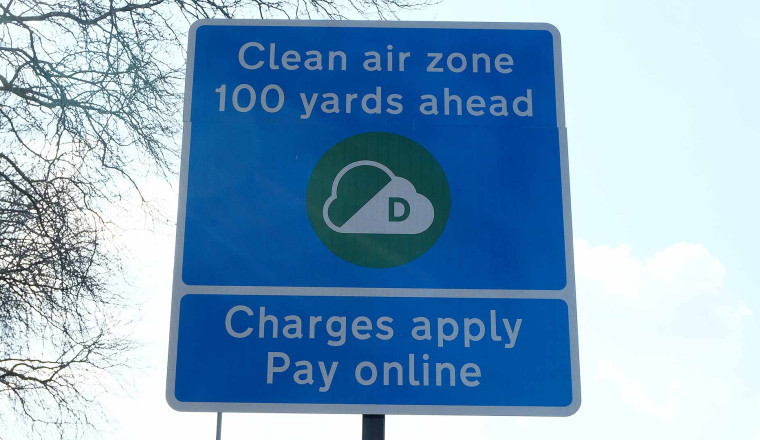

The story was uncovered by BBC News Midlands Investigates using the Environmental Information Regulations. Since Birmingham's Clean Air Zone entered operation on 14 June 2021, council vehicles have triggered 3,262 daily charges for entering the zone while failing to meet its emissions requirements. The resulting charges and fines total £472,253, all paid by the council to itself, all accumulating while the authority was simultaneously fining thousands of private motorists for exactly the same offence.
The zone covers the city centre area inside the A4540 Middleway ring road and operates 24 hours a day, 365 days a year. The daily charge is £8 for cars, vans and taxis and £50 for HGVs and coaches. Drivers who fail to pay within six days face a fine of £120, reduced to £60 if settled within 14 days. There are no exemptions specifically for council vehicles. The council acknowledged this directly in its statement to the BBC, noting that the same rules that apply to residents apply to its own fleet.
Most of the charges came from the waste department. This detail carries its own timing problem. Birmingham City Council has been locked in a continuous bin strike since January 2025, a dispute that has left waste piling up in residential streets and generated sustained national coverage. The waste vehicles that have been driving through the CAZ triggering daily charges are part of the same operation that could not collect household bins. One of those vehicles incurred four separate £60 fines on a single day, 30 March 2026.
As of 31 March 2026, 142 vehicles from a council fleet of 1,170 still fail to comply with the zone's requirements. That is 12 per cent, or one in eight. The council said many of these are minibuses used for social services and education, adding that it is moving to accelerate the transition to a modernised, fleet with lower emissions.
Like this? Get the app: iOS | Android
There is a surreal accounting logic to the whole arrangement. A Birmingham City Council spokesperson confirmed to ITV that the money paid in charges goes toward the CAZ operating costs and certain government charges, and that any surplus must be spent on transport or environmental schemes. It cannot be returned to the council's general fund. So the authority is fining itself, the fine goes to running the scheme it created, and the vehicles that triggered the fine continue operating in the zone. The Birmingham CAZ has also written off £2.7 million in fines from private motorists it could not collect, having massively underestimated compliance failures when the scheme launched.
The human cost is felt elsewhere. A food bank, interviewed by the BBC as part of its investigation, described the charges as "absolutely shocking" and said they had contributed to a decline in volunteer drivers willing to travel into the city centre. The CAZ hits older vehicles disproportionately, and older vehicles are more likely to be owned by the kinds of individuals and small organisations doing community work on limited budgets. The policy that was introduced to protect public health has also created a financial barrier for some of the people doing public good.
Professor William Bloss of the University of Birmingham, who led research on the CAZ's impact, said the zone had produced measurable improvements in air quality, with nitrogen dioxide levels showing a clear improvement when the scheme launched. Before it began, the council estimated that air pollution was shortening the lives of approximately 900 Birmingham residents every year. That is the purpose the policy was built to serve. Whether a council that spent five years running a significant share of its own fleet through that zone while charging residents to do the same has served it with full conviction is a different question.
No other UK council running a comparable clean air scheme came close to Birmingham's figures. Its charges it imposed on itself were around 20 times those disclosed by any other comparable authority. The scheme may be working on air quality. On institutional consistency, the numbers speak for themselves.
Sources
- BBC News Midlands Investigates / BBC Shared Data Unit — primary FOI investigation (via Birmingham World, AOL, Motoring Research)
- Birmingham World — Birmingham council paid itself more than £470,000 in fines and charges as vehicles breach Clean Air Zone rules
- ITV News Central — Birmingham City Council pays itself almost £500,000 in Clean Air Zone charges and fines
- ITV News Central — Where is the £470,000 fine Birmingham City Council has paid itself for CAZ breaches going?
- Motoring Research — Birmingham City Council fines itself £470,000 over Clean Air Zone
- AOL / BBC — Birmingham City Council fines itself £470,000 for breaking Clean Air Zone rules
- Prism News — Birmingham council paid itself £470,000 as fleet broke clean air rules