
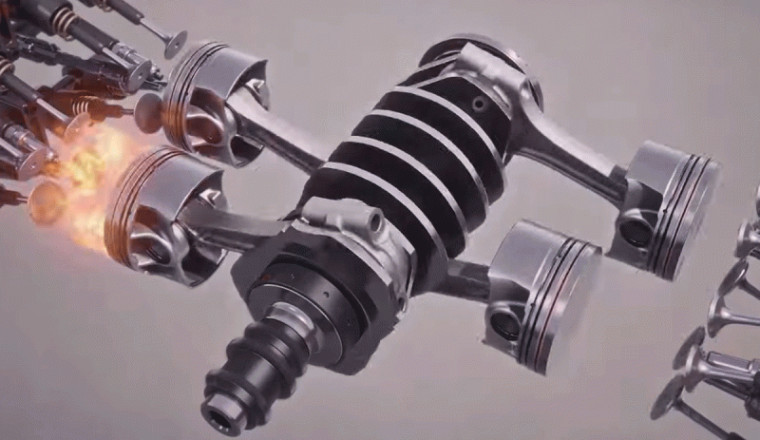

BYD recently unveiled a highly innovative 2.0-liter boxer engine designed specifically as a range extender for its upcoming plug-in hybrid electric vehicles (PHEVs). At first glance, the idea seems paradoxical. Why add a traditional internal combustion engine (ICE) with emissions and complexity when the global push is towards pure electric vehicles? The answer lies in the real-world challenge of EV range and versatility.
This horizontally opposed flat-four engine, the first of its kind in a production plug-in hybrid, offers several engineering benefits over traditional inline engines. It’s compact, low-profile, and designed to fit neatly alongside electric motors in BYD’s e⁴ platform. Its layout reduces vibrations and noise, making it nearly imperceptible at idle or low load. Most critically, this engine primarily functions as a generator. Instead of directly driving the wheels in normal conditions, it produces electricity to recharge the battery and extend driving range when the charge dips, effectively reducing “range anxiety” in long trips or charging deserts.
Critics question whether this hybrid approach is a backward step, clinging to fossil fuels rather than embracing all-electric mobility fully. However, BYD argues that real-world usage justifies incorporating a range extender that dramatically increases usable range without requiring large, heavy batteries. Compared to small conventional engines, the boxer’s layout keeps the vehicle balanced with a low center of gravity, and powertrain integration allows innovative driving modes like crab walking and precise torque vectoring.
In markets where charging infrastructure lags or batteries remain expensive, such hybrids offer a pragmatic bridge between zero emissions goals and consumer expectations. The engine’s ability to only run when necessary means less fuel is burned, combining fuel economy with useful range.
Is that a good thing?