
One of the most recognizable brands of motorcycles, Harley-Davidson, has been an American staple for over a century. Most notably, the brand became a symbol of rebellion, particularly in the '50's and '60's, and various iconic Harley-Davidson motorcycles were made famous after appearing on the big screen in movies like "The Wild One" and "Easy Rider." One of the hallmarks of Harley-Davidson culture is customization, with many owners seeking to make their bikes unique by modifying their stock design and performance with aftermarket parts.
Four-stroke engines require that the crankcase be ventilated in order to prevent problematic sludge from accumulating. In fact, if the crankcase didn't feature any venting, pressure would build until the internal seals failed, with air seeking any means of escape. Newer Harley-Davidson bikes use a closed-loop system, which moves positive air pressure, blowby, and atomized oil away from the crankcase and points it back toward the intake to be burned off.
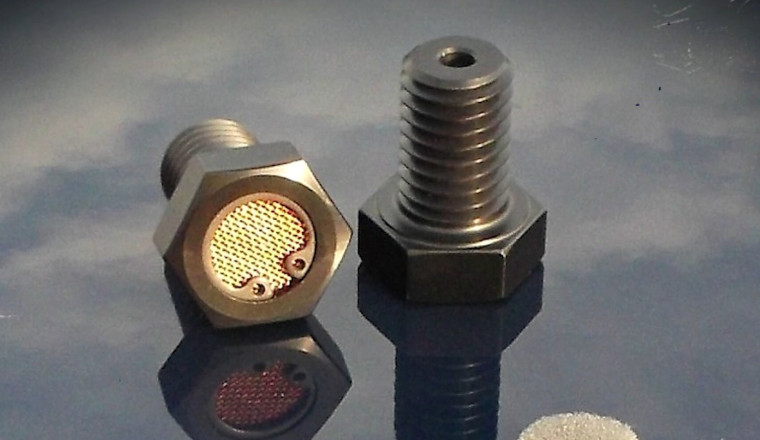
In some scenarios, you can opt for a vent-to-atmosphere setup or an external breather system modification. This allows cooler, cleaner air to enter the intake, adding some power and potentially enhancing the bike's lifespan. One of the methods enthusiasts use to vent the crankcase is installing breather bolts. Breather bolts look similar to standard bolts, except that they're hollow inside or feature small holes, allowing air to flow out through a vent at the head. They include filters, which help to catch any significant oily expulsion, though they can clog if not cleaned periodically.
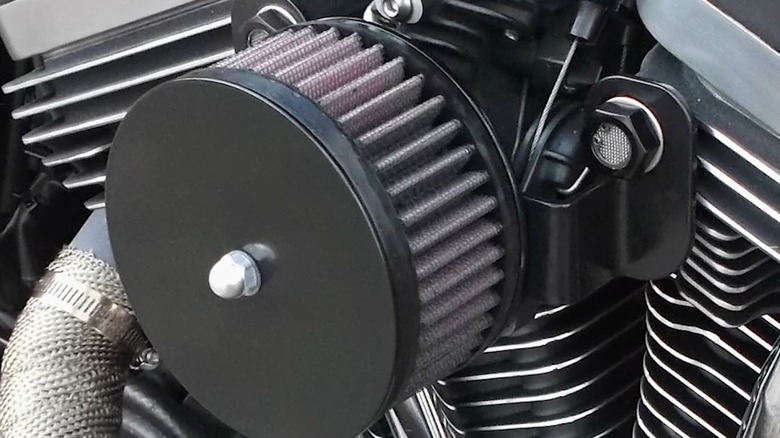
Harley-Davidson isn't allowed to use vent-to-atmosphere systems anymore, as the EPA has been steadily cracking down on vehicle emissions over the years. It's better for the environment to recirculate and burn off the oil vapor rather than release it into the open air. However, while more environmentally friendly, this recirculating system can have some drawbacks for Harley-Davidson owners. This air is not only extremely hot, but also oily and less oxygenated, and it can impact performance and potentially engine longevity. Oil vapor can also negatively affect the air cleaner and lead to carbon buildup within the engine.
Not everyone in the motorcycle community agrees with the use of breather bolts, though, and some suggest that these machines are engineered this way for valid reasons. One alternative is an oil catch can, which is a modification that collects atomized oil from the breather hose and prevents it from ending up in the air cleaner. However, oil catch cans are often used in conjunction with breather bolts. Other alternatives include periodic cleaning to remove carbon buildup.
For those interested in installing breather bolts, it's not a one-size-fits-all upgrade. In fact, many enthusiasts note that you may need to get creative in order to make everything fit properly. Beyond that, it also could be illegal to install vent-to-atmosphere modifications like breather bolts, especially if you reside in states like California, which have strict emissions regulations. Finally, not every Harley-Davidson model will be ideal for these breather bolts, as some spit more oil than others. On a related note, here's how often a Harley-Davidson needs a 3-hole oil change. Fortunately, unlike a car, at least everything's within easy reach.