
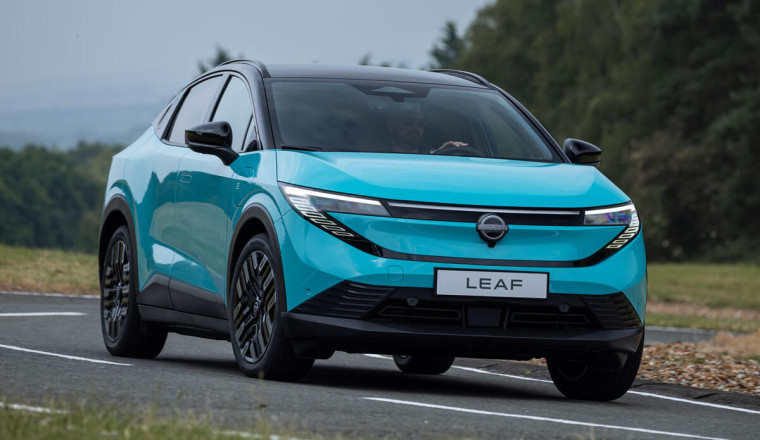

Nissan’s new Leaf, built in Sunderland, is in a strong position to qualify for the maximum £3,750 Electric Car Grant (ECG), according to the company’s leadership. This grant scheme was introduced by the government to encourage the production and purchase of electric vehicles that meet stringent emissions standards, with a focus on supporting British manufacturing.
The ECG offers two levels of financial support: £1,500 or £3,750. The level a model qualifies for depends on how closely it meets science-based emissions targets that consider both the manufacturer’s environmental impact and the emissions footprint of the country where the vehicle is made. To be eligible for the grants, EVs must also be priced at £37,000 or less.
Nissan’s Sunderland factory, where the Leaf is produced, benefits from these rules because it aligns local manufacturing with the government’s environmental goals. By encouraging cars to be built in Britain and adhere to strict emissions criteria, the scheme incentivizes cleaner vehicles while boosting domestic industry.
The grant makes the Leaf more affordable to buyers by reducing the effective price, which helps increase uptake of electric vehicles in the UK market. The company sees this as a positive move for both consumers and the environment, supporting the transition to greener transport without sacrificing jobs or investment in British automotive manufacturing.
Overall, the Sunderland-built Leaf is well positioned to take full advantage of the ECG, combining competitive pricing, British production, and strong environmental performance—a combination that benefits buyers, the country, and the planet.