by Chris Chilton
- Trump administration plans to lower fuel economy targets to 34.5 mpg by 2031.
- Automakers could save $35 billion and new car prices may drop by about $930.
- Experts say higher fuel costs from thirstier cars will erase those savings quickly.
President Trump wants to make cars cheaper again. His latest proposal would roll back the strict fuel economy rules introduced under the Biden administration and the sales pitch is simple. Less regulation means cheaper cars and happier American drivers.
However, like most things involving predicted prices and politicians of any persuasion, the reality is not quite that tidy.
Also: Wagon Queen Family Trumpster? Transport Secretary Primes Wagons For A Comeback
Under the plan put forward by the National Highway Traffic Safety Administration and the EPA, average fuel economy requirements would fall to 34.5 mpg by 2031. That is a big step down from the 50.4 mpg target set by the previous administration.
Automakers are understandably pleased with this plan. According to government analysis the relaxed standards could save manufacturers around $35 billion through 2031 and reduce the average purchase price of a new vehicle by about $930, assuming those savings actually reach buyers.
Better Read the Small Print
That bit about cars getting cheaper, and maybe local industry booming leading to more jobs, is the part the administration wants you to focus on.
But the same NHTSA analysis also shows a less convenient number hiding in the fine print. Looser standards would increase fuel consumption by about 100 billion gallons through 2050. That extra fuel would cost Americans up to $185 billion. Suddenly the math stops looking so friendly.
Also: Trump Saw These “Really Cute” Cars In Japan And Now Wants Them On US Roads
Industry experts argue any upfront savings would disappear almost immediately once drivers start filling up more often.
“From the very first day of driving, it will cost consumers more to operate their less-efficient cars: more for gas, more for repairs, more time wasted pumping gas,” Jason Schwartz of New York University told Reuters.
And for drivers financing cars over several years, that $930 saving gets spread thin while fuel costs show up every week.
Good News for Muscle Car Fans
The White House is pushing back. Officials say the estimate focuses too much on long term fuel prices which they argue are speculative. They also claim automakers will save money by avoid MPG fines, which are not accounted for in the calculations. Another selling point is nostalgia.
Softer rules might allow carmakers to build less efficient vehicles again including old-school wagons and big gas-slurping six- and eight-cylinder machines that would have struggled under tighter standards.
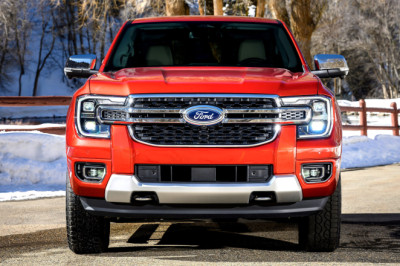
Ford, GM and Stellantis would benefit the most from the rollback which is hardly surprising given their heavy reliance on trucks and large SUVs.
The administration also frames the move as a pushback against what it calls an unofficial EV mandate arguing electric cars remain expensive and hard to produce profitably at scale.
Whether this actually helps everyday drivers is another question. Lower sticker prices sound great, but if the tradeoff is years of higher fuel bills many buyers may find the savings vanish long before the new car smell does.