

by Chris Chilton
- Helix’s hypercar electric motors are now headed for supersonic flight.
- Astro Mechanica wants Mach 3 travel to feel like ordinary air travel.
- Helix currently supplies motors for McMurtry Spéirling and Lotus Evija.
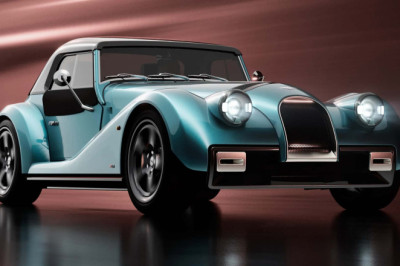
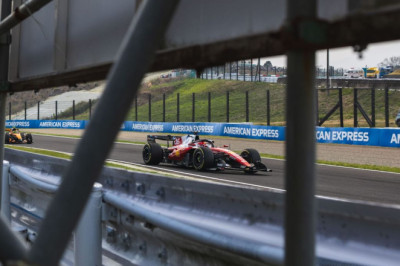
UK-based Helix has already built a reputation in the industry for giving the world’s wildest EVs their punch. You might not recognize its name, but you’ll have seen its work if you’ve watched a McMurtry Spéirling, Lotus Evija, or Aston Martin Valkyrie swallow up the horizon on a YouTube video.
Also: McMurtry Speirling Smashes Top Gear Lap Record, Beats F1 Car
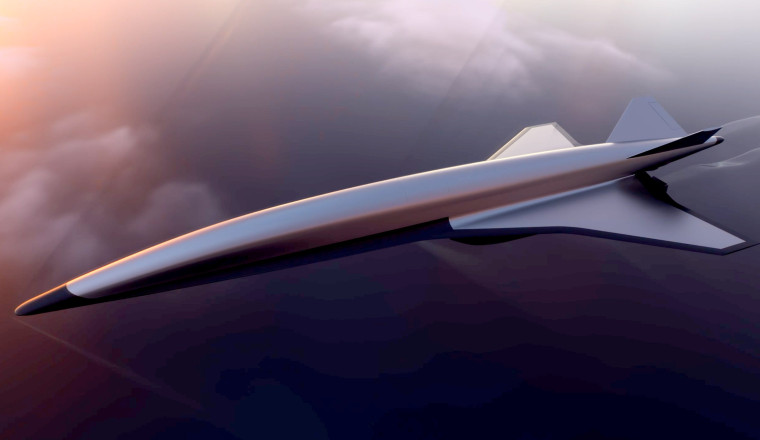
Now Helix is working with Californian startup Astro Mechanica on an engine concept that claims it can make supersonic passenger air travel viable again.
What’s The Idea?
Astro Mechanica is chasing what the late, great Concorde never could. It wants long-range supersonic aircraft that are efficient enough for everyday use.
To make that possible, the company has built a propulsion system called Duality. It is an adaptive hybrid electric setup that uses both a gas turbine and electric drive to shift personalities depending on speed.
At takeoff, it behaves like a turbofan. At lower supersonic speeds, it behaves like a turbojet. When things get seriously quick, it transforms into something closer to a ramjet.
That flexibility is meant to solve the problem that killed commercial supersonic air travel in the first place. The engines were great at going very fast but not great at everything else, and gobbled up a ton of fuel.
Power Behind The Concept
The current fourth-generation Duality prototype uses four Helix SPX242-94 electric motors. Each produces up to 536 hp (544 PS / 400 kW) of peak power. They drive the two-stage compressor of the propulsor unit and can run continuously at 402 hp (408 PS / 300 kilowatts).
But custom-designed radial flux motors for the fifth generation of Astro Mechanica’s propulsion system are also in development, these ones pumping out up to 1,274 hp (1,292 PS / 950 kW) of peak muscle for extreme-altitude flying.
The company is targeting a first flight in three years and commercial operations within a decade. If it takes until 2035 and Astro Mechanica is the first to offer supersonic air travel, we’ll have waited 32 years since Concorde was retired to see a passenger airplane break the sound barrier.