
The 3.0L TDV6 diesel engine, fitted primarily in Land Rover Discovery 3 and 4 models plus select Range Rover and Jaguar vehicles produced between 2004 and 2016 is at the center of a widespread mechanical failure involving the crankshaft. While exact figures are elusive, this engine powered hundreds of thousands globally, making this a systemic issue touching a significant number of owners.
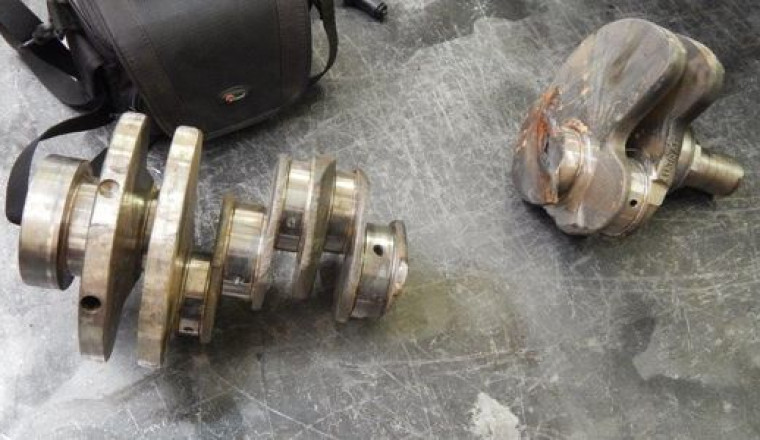
Reports from owners and repair shops reveal consistent failures of the crankshaft, an internal engine component critical to converting combustion into motion. This failure is far from a minor repair, it often demands full engine replacements, a costly and invasive fix that puts owners in a tough spot.
Jaguar Land Rover’s response has been widely criticized as inadequate. Offering a mere 10 percent discount on parts falls well short of what affected customers expect or deserve, especially given the scale of the problem and the expense involved in repairs. For many, this percentage barely scratches the surface of the financial burden incurred.
This situation not only impacts vehicle reliability but also dents brand loyalty. Owners investing in premium vehicles face a frustrating lack of support when confronted with a known manufacturing defect. Detailed internal production data remains largely confidential, but based on production volumes of the Discovery models, it is clear this is not a niche problem.
Until JLR steps up with a meaningful remediation program or recall, owners of these engines are left to face costly repairs alone. The current approach risks long-term damage to JLR’s reputation and trust.