

The automotive industry entered 2025 cautiously optimistic. Interest rates were stabilizing, supply chains had recovered from pandemic shocks, and electric vehicle adoption appeared unstoppable. Twelve months later, the landscape looks dramatically different. Companies that seemed invincible stumbled. Mergers meant to save struggling manufacturers collapsed. And a single cyberattack cost Britain's economy £1.9 billion. This is what happened.
The JLR Cyberattack
The most devastating event of 2025 began on August 31 when hackers infiltrated Jaguar Land Rover's IT systems. What followed became the most economically damaging cyberattack in British history. Production ceased across all JLR facilities globally. The company, which employs 30,000 workers directly and supports an estimated 200,000 jobs through its supply chain, ground to a halt for nearly four weeks.
The attack, attributed to a group calling itself Scattered Lapsus$ Hunters, wasn't technically sophisticated. It relied on social engineering, phishing, and stolen Jira credentials from previous breaches. But the impact was catastrophic. JLR lost £50 million per week. Suppliers laid off workers. Dealerships couldn't access ordering systems. The Cyber Monitoring Centre classified it as a Category 3 systemic event with estimated UK financial impact of £1.9 billion.
The recovery took months. Production didn't fully restart until October, and even then, the ramp-up was gradual. The attack exposed JLR's lack of cyber insurance, meaning the company bore the full financial burden. The UK government stepped in with a £1.5 billion emergency loan, the first time a British company received direct government financial support specifically due to a cyberattack.
The human toll extended far beyond JLR's factory gates. One supplier laid off 40 people, nearly half its workforce. The Black Country Chamber of Commerce found that nearly 80 percent of firms in JLR's supply chain were negatively impacted, with 14 percent making redundancies by late September. JLR later admitted that payroll data, including bank account details and tax codes for current and former employees, had been stolen.
By November, the Bank of England cited the JLR cyberattack as one reason for slower GDP growth. Britain's motor vehicle manufacturing output in September hit its lowest level since 1952, with JLR's plant shutdown singled out in manufacturing PMI reports. The attack served as a brutal wake-up call for an industry increasingly dependent on digital infrastructure it couldn't adequately protect.
Winners and Losers
While JLR fought for survival, other manufacturers faced their own challenges. The year split neatly between companies that thrived and those thatmerely survived.
The Winners
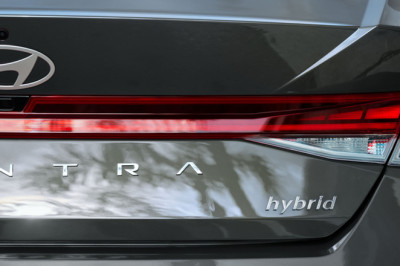
Toyota and Hyundai emerged as 2025's dominant forces. Toyota's third quarter sales jumped 16 percent year-over-year, driven by strong hybrid sales and renewed availability of three-row crossovers following 2024's lengthy stop-sale. Through nine months, Toyota and Ford battled for US market leadership, separated by just 24,000 sales out of over 3.1 million combined. Hyundai posted an all-time August record with sales up 12 percent, marking its 11th consecutive monthly gain. The Palisade surged 39 percent while the Elantra HEV and Ioniq 5 delivered record results.
General Motors capitalized on the EV tax credit expiration with record electric vehicle deliveries. Cadillac stood out with a 25 percent jump in Q3, marking its best quarter since 2013. GM's large SUV lineup thrived after recent redesigns. The Chevrolet Equinox saw a 99 percent sales bump, while the Traverse climbed 37 percent. Full-size models like the Tahoe and Suburban jumped 10 percent and 39 percent respectively.
Ford demonstrated strength in the SUV segment with the refreshed Expedition experiencing a 48 percent Q3 surge. The updated Explorer climbed 33 percent, and even the aging Bronco rose 41 percent. Korean sedans defied the SUV trend, with Kia's K5 up a staggering 133 percent after its refresh.
The Losers
Nissan's situation deteriorated from concerning to catastrophic. The 92-year-old automaker posted a $4.5 billion loss in 2024. A proposed merger with Honda that could have saved the company collapsed in February 2025 after Nissan refused Honda's demands for control. By May, Nissan announced 20,000 layoffs, 15 percent of its workforce. A senior official told The Financial Times they had "12 or 14 months to survive." Sales showed the strain. Nissan is set up for 8.5 percent US market share based on dealer footprint and manufacturing capability, yet actual market share hovers around 4.5 percent. Former CEO Carlos Ghosn predicted the company's problems "as early as 2020," calling out management for slow decision-making.
Tesla endured a rollercoaster year defined by Elon Musk's political activities. First quarter sales plunged 13 percent, the largest drop in company history, as backlash against Musk and his role in the Trump administration's Department of Government Efficiency sparked protests and boycotts. European sales fell 47 percent in January. A Morning Consult poll showed 32 percent of US buyers "would not consider" buying a Tesla, up from 17 percent in 2021.
The company recovered temporarily in Q3 when buyers rushed to take advantage of the $7,500 federal EV tax credit before its September 30 expiration. Tesla sold a record 497,099 vehicles globally that quarter. But the momentum proved artificial. Once the credit expired, US EV sales dropped 48.9 percent. By November, Tesla's US sales hit a four-year low. The company lost US market share from nearly 80 percent of the EV market to 46.2 percent as GM captured 13 percent and others gained ground.
BYD officially overtook Tesla as the world's largest EV maker. Through September, BYD sold 1.6 million EV passenger cars worldwide compared to Tesla's 1.2 million. Tesla's China sales dropped to a three-year low in October before recovering slightly in November with a 9.9 percent year-over-year increase following the new Model Y launch.
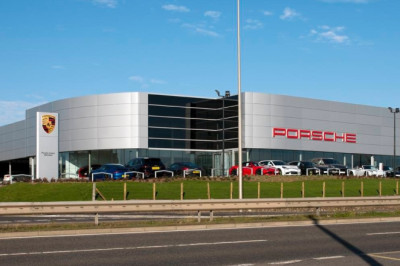
Porsche faced the sharpest luxury brand reversal. The German manufacturer grappled with deeper financial issues and lukewarm response to its electric models. Repeated forecast downgrades led to its removal from Germany's benchmark stock index by October. China sales fell 28 percent to 56,887 cars in 2024, then dropped another 26 percent through September 2025. A massive operating profit drop forced leadership changes, with Oliver Blume preparing to step back from his dual role overseeing both Porsche and Volkswagen as Dr. Michael Leiters took charge from January 1, 2026.
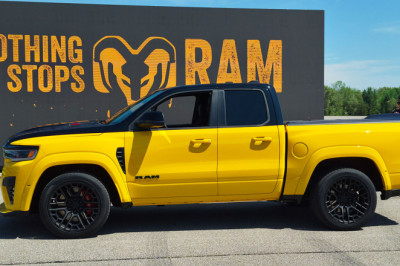
Stellantis brands struggled across the board. Jeep Wagoneer sales slid 59 percent in Q1 to 5,400 units, while Grand Wagoneer dropped 48 percent to 1,849 units. Chrysler limped along with just two models in its lineup. Ram and Jeep remained mainstays, but other Stellantis brands faced uncertain futures as sales contracted sharply over the decade.
Mitsubishi hung on by a thread. While 2025 sales increased slightly, this was driven by the Mirage, the most affordable new car in America. Then Mitsubishi cancelled the Mirage just as buyers desperately sought cheap new cars. With only 300 US dealers and falling far behind Japanese rivals, the brand's long-term American viability remained questionable.
Jaguar stopped production entirely. No new Jaguars were manufactured after November 2024 for the first time since 1948. The entire lineup was discontinued ahead of the brand's 2026 relaunch as a £100,000-plus electric luxury competitor. Then came the catastrophic rebrand in November with its controversial new logo and marketing campaign that featured no cars, leading to the firing of both the ad agency and chief creative officer Gerry McGovern within months. EU sales through September were down nearly 80 percent year-over-year.
Models That Dominated
The Toyota Palisade, Chevrolet Equinox, Ford Explorer, and Buick Enclave led the success stories. The Enclave entered a new generation and saw sales jump 60 percent in Q3. Korean sedans thrived despite the SUV takeover. Kia's K5 surged 133 percent after its refresh. Hyundai's Elantra rose 25 percent, and the Sonata climbed 20 percent. Nissan's Versa nearly doubled sales with a 156 percent Q1 increase, while the Sentra jumped 36 percent.
Models That Tanked
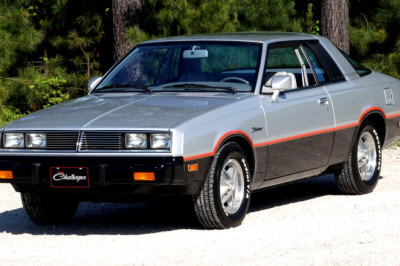
The Corvette cratered 34 percent in Q3 to 5,123 units as buyers awaited the incoming refresh. The Ford Mustang declined 32 percent despite no longer competing against the Camaro or Challenger. Dodge Charger Daytona struggled in its electric iteration. Audi's aging Q7 dropped 24 percent while the Q8 fell 22 percent. Buick's imported models suffered from Trump administration tariffs. The Encore GX from South Korea fell 38 percent, and the Chinese-built Envision slid 35 percent as 25 percent tariffs hit both markets.
Volkswagen's US car lineup dwindled to three models, all declining. The Jetta dropped 42 percent, the GTI fell 42 percent, and the Golf R slipped 5 percent. Jeep's full-size SUVs collapsed with Wagoneer down 59 percent and Grand Wagoneer falling 48 percent, both underselling the electric Wagoneer S.
The Failed Merger That Changed Everything
The Honda-Nissan merger collapse in February 2025 became a defining moment for the Japanese automotive industry. The $60 billion deal would have created the world's third-largest automaker with 8 million units annual production, trailing only Toyota and Volkswagen. Honda proposed making Nissan a subsidiary given its market value five times larger than Nissan's. Nissan insisted on equal partnership despite its weaker financial position. Honda executives found Nissan's decision-making too slow and viewed the announced 9,000 job cuts and 20 percent production capacity reduction as insufficient. The negotiations fell apart over corporate structure disagreements.
The collapse left Nissan in uncharted territory. With dwindling sales, dated technology, and limited resources, speculation mounted that Nissan might become the first major automaker to disappear under pressure from Chinese manufacturers and EV startups. Foxconn chairman Young Liu expressed interest in partnership discussions, though nothing materialized. Honda, freed from the merger burden, announced a share buyback program purchasing up to 24 percent of issued shares, signaling confidence in going it alone.
The EV Market Rollercoaster
The federal EV tax credit expiration on September 30 created the most dramatic market distortion of the year. Q3 became the biggest EV sales quarter ever, with 10.5 percent of all cars sold being electric. Over 438,000 EVs were purchased from July through September as buyers rushed to capture the $7,500 credit. The surge was artificial and unsustainable. Once the credit expired, October EV sales plummeted 48.9 percent. Dealers sold just 74,835 electric vehicles that month, exposing how dependent the market remained on government incentives.
The pattern repeated earlier in the year when Trump administration tariffs created similar artificial demand spikes as buyers tried to beat import price increases. Cox Automotive analyst Kelly Blue Book noted demand had been "artificially boosted for the last several months, first with shoppers trying to beat the Trump import taxes, and now by the expiring federal EV tax credit."
State-level incentives and dealer discounts helped maintain some momentum, but the underlying trend was clear. Without federal support, EV adoption slowed dramatically. BMW promised to maintain prices with or without the tax credit, continuing to lease cars as if the $7,500 offer remained active. Other manufacturers weren't so generous.
Chinese manufacturers continued dominating despite tariffs. BYD sold over 416,000 pure electric passenger vehicles in Q3, a 39 percent increase year-over-year, cementing its position as the world's largest EV seller. However, even BYD faced headwinds. In September, the company cut its 2025 sales target by 16 percent to 4.6 million vehicles, potentially its slowest annual growth rate in five years. Quarterly profits declined for the first time in three and a half years.
The European market showed resilience without major US-style incentive cliffs. EV market share reached 15 percent across Europe, considered remarkable progress in just five years according to industry association ACEA. But regional disparities remained significant, with Norway approaching 100 percent EV sales while other nations lagged far behind.
Tariff Chaos and Economic Uncertainty
Trump administration tariffs dominated industry planning throughout 2025. Korean imports faced 25 percent taxes as preliminary agreements to reduce rates to 15 percent stalled. Chinese-built cars received similar 25 percent tariffs. The impact showed immediately in sales data. Buick's Korean-built Encore GX dropped 38 percent while the Chinese-built Envision fell 35 percent.
Manufacturers scrambled to adapt. Some renegotiated pricing contracts with suppliers. Others explored domestic resourcing or considered moving entire production facilities to the US, though the time and labor intensity of such moves, taking years to execute properly, meant few committed without clearer economic outlook. Cox Automotive initially forecast 16.3 million new-vehicle sales for 2025 but questioned that figure by March as tariff uncertainty mounted.
Average transaction prices climbed despite tariff pressures. By September, the average reached $45,795 with monthly payments hitting $756 according to JD Power. Consumers felt the squeeze as auto insurance remained high, maintenance costs continued inflating, and tariff effects loomed. Higher prices and border disruptions threatened to lower volume and upend vehicle pricing established over previous years.
Bankruptcies and Financial Distress
Bankruptcy filings across the automotive sector rose 33.5 percent in 2024 and continued trending upward through 2025. Rising interest rates, inflation, and ongoing financial distress hit hardest. Notable failures included Northvolt, the Swedish battery manufacturer that filed for bankruptcy in November, and Fisker, which collapsed under the weight of unprofitable EV production amid dropping demand.
Auto parts suppliers struggled particularly. Accuride and others never fully recovered from COVID-19 supply chain disruptions. Manufacturers requiring higher inventory levels increased risk for smaller supply chain companies. German auto suppliers began bracing for a 30 percent increase in bankruptcies throughout 2025. From January to August, 36 German companies with revenues exceeding $21.6 million went under, many tied to combustion engine components with "little chance of survival" according to analysts.
Trump's proposed tariffs threatened to cost auto parts suppliers up to 17 percent of annual core profits. Jervois Global, a cobalt miner deemed critical to EV batteries and defense applications by the US government, filed for pre-packaged bankruptcy struggling with falling cobalt prices. The trend suggested structural shakeout that could undermine automaker stability for years.
What 2025 Taught Us
The year exposed fragility masked by recent prosperity. Companies with decades of success, like Nissan and Porsche, found themselves fighting for survival within quarters. Cyberattacks weren't theoretical risks but operational catastrophes costing billions and threatening hundreds of thousands of jobs. Government policy, from tax credits to tariffs, created artificial market conditions that distorted genuine consumer demand.
Ferrari emerged as the counterexample. The Italian automaker finished 2025 with industry-leading margins and an order book extending into 2027. Crucially, Ferrari maintained less than 10 percent exposure to China and took a cautious approach to electrification. While others rushed toward electric futures, Ferrari protected its core business and thrived.
Ultra-luxury brands generally benefited from sustained demand among high-net-worth buyers, insulated from mass-market pressures like price sensitivity, EV subsidy cuts, and low-cost manufacturer competition. The divide between ultra-luxury success and mainstream struggles became one of 2025's defining narratives.
The JLR cyberattack demonstrated how digital vulnerability now poses existential risk equal to financial mismanagement or product failures. The failed Honda-Nissan merger showed that legacy automakers couldn't simply combine their way out of structural problems. And Tesla's volatility proved that even industry leaders with technological advantages can see fortunes reverse rapidly when public perception shifts.
As 2025 closed, the automotive industry looked fundamentally different than at the start. Consolidation pressures intensified. Chinese manufacturers gained ground globally while Japanese and European brands struggled. Electric vehicle adoption slowed without government support. And every company, from the smallest supplier to the largest manufacturer, understood that survival required navigating geopolitical chaos, technology transitions, and cyber threats simultaneously. The ones who succeeded adapted fastest. The ones who failed clung to strategies that worked a decade ago. And somewhere in Stuttgart, engineers are still trying to figure out what happened to Porsche.