by Stephen Rivers
- A Connecticut judge rejected diversion for the rider in the case.
- Prosecutors say 88 posted clips showed speeds from 100 to 200 mph.
- His channel still shows risky public-road riding after the arrest.
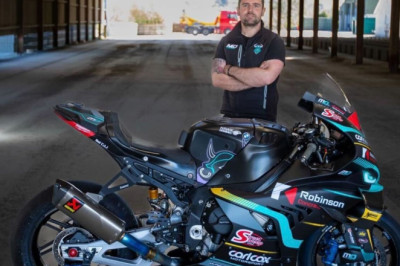
Just over a year ago, we told you about a motorcyclist busted by police for allegedly going 190 mph on the highway. Officers didn’t catch him in the act; they used the evidence he posted of his offenses on YouTube. We couldn’t confirm for sure that the individual was Brice Bennett of the S1KRocket channel. Now, we know it was him and that a judge just denied him a chance at a lenient penalty.
According to prosecutors, 22-year-old Bennett allegedly spent years filming and uploading videos of himself racing through Connecticut traffic at triple-digit speeds. Authorities claim some clips showed the bike traveling beyond 180 mph and even touching 200 mph on public roads.
Read: Police Troll Biker Who Filmed His Own 130 MPH Chase
The case became part of NBC Connecticut’s “Reckless On Our Roads” investigation after state police reportedly tracked Bennett through dozens of videos posted online. Prosecutors told the court he uploaded 88 separate clips showing dangerous riding behavior and monetized at least some of the content through YouTube.
“That bike was being operated at speeds from 100 to 200 miles an hour in any given video,” assistant state’s attorney Owen Kivela said during proceedings.
Bennett’s attorney argued that the arrest fundamentally changed his behavior. Since being charged, he reportedly completed driver education courses, attended therapy, and moved to Tennessee. He also apologized directly to the court, calling his actions “incredibly stupid.”
Of course, he continues to run the channel where he often features, some might even say glorifies, what appears to be reckless riding on public roads around everyday traffic.
Superior Court Judge Paul Doyle ultimately ruled that accelerated rehabilitation, Connecticut’s diversionary program for first-time offenders, was not appropriate because of the sheer scale and repetition of the alleged conduct. “The court just finds the AR program… it cannot satisfy the terms of the AR program because of the quantity, the risk,” Doyle said.
For now, Bennett is awaiting another meeting with the judge to discuss a plea agreement. His latest videos feature a speedometer that has stickers on it, which makes it impossible to see. Covering the speedometer may make the exact number harder to read at a glance, but it doesn’t necessarily make the riding impossible to analyze.
Internet investigators and law enforcement agencies have increasingly used roadside landmarks, lane markings, sign spacing, and timing calculations to estimate vehicle speeds from video footage. Whether he realizes it or not, Bennett might be posting additional evidence against himself with every upload.